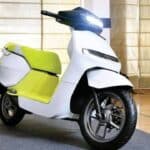
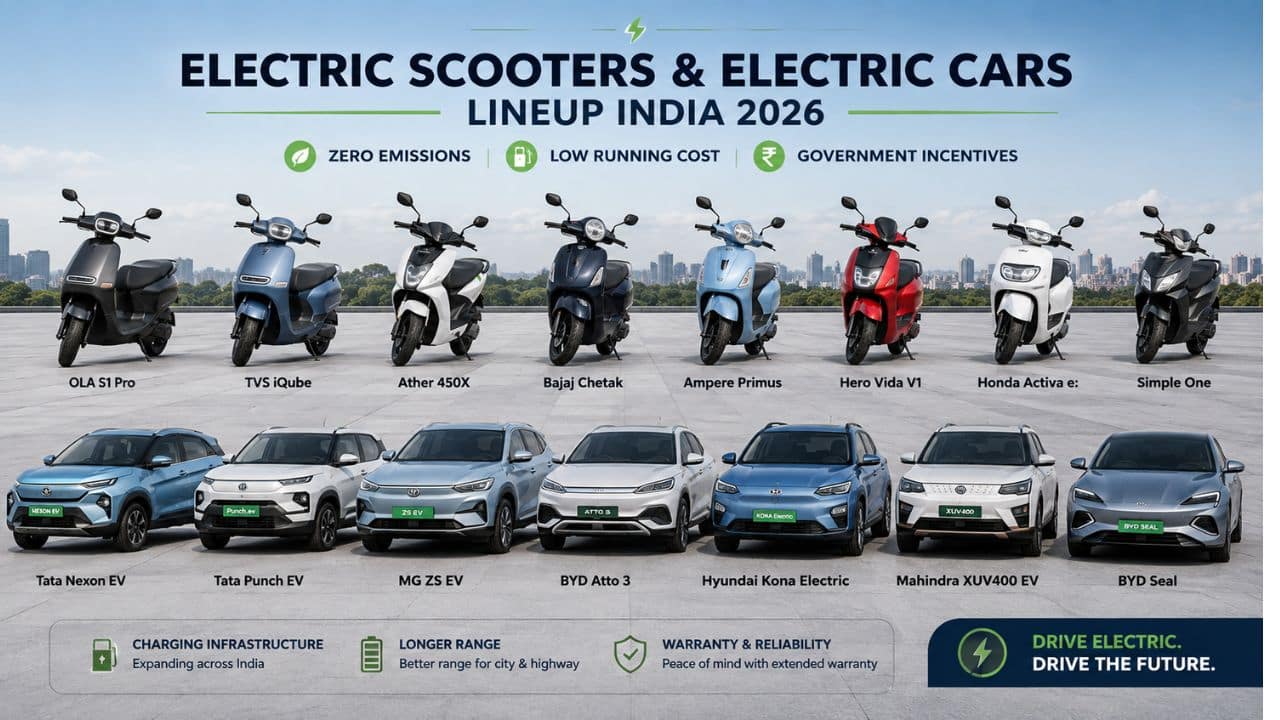

There’s no single best EV in India, there’s a best one for your specific budget, commute, and what you actually need it to do. This guide sorts through the electric scooter and electric car market by price bracket and use case, with real ex-showroom figures and the honest trade-offs each option comes with, rather than a generic ranked list that treats every buyer the same.
A note before you read further: every price below is an approximate ex-showroom figure current at the time of writing. Prices move often, variants get added and dropped, and Battery-as-a-Service (BaaS) plans, where you pay less upfront and a per-kilometre battery fee instead, can shift the real number significantly. Confirm the current on-road price for your city and variant directly with the dealer before budgeting.
Electric Scooters: Under ₹1 Lakh
If your commute is short, daily, and mostly within the city, this is where the value case for going electric is strongest right now.
The TVS Orbiter is currently the most affordable electric scooter on sale, starting at ₹49,999 ex-showroom, positioned squarely as a practical urban commuter rather than a feature-heavy flagship. TVS has also quietly become the country’s best-selling e-scooter brand in 2026, and its legacy service network is arguably the strongest reason to trust the badge, even on the entry-level model.
🚀 Join Our Tech Community!
Get the latest news, updates, and tech trends delivered straight to your phone. Never miss an update!
The Ola S1 X sits as Ola’s affordable entry point, part of a range that spans roughly ₹85,000 to ₹1.75 lakh depending on variant and battery size. Ola has genuinely strong on-paper numbers, but it’s fair to flag that the brand has drawn frequent owner complaints about after-sales service, and has lost its sales lead to TVS and Bajaj as a result. Worth cross-checking service reach in your specific city before deciding on price alone.
Bajaj’s metal-bodied Chetak now starts from around ₹99,900 for its entry 3001 variant, with Bajaj’s traditional build quality being the main draw at this price point, and the brand has climbed to the number two sales spot in the segment.
Electric Scooters: ₹1 Lakh to ₹1.5 Lakh
This is where most of the genuinely well-rounded, family-friendly options sit.
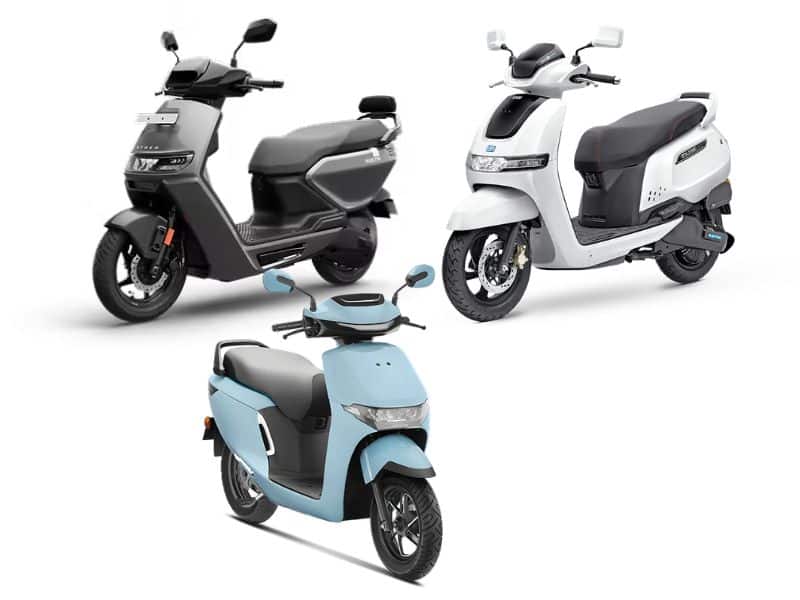
The Ather Rizta, priced around ₹1.21 lakh, is built specifically around family use: a spacious seat, large under-seat storage, and Ather’s connected software, which most reviewers still point to as the sharpest in the segment. It’s the pick if pillion comfort and daily practicality matter more to you than outright performance.
The TVS iQube, priced roughly between ₹1.01 lakh and ₹1.23 lakh depending on battery option, trades outright range records for dependable, unfussy everyday use, backed by that same wide TVS service network. Real-world range here is practical rather than headline-grabbing, but everyday reliability is consistently rated among the best in the segment.
The Honda Activa e, priced around ₹1.18 lakh, brings something the others can’t quite match: the Activa name itself, plus swappable battery technology, which sidesteps the wait-for-a-charge problem entirely in cities where Honda’s swap network is active.
Electric Scooters: Above ₹1.5 Lakh (Performance and Range Flagships)
If you want the longest range or the quickest acceleration the segment currently offers, this is the bracket to shop in.
The Ola S1 Pro claims up to 242 km on a single charge on paper, though real-world range in mixed city traffic typically comes in around 150-180 km depending on riding mode, a gap worth planning around rather than being surprised by. It remains one of the strongest value propositions at the top end despite the service concerns mentioned above.
The Ather 450X, starting around ₹1,54,546, and the range-topping Ather 450 Apex, from roughly ₹1.90 lakh, are what most riders point to when asked what a genuinely well-built performance electric scooter feels like. The Apex is Ather’s software and performance flagship, aimed squarely at riders who want spirited acceleration over maximum range.
General rule across every electric scooter price bracket: discount the claimed ARAI range by roughly 25 to 40 percent to get a realistic city-riding figure, and weigh service network presence in your specific city as heavily as the spec sheet, since a scooter with a slightly shorter range but a dealer five minutes away beats one with class-leading numbers and no nearby service support.
Electric Cars: Under ₹10 Lakh
The budget end of the electric car market has genuinely opened up in the last year, partly thanks to BaaS pricing models that separate the battery cost from the car’s upfront price.
The Tata Tiago EV remains the benchmark budget electric car, starting from roughly ₹6.99 lakh, and continues to be positioned as the practical first electric car for urban families: compact, easy to live with, and cheap to run day to day.
The Tata Punch EV, starting around ₹8.09 lakh in its standard form, drops considerably lower under a BaaS plan, with some listings showing an entry price around ₹6.49 lakh when the battery is financed separately through a per-kilometre usage fee. It currently holds the top safety rating in the micro-SUV segment, with all six variants earning a full five-star Bharat NCAP score.
The Citroen eC3 X, priced from around ₹9.45 lakh, is worth a specific mention for buyers dealing with genuinely poor road conditions: its suspension tuning is consistently rated among the most comfortable in the segment over potholes and broken patches, ahead of most rivals at this price.
Electric Cars: ₹10 Lakh to ₹15 Lakh
The most competitive bracket in the market right now, and where most first-time EV car buyers will end up shopping.
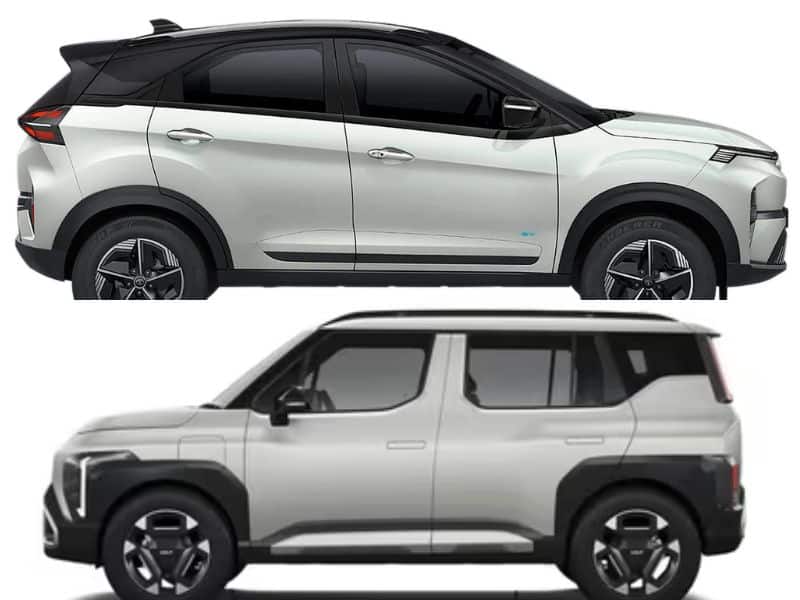
The Kia Syros EV, from around ₹10.76 lakh, is a newer entrant going directly after the Tata Nexon EV in this bracket, and the two are frequently cross-shopped against each other.
The Tata Nexon EV, starting from roughly ₹12.49 lakh, remains the sales leader in this segment by a wide margin. The recently updated Nexon EV 45 adds ADAS features and now starts from ₹17.29 lakh for that specific variant, so double-check exactly which trim you’re comparing against a rival’s price, since “Nexon EV” now spans a considerably wider price band than it used to.
The MG Windsor EV, under its BaaS plan, can be driven off the lot from around ₹9.99 lakh by subscribing to a per-kilometre battery fee rather than buying the battery outright, backed by a 15-year unlimited-kilometre warranty for the first owner. Run the actual numbers before assuming this is automatically cheaper: adding the battery subscription fee to your home charging cost brings the effective running cost close to ₹5 per kilometre in some estimates, worth comparing directly against outright ownership for your specific usage pattern rather than assuming the lower sticker price tells the whole story.
Electric Cars: ₹15 Lakh to ₹20 Lakh
This bracket is where battery size and real-world range genuinely step up a class.
The Maruti Suzuki e Vitara, from around ₹15.99 lakh, brings Maruti’s dealer and service network scale to the electric SUV segment for the first time, a meaningful advantage for buyers outside major metros who’ve historically avoided EVs over service anxiety.
The Tata Curvv EV and MG Windsor EV Pro both push battery capacity above 45 kWh in this bracket, with real-world range figures crossing 350 km on the Pro variant, alongside the safety and feature density that make them genuinely capable as a primary family vehicle rather than a second car.
The Tata Sierra EV, from around ₹18.79 lakh, brings Tata’s most premium EV styling and positioning to this bracket, aimed at buyers who want the badge and design language to feel distinctly upmarket rather than a rebadged mainstream model.
Electric Cars: ₹20 Lakh and Above
At this level, buyers are choosing between genuinely engaging performance and outright cabin space and comfort, not just picking whichever EV happens to fit the budget.
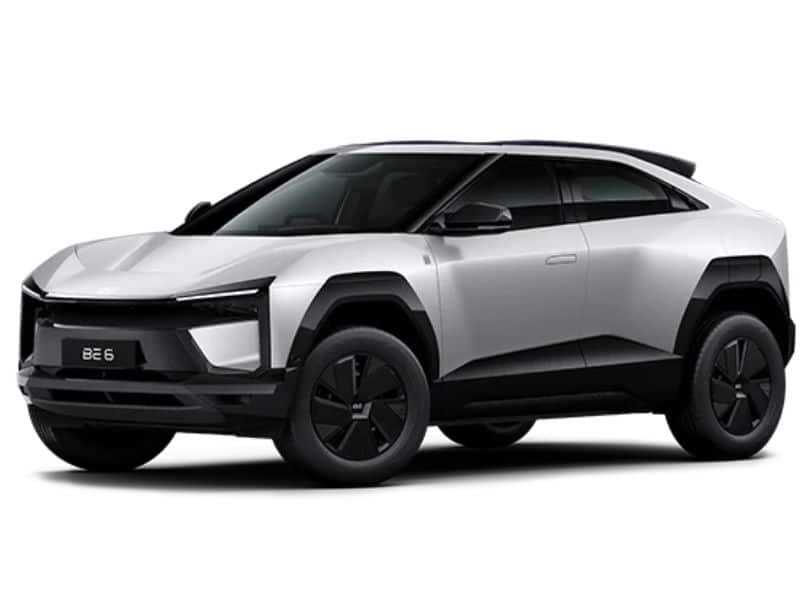
The Mahindra BE 6, starting from ₹18.90 lakh, is built on Mahindra’s dedicated INGLO platform, with a flat floor, low centre of gravity, and rear-wheel-drive dynamics that feel genuinely engaging rather than just adequate. The larger 79 kWh battery option is claimed at roughly 500 km real-world range by Mahindra, though independent testing has shown a combined figure closer to 449 km, still among the highest in the Indian market under ₹30 lakh. It also supports up to 175 kW DC fast charging, enough for a 10-80 percent top-up in around 20 minutes where a charger of that speed is actually available.
The Mahindra XEV 9e, from around ₹21.90 lakh, shares the same INGLO underpinnings in a larger SUV body, aimed at buyers who want the BE 6’s driving character with more cabin and boot space for family use.
Quick Comparison: Popular Picks by Budget
| Budget | Scooter Pick | Car Pick |
|---|---|---|
| Under ₹1 lakh | TVS Orbiter (~₹49,999) | Not applicable |
| ₹1-1.5 lakh (scooter) / Under ₹10 lakh (car) | Ather Rizta (~₹1.21 lakh) | Tata Tiago EV (from ~₹6.99 lakh) |
| Above ₹1.5 lakh (scooter) / ₹10-15 lakh (car) | Ather 450X (~₹1.55 lakh) | Tata Nexon EV (from ~₹12.49 lakh) |
| ₹15-20 lakh (car) | — | Maruti e Vitara (from ~₹15.99 lakh) |
| ₹20 lakh+ (car) | — | Mahindra BE 6 (from ~₹18.90 lakh) |
Who Should Buy What
If you’re a daily urban commuter with a short, predictable ride and a tight budget, the TVS Orbiter or Tata Tiago EV cover the job without overspending on range you’ll never use.
If you’re commuting two-up with a pillion regularly, or need genuine storage for daily errands, the Ather Rizta on two wheels or the Tata Punch EV on four are built specifically around that use case rather than treating it as an afterthought.
If service network anxiety is your biggest hesitation about going electric, lean toward the brands with the deepest legacy dealer networks in your city specifically, TVS and Bajaj among scooters, Tata and Maruti among cars, rather than the newest, flashiest spec sheet.
If you want the most engaging drive on four wheels and your budget stretches past ₹18 lakh, the Mahindra BE 6 is currently the one most reviewers point to for genuinely feeling like a driver’s car rather than just an efficient appliance.
Whatever you shortlist, verify the current on-road price, the specific variant’s real-world range from recent owner reports rather than the ARAI figure alone, and the nearest authorised service centre to your home before signing anything. The list above is a starting point for your research, not a substitute for it.
Frequently Asked Questions
What is the cheapest electric vehicle you can buy in India?
Among electric scooters, the TVS Orbiter starts at roughly ₹49,999 ex-showroom. Among electric cars, ultra-compact models like the Vayve Mobility Eva start close to ₹4 lakh, though mainstream electric cars from established brands generally start closer to ₹7 lakh with the Tata Tiago EV.
Which electric scooter has the best real-world range in India?
The Ola S1 Pro claims up to 242 km on paper, though real-world range in mixed city traffic typically lands around 150-180 km. Always discount a claimed ARAI figure by roughly 25 to 40 percent for a realistic city-riding estimate.
Is Battery-as-a-Service (BaaS) actually cheaper for an electric car?
It lowers the upfront price by removing the battery cost, but you then pay a recurring per-kilometre battery fee on top of your charging cost. Run the total cost for your actual monthly distance before assuming BaaS is cheaper than buying the battery outright, since heavy users can end up paying more over time.
Which electric car brand has the best service network in India?
Among mainstream electric cars, Tata and Maruti Suzuki currently have the widest dealer and service network reach, which matters especially for buyers outside major metro cities where EV-qualified technicians are less common.