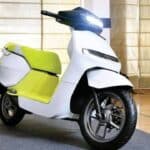
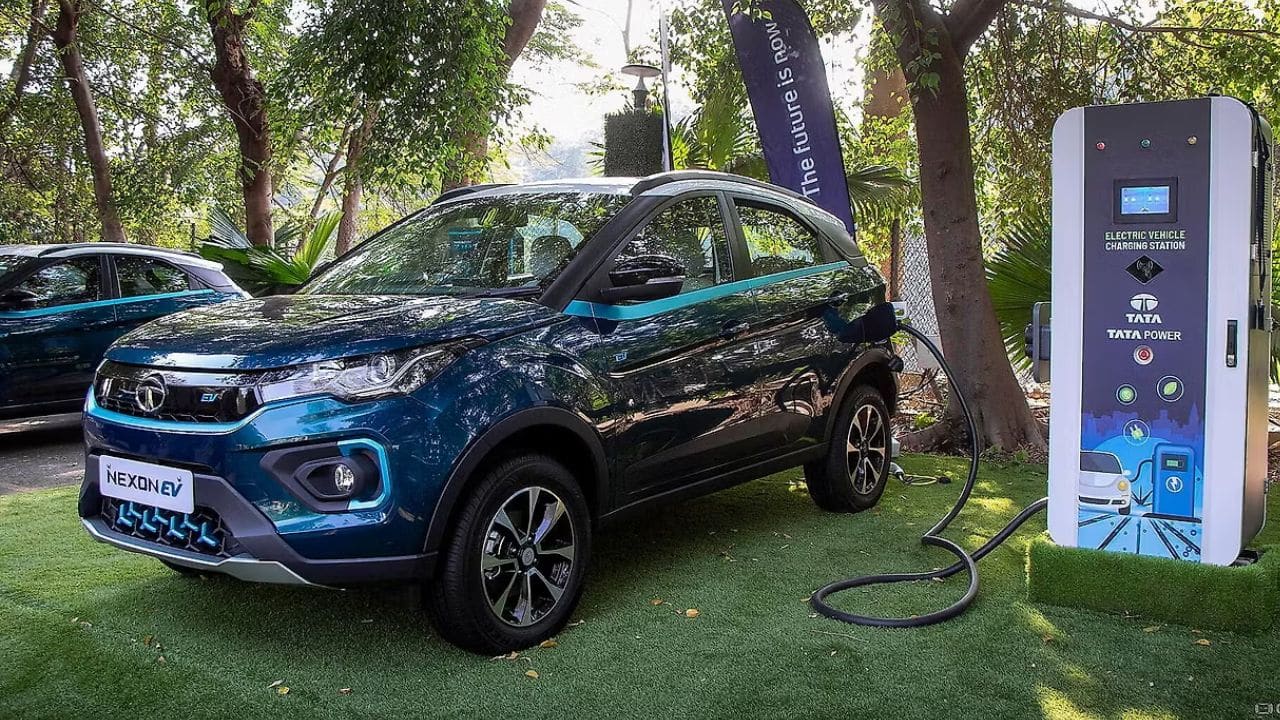

An electric vehicle runs on one or more electric motors powered by a rechargeable battery pack instead of a petrol or diesel engine. There’s no combustion, no exhaust, and none of the multi-speed gearing a conventional car needs. For Indian buyers, that translates into lower running costs, near-silent operation, and instant torque off the line, along with a few genuine trade-offs around range and charging infrastructure that are worth understanding clearly before you commit.
This built to be the only page you need on the subject. It covers how EVs actually work, every fuel and body type in the Indian market, what range and charging really look like in Indian traffic and climate, what an EV costs to own over time, government incentives, safety, maintenance, resale, and a practical buying checklist for both two-wheelers and cars.
What Is an Electric Vehicle?
An EV is a vehicle propelled entirely by one or more electric motors that draw energy from a rechargeable battery pack, rather than burning fuel inside an engine. It produces zero tailpipe emissions and runs with significantly fewer moving parts than a petrol, diesel, or CNG vehicle. In everyday Indian usage, EV almost always refers to a battery electric vehicle (BEV), though the broader EV family technically also includes hybrids and hydrogen fuel cell vehicles, covered separately below.
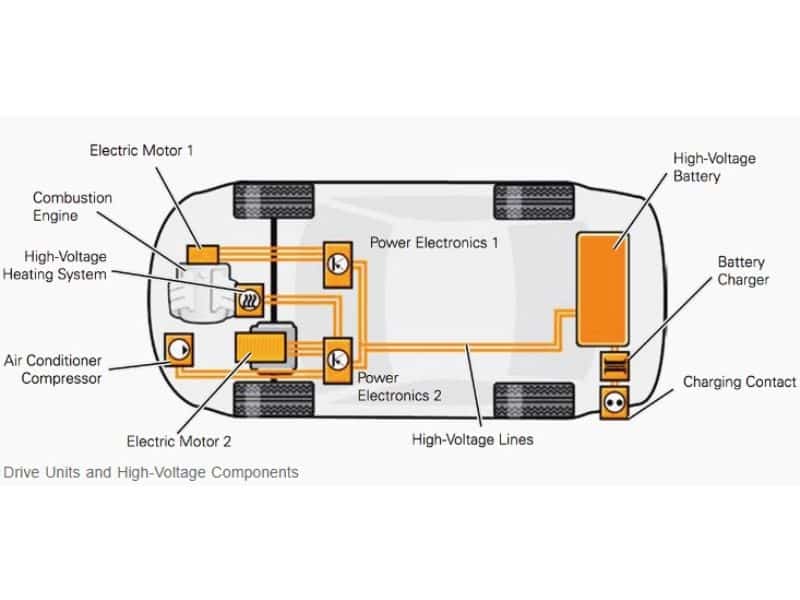
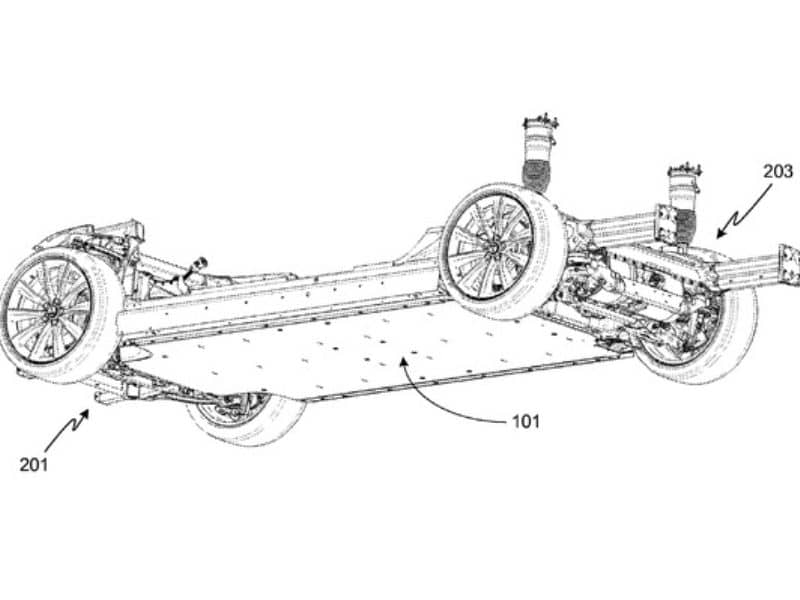
The core architecture is straightforward: a battery pack stores energy, an electric motor turns that energy into motion, a power electronics unit (inverter and controller) manages how power flows, and a charging system replenishes the battery from an external source. That’s the entire drivetrain. There’s no fuel tank, no exhaust system, and no multi-speed transmission doing the work a petrol car needs.
🚀 Join Our Tech Community!
Get the latest news, updates, and tech trends delivered straight to your phone. Never miss an update!
How Does an Electric Vehicle Work?
The Battery Pack
The battery pack is the energy storage unit of an EV, built from many individual cells grouped into modules. It stores energy chemically and discharges it as direct current (DC) electricity to power the motor. Capacity is measured in kilowatt-hours (kWh), and it’s the single biggest factor determining range: a larger pack generally means more distance per charge, but also more weight and a higher price, since the battery is typically the most expensive component in the entire vehicle.
Every pack runs a Battery Management System (BMS) in the background, continuously monitoring cell temperature, voltage, and overall health. The BMS is what keeps individual cells balanced and prevents overheating or overcharging, even under repeated fast charging or a hot Indian afternoon.
The Electric Motor
The electric motor converts stored electrical energy into the mechanical motion that turns the wheels. Structurally, it’s far simpler than a petrol engine, with no pistons, valves, or multi-speed gearbox to manage. Its defining trait is instant torque delivery: a petrol engine needs to build revs before it makes meaningful power, while an electric motor delivers close to its maximum torque from a dead stop. That’s why even an EV with modest power figures on paper tends to feel genuinely quick pulling away from a signal, a trait Indian city drivers notice almost immediately.
Inverter and Controller
The inverter converts the DC electricity stored in the battery into the alternating current (AC) most electric motors run on, and reverses that conversion during regenerative braking. The controller decides how much power reaches the motor based on how far the accelerator is pressed, working with the inverter to turn a smooth pedal input into smooth, responsive acceleration rather than an abrupt surge.
Regenerative Braking
When you lift off the accelerator or brake, the motor can run in reverse and act as a generator, feeding a portion of the vehicle’s kinetic energy back into the battery instead of letting it dissipate as heat in the brake discs. This does two things at once: it recovers energy that would otherwise be wasted, and it reduces wear on the conventional friction brakes, since the motor shares in the deceleration work.
Types of Electric Vehicles Sold in India
Battery Electric Vehicles (BEVs)
A BEV is powered entirely by an electric motor and battery, with no internal combustion engine anywhere in the vehicle, and it must be plugged in externally to recharge. This is what almost every “electric car” or “electric scooter” on sale in India actually is, and it’s the focus of the rest of this guide.
Hybrid, Mild Hybrid, Strong Hybrid, and Plug-in Hybrid
These are not EVs in the strict sense, but they’re closely related and worth distinguishing clearly, since the terms get conflated often.
A mild hybrid uses a small motor and battery to assist the engine (start-stop, brief torque assistance, energy recovery under braking) but cannot drive on electric power alone. A strong hybrid has a larger motor and battery that can power the vehicle on electric power alone for short distances at low speed, without ever needing to be plugged in; the battery charges only through the engine and regenerative braking. A plug-in hybrid (PHEV) goes a step further, with a battery large enough to be charged externally and to cover a meaningful daily distance on electric power alone, while still carrying a full combustion engine for longer trips.
None of these three can be charged from a wall socket the way a strong hybrid works, except the plug-in hybrid. If a vehicle you’re considering is described as a “hybrid” without the word “plug-in,” assume it cannot be externally charged.
Hydrogen Fuel Cell Vehicles
Hydrogen fuel cell vehicles generate electricity onboard by combining hydrogen with oxygen in a fuel cell, then use that electricity to power an electric motor, similar in principle to a BEV but refuelled with hydrogen rather than charged from the grid. In India, this technology currently exists only at a pilot and demonstration stage, without meaningful retail availability or fuelling infrastructure. It isn’t a realistic purchase option for most readers today, though it’s worth knowing the term when it appears in policy or manufacturer announcements.
Electric Two-Wheelers
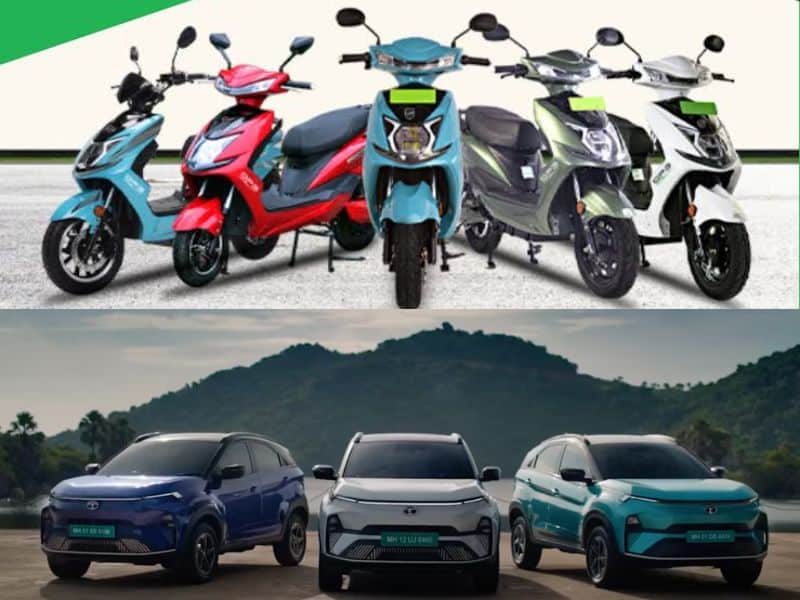
Electric scooters, and a smaller but growing number of electric motorcycles, follow the same core principles as electric cars, scaled down. They typically use a simpler, single-speed drivetrain, often carry app-based connected features given how recently most models were designed, and are currently the fastest-growing EV category in the Indian market by volume, driven mainly by daily urban commuters.
Electric Cars
Electric passenger vehicles span hatchbacks, sedans, and SUVs, with compact and mid-size electric SUVs seeing the highest volume of new launches in recent years. Buyer priorities here lean toward real-world range, boot space, rear-seat comfort, and features-per-lakh, largely mirroring what Indian car buyers already weigh for petrol and diesel vehicles, with range and charging access added on top.
EV Range: ARAI Figures vs Real-World Range
Every EV sold in India carries an ARAI-certified range figure, tested under controlled, standardised conditions. In everyday use, most owners report a noticeably lower number, and the gap matters more here than in many other markets because of how Indian roads and traffic actually behave.
A few factors consistently bring real-world range below the certified figure:
- Stop-start city traffic, where the vehicle is frequently accelerating from a standstill rather than cruising at a steady speed
- Running the air conditioner, which draws directly from the battery and has a bigger proportional impact on a smaller pack
- Carrying extra passengers or a loaded boot, adding weight the motor has to work against
- Sustained high-speed highway driving, which is less efficient than the mixed-speed cycle used for certification
- Hot ambient temperatures, which affect battery chemistry and add cooling load, particularly relevant across most of India for a large part of the year
- Cold mornings in northern India during winter, where battery performance temporarily dips until the pack warms up
None of this makes ARAI figures useless. They remain a fair, consistent way to compare one EV against another, since every model is tested under the same protocol. Treat the certified number as a ceiling rather than a promise, and build in a real-world buffer, especially for a hot afternoon commute with the AC running and the car in stop-start traffic. Where genuine owner-reported real-world range data exists for a specific model, it’s worth weighing alongside the ARAI figure rather than instead of it.
Charging an EV in India
AC (Slow) Charging vs DC (Fast) Charging
| Charging Type | Typical Use Case | Speed | Where You’ll Find It |
|---|---|---|---|
| AC (Slow) Charging | Overnight home charging, long workplace parking | Slowest, gentlest on the battery | Home wall units, office/mall AC points |
| DC Fast Charging | Topping up during a highway stop or short break | Much faster, higher power delivery | Public charging stations, highway hubs |
Slow AC charging is what most EV owners in India rely on day to day. It’s cheaper per unit of energy, gentler on long-term battery health, and fits naturally into the overnight parking window most people already have. DC fast charging exists for situations where speed matters more than battery-friendliness, a highway trip or an unplanned low-battery situation, and it’s typically found at dedicated public stations rather than at home, since it needs significantly more power infrastructure than a domestic connection usually provides.
Home Charging
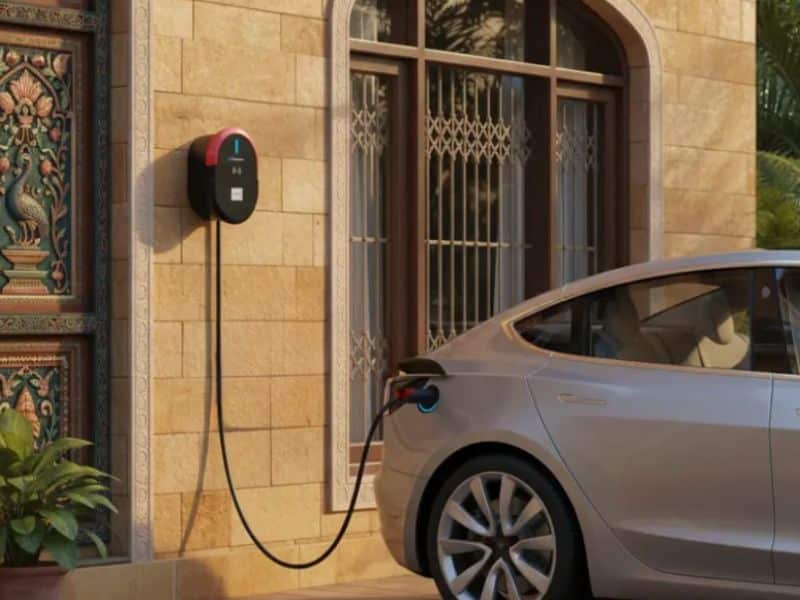
Home charging uses either a standard power outlet or a dedicated wall-mounted charging unit installed at your residence. It’s almost always the slowest option, but also the most convenient and usually the cheapest per unit of energy, which is why it tends to be the backbone of daily EV ownership for anyone with access to a private parking spot.
Public Charging
Public charging stations, at malls, office complexes, and dedicated charging hubs, may offer AC, DC, or both. These matter most for EV owners without home charging access, and for anyone covering distances beyond a single charge on a road trip. Coverage has been expanding steadily in Indian metros, though density and reliability outside major cities and along highway corridors still lag behind petrol pump availability. It’s worth checking realistic coverage along your actual regular routes before assuming a charger will always be available nearby when you need one.
Charging Connectors
Charging connectors are the physical plug standards linking a vehicle to a charging point. Different standards exist for AC and DC charging, and not every manufacturer or charging network uses the same one. Before buying, confirm which connector type your shortlisted EV uses and check that it’s actually supported by the public charging network you’re most likely to use, rather than discovering a mismatch after the purchase.
Charging Speed in Practice
Higher-rated charging power generally means faster charging, but real-world speed also depends on the vehicle’s own onboard charging hardware, and on the battery’s temperature and current charge level, since charging speed typically tapers as a pack gets closer to full. This is normal lithium-ion battery behaviour, not a fault, and it’s the same reason a phone charges faster from 20 to 80 percent than from 80 to 100.
What Does an EV Actually Cost to Own in India?
EV ownership cost breaks down differently from a petrol or diesel vehicle, and it’s worth looking at each piece separately rather than comparing sticker prices alone.
Upfront price tends to be higher than an equivalent ICE vehicle, mainly because of battery cost, though the gap has been narrowing as battery prices have come down over time.
Running cost per kilometre is where EVs pull ahead. Electricity is generally far cheaper per kilometre than petrol or diesel, and the exact saving depends on your local electricity tariff and how much of your charging happens on cheaper home power versus paid public fast charging.
Maintenance cost is typically lower thanks to fewer moving parts. No engine oil changes, no clutch, and reduced brake wear thanks to regenerative braking, though you’ll still need periodic checks on tyres, brakes, cabin filters, and coolant for the battery and motor cooling system.
Insurance for EVs can carry different premium structures than ICE vehicles, partly reflecting the higher cost of the battery pack, so it’s worth comparing quotes specifically rather than assuming parity with an equivalent petrol model.
Battery warranty matters more here than almost any other spec on the sheet. Manufacturers typically cover the battery separately from the rest of the vehicle, often for longer, and the warranty usually guarantees a minimum capacity retention (for example, a stated percentage of original capacity) by the end of the warranty term, not just a straightforward replacement window. Read this document specifically rather than assuming it mirrors the standard vehicle warranty, since terms vary meaningfully between manufacturers.
Because ex-showroom price, on-road price, running cost, and applicable incentives all move independently and change over time, this guide won’t quote specific figures. [INSERT ON-ROAD PRICE] and [INSERT REAL-WORLD RANGE] should be checked directly against the manufacturer’s current listing for your city before you budget, since both are genuinely time-sensitive and vary by state.
Government Incentives and EV Policy in India
India has supported EV adoption through central schemes as well as individual state EV policies, which can include purchase subsidies, road tax exemptions, and registration fee waivers. These schemes are revised periodically, vary significantly by state, and sometimes change eligibility criteria without much notice. Rather than treating any specific subsidy amount as fixed, confirm the current scheme details for your state directly through the relevant transport department or dealership before finalising your budget. A state that offers a meaningful road tax exemption today may revise or phase out that benefit with little warning, so this is one area where it genuinely pays to verify at the point of purchase rather than relying on what you read some months ago.
EV Safety in India
Safety fundamentals for an EV are broadly the same as for any modern vehicle: crash structure, airbags, ABS, and, where fitted, ESC and ADAS features all matter exactly as much as they do in a petrol or diesel car, and independent crash test ratings from Bharat NCAP or Global NCAP remain the right way to evaluate this, rather than assuming an EV is inherently safer or riskier by virtue of its powertrain.
EVs do carry a few powertrain-specific considerations worth knowing. The high-voltage battery and drive components are engineered with dedicated protection and isolation systems, and manufacturers typically design the battery enclosure to withstand normal driving stresses, including monsoon water exposure, within the vehicle’s rated limits. That said, any EV involved in flooding beyond its rated wading depth, or in a significant collision, should be inspected by a qualified EV technician before continued use, since damage to high-voltage components isn’t always visible from the outside. It’s also worth using only manufacturer-approved charging equipment and avoiding improvised or unauthorised charging setups, since the charging system is one of the few points where a genuine electrical safety risk exists if handled incorrectly.
EV Maintenance: What Actually Changes
EVs generally need less routine maintenance than petrol or diesel vehicles because they lack many of the components a combustion engine depends on: no engine oil, no spark plugs, no exhaust system, and in most cases no multi-speed transmission. Typical EV maintenance instead covers tyres, brakes (though wear is often reduced thanks to regenerative braking), cabin filters, coolant for the battery and motor cooling system, and periodic software updates pushed by the manufacturer.
What does need attention is anything related to the high-voltage battery or drive components, and that work should go to a manufacturer-authorised or otherwise qualified EV service centre rather than a general mechanic, since specialised diagnostic equipment and training are involved. This is also where service network reach becomes a genuinely practical consideration for buyers outside major metros, covered again in the buying checklist below.
EV Resale Value in India
Resale value for EVs in India is still a maturing market compared to the well-established resale ecosystem for petrol and diesel vehicles. A few factors specific to EVs affect resale more than they would for an ICE vehicle: battery health and remaining warranty coverage at the time of resale, how quickly battery and charging technology has moved on since the vehicle’s original purchase, and brand-specific trust in the used-EV segment, which varies considerably. If resale value matters to your decision, it’s worth researching how a specific model has actually held its value in the used market, rather than assuming EVs behave like their petrol equivalents.
What to Check Before Buying an EV
A few practical checks matter more for an EV than they do for a petrol, diesel, or CNG vehicle:
- Real-world range for your actual commute, not just the ARAI figure, with margin built in for AC use and traffic
- Home or workplace charging access, since this decides how convenient daily ownership actually is
- Battery warranty terms, including the guaranteed capacity retention period, read in full rather than assumed
- Service network reach, particularly if you live outside a major metro, since EV-qualified technicians and parts availability still lag behind ICE service networks in smaller towns
- Charging connector compatibility with the public charging network you’re most likely to use
- Insurance premium comparison, since EV insurance costs can differ from an equivalent ICE model
- Resale value trends for the specific model, since the EV resale market in India is still developing and varies a lot by brand
EV vs Petrol vs Hybrid: Which Should You Buy?
If you have predictable daily distances well within a realistic range estimate, reliable access to home or workplace charging, and mostly city or short-highway use, a BEV makes strong financial and practical sense, and running costs will likely be the lowest of the three options over your ownership period.
If you regularly do long, unplanned highway trips, live somewhere with limited charging infrastructure, or don’t have consistent charging access, a petrol or diesel vehicle, or a strong hybrid if you want better efficiency without any charging dependency, is the safer choice for now.
A plug-in hybrid sits in between and suits someone who mostly drives short distances they can cover on battery power alone but occasionally needs long-range flexibility without hunting for a charger.
Is an EV worth buying in India right now?
For buyers with predictable short-to-medium daily distances and access to home or workplace charging, yes, mainly due to lower running and maintenance costs. For buyers who do frequent long highway trips without reliable charging access along the route, a petrol, diesel, or hybrid vehicle is currently the more practical choice.
Does EV range drop a lot in Indian traffic?
Real-world range in heavy city traffic with the AC running typically comes in lower than the ARAI-certified figure, mainly due to stop-start driving and cabin cooling load. Budget for a meaningful buffer below the certified number rather than planning trips right up to it.
Can I charge an EV at home in India?
Yes, using either a standard power socket or a dedicated wall-mounted home charger, which is the slowest but most convenient and cost-effective way to charge for most daily driving.
How long does an EV battery last?
Battery life depends on the manufacturer’s warranty terms and how the vehicle is charged and used, but manufacturers generally design batteries to retain a substantial share of their capacity through the warranty period. Avoiding frequent 100 percent charges and extreme temperature exposure where possible helps slow degradation.
Is EV maintenance really cheaper than a petrol car?
Generally yes, since EVs lack an engine, exhaust system, and (in most cases) a multi-speed transmission, all of which are common sources of routine maintenance in a petrol car. Tyres, brakes, cabin filters, and battery cooling still need regular attention, and any battery or drive-unit work should go to a qualified EV technician.
Are EVs safe in monsoon flooding?
EV battery enclosures are engineered to handle normal driving conditions, including monsoon water exposure, within the vehicle’s rated wading depth. Beyond that rated limit, or after any significant water exposure, the vehicle should be inspected by a qualified EV technician before continued use, since high-voltage component damage isn’t always visible from outside.
Do EVs hold their resale value as well as petrol cars in India?
The used-EV resale market in India is still developing and behaves somewhat differently from the established petrol and diesel resale market, with battery health and remaining warranty coverage playing a bigger role. Resale performance varies significantly by brand and model, so it’s worth researching a specific vehicle’s track record rather than assuming EVs resell the same way ICE vehicles do.