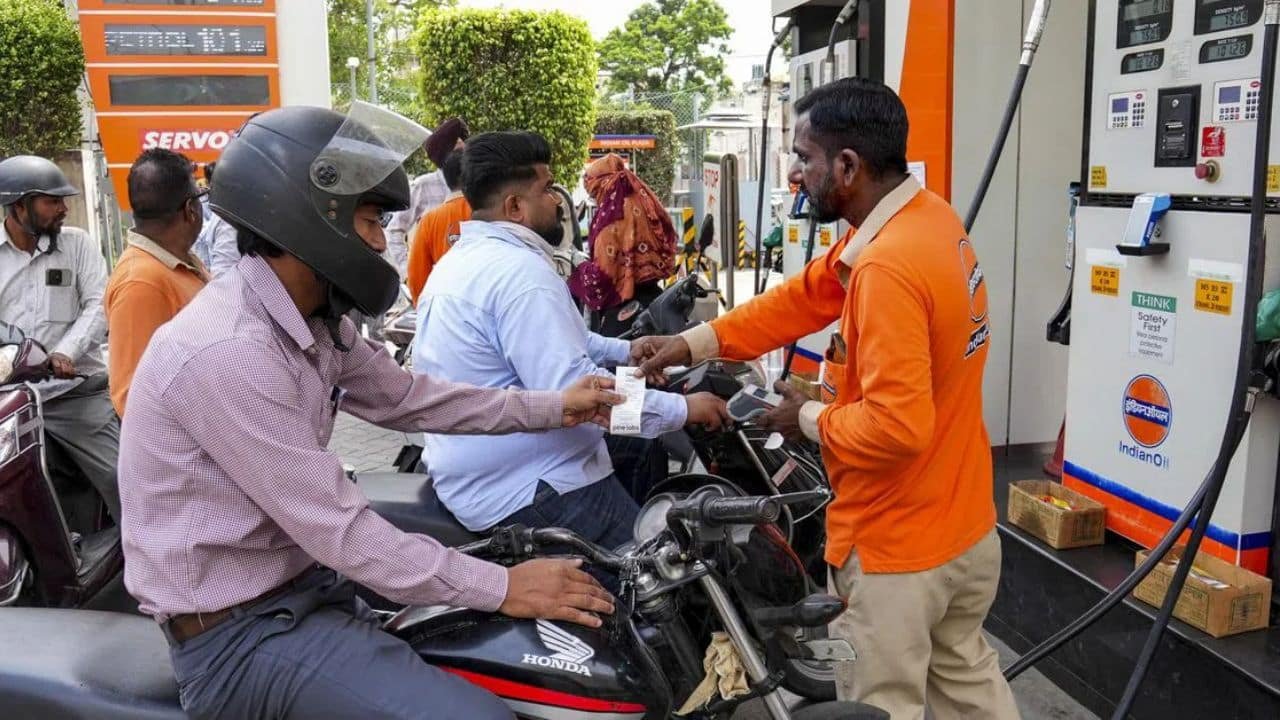

Petrol still runs the show in India’s two-wheeler market, and for good reason. Fuel is available in every corner of the country, service networks are decades deep, and you’re never staring at a charging point wondering how long the wait will be. But petrol motorcycle covers everything from a no-frills 100cc commuter to a 400cc tourer, and picking the wrong one for your riding pattern is where most buyer regret comes from. This covers what actually matters when petrol is your fuel of choice.
Why Riders Still Choose Petrol Over Electric
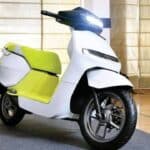
Petrol motorcycles remain the default for a few practical reasons that go beyond habit. Refuelling takes minutes, not hours, which matters if your riding pattern isn’t predictable. The service network is mature almost everywhere, including smaller towns where an electric two-wheeler’s specialised battery servicing might mean a long wait or a trip to a bigger city. And petrol bikes simply don’t suffer from range anxiety on a long, unplanned detour the way an electric two-wheeler can.
None of this makes petrol universally better. It makes it the more practical choice for riders with longer or unpredictable distances, riders without reliable home charging, and anyone riding regularly outside major metros where EV service infrastructure is still catching up.
Choosing the Right Engine Size for Petrol Riding
Engine displacement decides your running cost, your highway comfort, and how tiring the bike feels in daily traffic. It’s worth treating this as the first real decision, not an afterthought once you’ve already picked a model you like the look of.
🚀 Join Our Tech Community!
Get the latest news, updates, and tech trends delivered straight to your phone. Never miss an update!
Under 125cc is where fuel efficiency peaks. These engines are tuned for economy over performance, and they suit riders whose daily distance is short and mostly flat, in-town riding. Overtaking on a busy road takes patience on these engines, so if your commute includes fast-moving traffic or a highway stretch, this segment can start to feel underpowered quickly.
125cc to 160cc is the sweet spot for a large share of Indian riders. You get noticeably easier overtaking and a bit more highway comfort without a major jump in fuel cost or insurance premium. This is usually the right upgrade point for someone who found a sub-125cc bike limiting.
160cc to 250cc brings real highway capability. These engines hold cruising speeds without straining, and the segment includes a wider spread of naked, sports, and ADV-styled options. Fuel efficiency drops compared to smaller engines, and so does the resale pool slightly, since it’s a narrower buyer segment than the mass-market 100-160cc range.
250cc and above is where petrol motorcycles shift from commuting tools to genuine touring or performance machines. Servicing costs more, insurance costs more, and fuel efficiency is no longer the priority the way it is lower down the range. This segment makes sense once you know your riding genuinely calls for it, not as a default first bike.
Mileage Claims vs What You’ll Actually Get
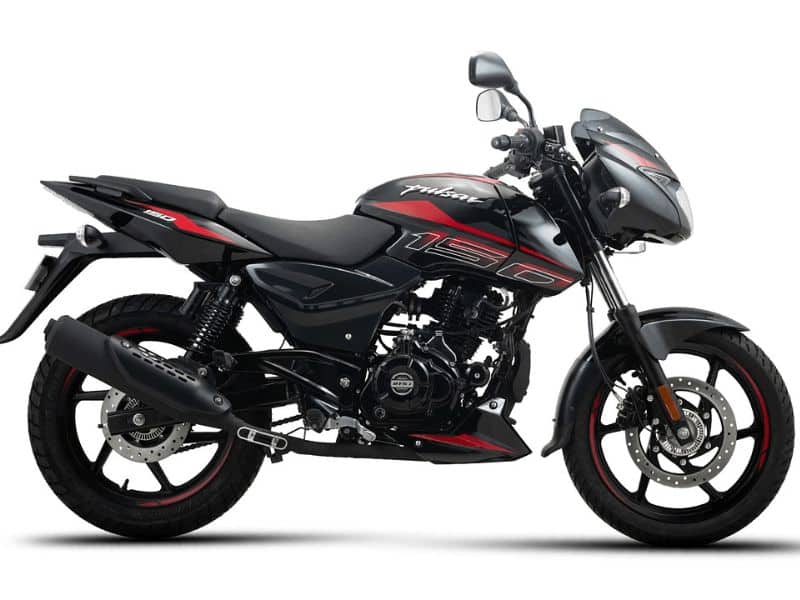
Every petrol motorcycle carries an ARAI-certified mileage figure, tested under standardised, controlled conditions. Treat it as a ceiling, not a promise. Real-world mileage, particularly in stop-start city traffic with constant braking and idling at signals, typically runs lower than the certified number.
A few things genuinely affect your real-world mileage on a petrol bike:
- Riding style. Aggressive throttle and hard acceleration burn noticeably more fuel than smooth, steady riding.
- Traffic conditions. Bumper-to-bumper crawl with frequent stops hurts mileage far more than free-flowing traffic at a steady speed.
- Tyre pressure. Underinflated tyres increase rolling resistance and quietly eat into your mileage over time.
- Load. Regular pillion riding or carrying luggage reduces mileage compared to solo riding.
- Maintenance state. A poorly serviced air filter or worn spark plug can drag mileage down without any obvious warning sign.
If a dealer quotes only the ARAI figure without mentioning real-world variance, ask directly what owners are reporting in city conditions. That number is usually more useful for budgeting your actual monthly fuel cost.
Fuel Injection vs Carburetor: Does It Still Matter?
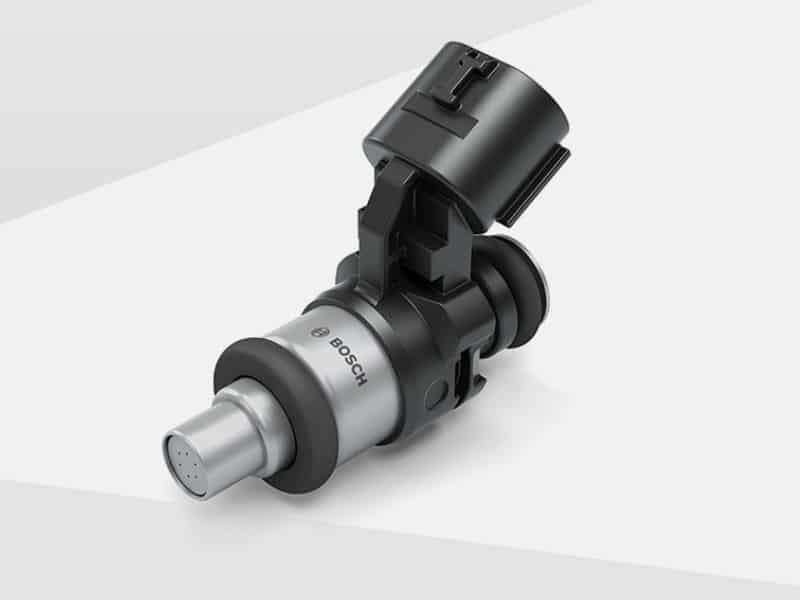
Most petrol motorcycles sold in India today use fuel injection rather than a carburetor, largely because of tightening emission norms. Fuel injection delivers more precise fuel metering, which generally means better cold starts, smoother throttle response, and marginally better efficiency compared to older carbureted setups. If you’re looking at a new petrol motorcycle in 2026, fuel injection is effectively the standard rather than a premium feature to seek out specifically. It’s more relevant to check for if you’re considering an older used bike, where a carbureted engine may need more frequent tuning and is more sensitive to fuel quality.
Maintenance and Running Costs You Should Budget For
A petrol motorcycle has more moving parts than an electric two-wheeler, and that translates directly into a different maintenance rhythm. Budget for these as ongoing costs, not one-time purchase considerations:
- Engine oil changes, at intervals specified by the manufacturer, using the correct oil grade for the specific engine.
- Air filter cleaning or replacement, more frequent in dusty conditions common across much of India.
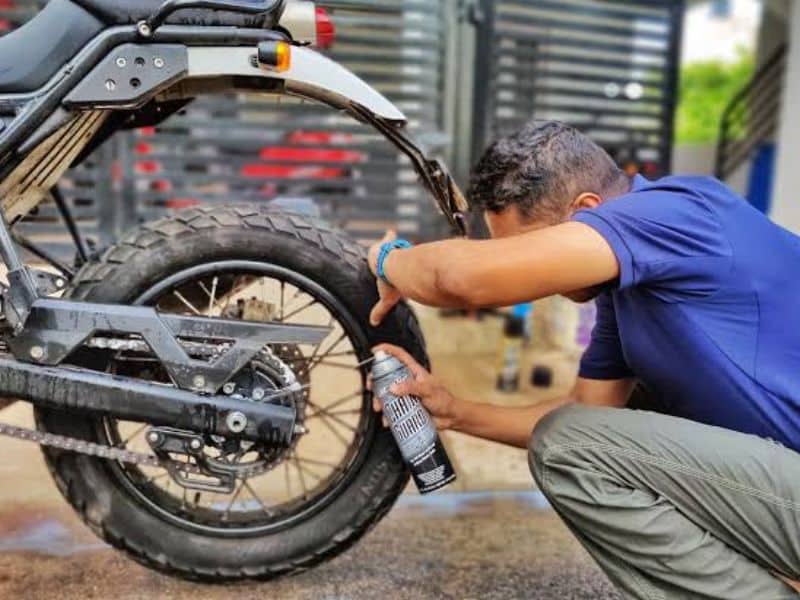
- Chain and sprocket maintenance on chain-driven bikes, including regular cleaning, lubrication, and tension adjustment.
- Spark plug replacement, on the manufacturer’s recommended schedule, since a worn plug affects starting, smoothness, and fuel efficiency.
- Brake pad and fluid checks, particularly important given how directly braking performance affects two-wheeler safety.
None of these are expensive individually, but they add up over a year of ownership, and skipping them tends to cost more later in the form of reduced performance or a bigger repair bill.
Petrol Motorcycle Features Worth Checking
Beyond the engine, a handful of features make a genuine daily difference on a petrol motorcycle.
Fuel tank capacity determines how often you’ll need to stop. A larger tank matters more if you do regular highway riding; it’s a smaller consideration for short, predictable city commutes where you’re never far from a fuel station anyway.
Digital instrument cluster with fuel efficiency tracking helps you monitor real-world mileage over time rather than relying only on the certified figure, which is genuinely useful for spotting a developing maintenance issue before it becomes serious.
Underseat storage, common on scooters and increasingly on some motorcycles, adds everyday practicality for carrying a helmet or small bag.
Braking setup. As with any two-wheeler, front disc brakes and at least single-channel ABS should be treated as a baseline requirement rather than a negotiable extra, given how much braking performance affects rider safety.
Petrol vs CNG-Compatible Two-Wheelers
CNG-run two-wheelers are far less common in India than CNG cars, but bi-fuel options exist in some markets and are worth a brief mention if lower running cost is your main priority and you have consistent access to CNG refuelling infrastructure. The trade-offs mirror what shows up on the four-wheeler side: lower running cost per kilometre, but reduced power output in CNG mode and refuelling access that’s far less widespread than petrol, particularly outside cities with an established CNG station network. For most riders, this remains a niche consideration rather than a mainstream one.
When a Petrol Motorcycle Makes More Sense Than Electric
Petrol is the stronger choice if your riding pattern includes any of the following:
- Regular trips beyond city limits or unpredictable daily distances
- Riding in a smaller town or semi-urban area where EV service support is still limited
- No reliable access to home or workplace charging
- A preference for quick refuelling over overnight charging
- Frequent pillion riding or load-carrying over longer distances, where petrol engines currently offer a wider range of proven, higher-output options
If your riding is short, predictable, and mostly within city limits with charging access at home, it’s worth cross-checking against an electric two-wheeler before deciding, since running costs there tend to be lower. But for most riders outside that specific profile, petrol remains the more dependable, lower-friction choice today.
Frequently Asked Questions
Is a petrol motorcycle still a good choice in 2026, or should I go electric?
Petrol remains the more practical choice for riders with longer or unpredictable distances, limited charging access, or riding areas outside major metros where EV service networks are still developing. Electric two-wheelers make more sense for short, predictable city commutes with reliable home charging.
What engine size is best for a petrol motorcycle in the city?
For most city commuters, a 100cc to 160cc petrol engine balances fuel efficiency with enough performance for daily traffic. Riders with regular highway stretches should consider stepping up to the 160-250cc range.
Does fuel injection make a real difference over a carburetor?
Yes, for practical daily use. Fuel-injected engines generally offer smoother throttle response, more reliable cold starts, and marginally better efficiency than carbureted engines, and are now the standard on nearly all new petrol motorcycles sold in India.
Why is my real-world mileage lower than the advertised figure?
ARAI-certified mileage is measured under standardised, controlled test conditions. Real-world city riding, with frequent braking, idling, and traffic, typically returns lower mileage than the certified figure. Riding style, tyre pressure, and maintenance state all affect the gap.
How often should a petrol motorcycle be serviced?
Follow the manufacturer’s service schedule, which typically covers engine oil changes, air filter checks, and chain maintenance at set distance or time intervals. Sticking to this schedule protects both performance and resale value.