

Buying a motorcycle in India is not a five-minute decision, and it shouldn’t be. You’re picking something you’ll ride through peak-hour crawl, monsoon flooding, highway stretches, and years of daily wear. Get it wrong and you’re stuck with high running costs, a bike that doesn’t suit your commute, or a resale headache down the line. This walks through every factor that actually matters, in the order a knowledgeable dealer or a sharp-eyed enthusiast friend would walk you through it, minus the sales pitch.
Start With Your Riding Profile, Not the Showroom Floor
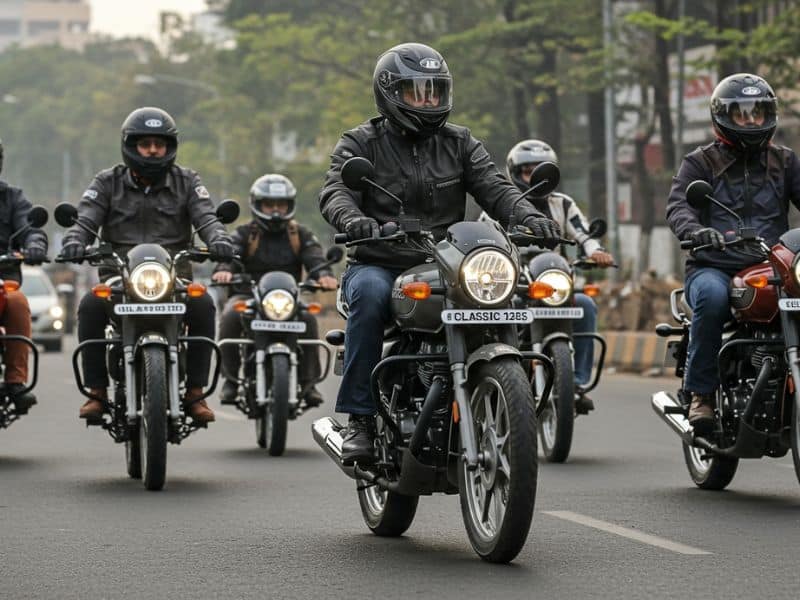
Most buyers walk into a showroom before they’ve honestly answered a simpler question: what will I actually use this bike for, day to day? Skip that step and you end up choosing based on looks or what a friend rides, which is how people end up with a sporty 200cc bike for a 40-minute daily commute through traffic, or a small-capacity commuter for someone who really needed something with more highway comfort.
Before you compare a single spec sheet, work out:
- Daily distance. A short 5-10 km city commute has very different needs from a 40 km one-way office run.
- Road type. Mostly smooth city roads, broken semi-urban patches, or a mix that includes some highway stretches.
- Pillion use. Solo riding almost every day, or regularly carrying a pillion, changes what seat, suspension, and engine output actually make sense.
- Parking and storage. Tight apartment parking might rule out longer, heavier motorcycles.
- Budget ceiling, including running costs, not just the on-road price.
Once these are clear, the type-of-bike decision below becomes far easier, because most of the guesswork disappears.
🚀 Join Our Tech Community!
Get the latest news, updates, and tech trends delivered straight to your phone. Never miss an update!
Motorcycle Types in India: Which One Actually Fits You
India’s two-wheeler market covers everything from no-fuss commuters to full-blown adventure tourers. Here’s how the major categories stack up against real buyer needs.
| Motorcycle Type | Best For | Riding Posture | Typical Trade-off |
|---|---|---|---|
| Commuter | Daily city riding, first bike, delivery/gig work | Upright, relaxed | Limited highway performance and few premium features |
| Sports | Weekend spirited rides, younger enthusiast riders | Forward-leaning, aggressive | Tiring on long commutes, lower fuel efficiency |
| Cruiser | Long-distance highway comfort, touring | Feet-forward, laid-back | Bulkier in city traffic, harder to park |
| Adventure (ADV) | Mixed on-road and off-road, long tours | Upright, commanding | Tall seat height, heavier overall |
| Naked/Street | All-round city and occasional highway use | Slightly forward, neutral | Sits between commuter and sports on comfort and performance |
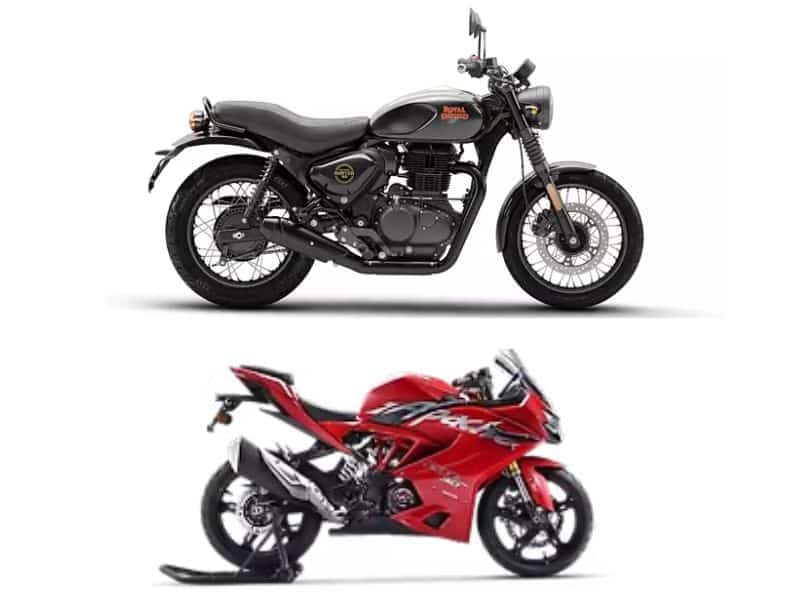
If you’re buying your first bike purely for getting to work and back, a commuter motorcycle covers most of what you need without paying for performance you won’t use. If your commute includes real highway stretches on weekends, or you’re drawn to long solo trips, a naked or an entry-level adventure bike earns its extra cost. Cruisers make sense once you know you want that riding posture specifically, not as a default first purchase.
Engine Displacement: Bigger Isn’t Automatically Better
Displacement decides more than top speed. It affects fuel efficiency, running cost, road tax in some states, and how tiring the bike is in stop-start traffic.
Sub-125cc commuters are built around mileage and low running cost. These suit riders who prioritise daily economy over performance and don’t expect much beyond flat, in-town riding.
125cc to 160cc is the segment where most Indian riders who want a bit more punch without stepping into “performance bike” territory end up. Overtaking on city roads and short highway stretches feels noticeably easier here than on a smaller commuter.
160cc to 250cc brings genuinely usable highway performance, better build quality in most cases, and a wider mix of naked, sports, and ADV-styled options. Running costs step up accordingly, and insurance tends to cost more too.
250cc and above is enthusiast and touring territory. These bikes handle sustained highway speeds comfortably and often come with more advanced electronics, but they demand a bigger budget both upfront and for servicing.
There’s no universally correct displacement. A rider doing a short daily commute on choked city roads rarely benefits from a 250cc-plus bike; a rider planning regular highway trips will find a sub-125cc commuter genuinely limiting.
Petrol or Electric: Weighing the Two-Wheeler Fuel Decision
Electric two-wheelers have moved from a niche curiosity to a real mainstream option in Indian cities, but they’re not the right fit for every rider yet.
Petrol motorcycles and scooters remain the safer default if you regularly ride beyond city limits, live somewhere without reliable home charging, or need a vehicle that refuels in minutes rather than charges over hours. Petrol two-wheelers also have a far more mature service network, which matters if you’re outside a major metro.
Electric two-wheelers make strong financial sense for predictable, short daily distances with access to home or workplace charging. Running cost per kilometre is generally lower, and the maintenance burden is lighter since there’s no engine oil, clutch, or gearbox to service. The trade-offs are real range anxiety on longer or unplanned trips, charging infrastructure that’s still patchy outside major cities, and a service network that isn’t as widespread as petrol dealerships yet, particularly for repairs beyond routine checks.
If your daily riding is short, predictable, and mostly within city limits, and you have somewhere to charge overnight, an electric two-wheeler is worth serious consideration. If your riding pattern is unpredictable, involves regular longer trips, or you don’t have consistent charging access, petrol remains the more practical choice for now.
Budget: Understand On-Road Price, Not Just the Sticker Number
The price you see advertised is almost never the price you pay. Two figures matter, and mixing them up is one of the most common buyer mistakes.
Ex-showroom price is the base price of the motorcycle before any additional charges. It’s what manufacturers typically advertise.
On-road price adds RTO registration charges, road tax, and insurance on top of the ex-showroom figure. This is the actual amount you’ll pay to ride the bike home legally, and it can add a meaningful chunk over the ex-showroom number depending on your state’s road tax structure.
Always ask the dealer for the full on-road price breakdown before comparing two bikes on cost. A motorcycle that looks cheaper ex-showroom can end up costing about the same, or more, once on-road charges are factored in, especially if road tax rates differ between models based on engine capacity or fuel type.
Beyond the purchase price, budget realistically for:
- Fuel or charging costs based on your actual monthly distance
- Scheduled service costs (these vary meaningfully by brand and engine complexity)
- Insurance renewal, particularly for higher-displacement bikes where premiums run higher
- Spare parts availability and cost, which matters more the further you are from a major service hub
Mileage vs Performance: The Trade-off You’re Actually Making
Every motorcycle purchase involves some version of this trade-off, whether buyers realise it consciously or not. A smaller, lower-output engine tuned for efficiency will almost always return better fuel economy than a larger, more powerful one, but it’ll also feel flatter on overtakes and highway inclines.
A useful way to think about it: match the engine’s character to where you’ll actually spend most of your riding time, not to the riding you do occasionally on weekends. Someone who rides 300 km a month in flat city traffic gets more real value from an efficient, low-maintenance commuter than from a punchier bike whose extra performance mostly goes unused. Someone doing frequent highway runs will find a smaller engine working harder than it should, which shows up as both rider fatigue and worse real-world mileage than the claimed figures suggest.
It’s worth noting that ARAI-certified mileage figures are tested under controlled, standardised conditions. Real-world mileage, especially in bumper-to-bumper city traffic with frequent braking, tends to run lower. Treat certified figures as a ceiling, not a promise.
Safety Features Worth Prioritising
Two-wheeler safety in India deserves more attention than it typically gets in buying decisions, given how exposed riders are compared to car occupants.
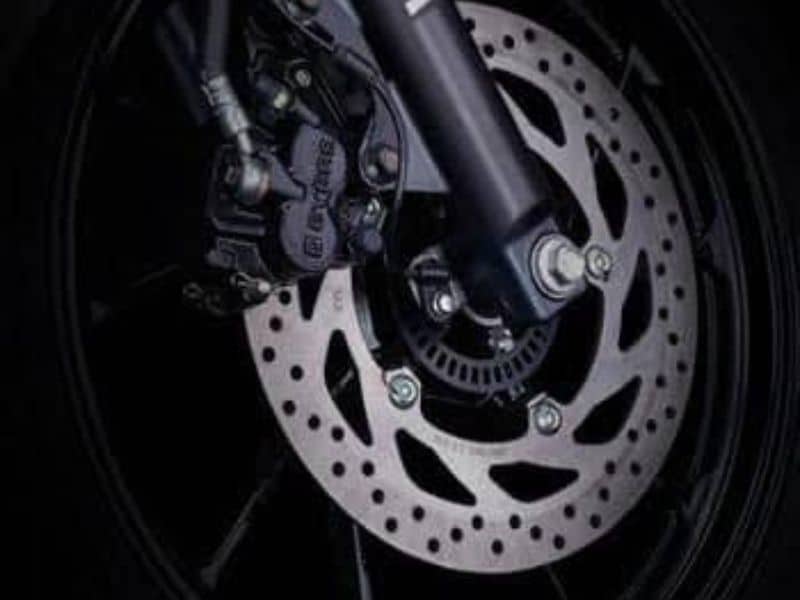
ABS (Anti-lock Braking System) prevents wheel lockup during hard braking, which is particularly important on two wheels since a locked front wheel can cause an immediate loss of balance and a fall. Single-channel ABS (front wheel only) is common on smaller-displacement bikes; dual-channel ABS (both wheels) offers more complete protection and is increasingly available as you move up in engine size and price.
Disc brakes, at least on the front wheel, generally offer more consistent stopping power and better heat dissipation than drum brakes, especially under repeated hard braking in traffic.
Tyre quality and size affect grip more than most buyers account for. Don’t treat tyres as a place to cut costs after purchase.
Build quality and frame rigidity aren’t something you can read off a spec sheet, but a short test ride over a rough patch or a sharp turn will tell you a lot about how planted the bike feels.
None of these features should be treated as optional extras to skip for a lower price. On a two-wheeler, braking performance and stability directly affect how survivable a bad moment on the road turns out to be.
Brand, Service Network, and Why They Matter More Than You’d Think
A motorcycle is only as convenient as the service network behind it. This matters far more in India than in markets with denser, more uniform infrastructure, because service quality and parts availability can vary sharply between a metro city and a smaller town.
Before finalising a purchase, especially outside a major city, check:
- How many authorised service centres exist near where you actually live and ride, not just in the nearest big city
- Typical wait times for spare parts, particularly for anything beyond routine consumables
- Whether the brand has a track record of consistent after-sales support in your specific region
A slightly less exciting bike from a brand with strong local service backing will usually serve you better over years of ownership than a more desirable bike from a brand with thin service coverage in your area.
New vs Used: When a Used Motorcycle Makes Sense
A new motorcycle comes with a full warranty, no unknown history, and the latest features for that model year. A used motorcycle can offer meaningfully better value per rupee, provided you’re careful.
If you’re considering a used bike, checking these areas isn’t optional:
- Engine condition. Listen for unusual noises at idle and under load, and check for oil leaks around the engine casing.
- Chain and sprocket wear (or belt condition on scooters), since replacement isn’t cheap and heavily worn drivetrain components signal neglected maintenance.
- Frame and accident history. Look for signs of repainting, misaligned panels, or a frame that doesn’t sit true, all of which can point to a past accident.
- Service records. A seller who can produce a maintenance history is generally more trustworthy than one who can’t.
- Registration and ownership paperwork. Confirm the RC, insurance, and any pending loan or hypothecation are all in order before money changes hands.
A used bike from a well-maintained, single-owner history can be excellent value. A neglected one, even at a lower price, often costs more in repairs than the saving was worth.
Financing: EMI Basics Before You Sign
Most first-time buyers finance at least part of their motorcycle purchase. A few things worth understanding before you commit to a loan tenure:
- A longer tenure lowers your monthly EMI but increases the total interest paid over the loan’s life.
- Check whether the loan includes mandatory add-ons (extended warranty, accessories) bundled into the EMI without a clear breakdown.
- Compare the total repayment amount, not just the advertised EMI figure, across different lenders or dealer financing offers.
- Factor loan EMI into your monthly budget alongside fuel or charging costs and insurance, not as a separate, forgotten line item.
If you have the option to pay a larger down payment and shorten the tenure, the total interest saved is often worth the short-term cash outlay, provided it doesn’t strain your monthly finances elsewhere.
Resale Value: Buy With the Exit in Mind
Few first-time buyers think about resale at the point of purchase, but it meaningfully affects the real cost of ownership over a bike’s life. Motorcycles from brands with strong reliability reputations and dense service networks tend to hold value better, since used buyers factor in exactly the same after-sales concerns discussed earlier.
Popular, high-volume models in a segment also tend to resell faster simply because there’s a larger pool of interested used buyers. A niche or unusual model might be more distinctive to own, but it can sit longer on a resale listing when the time comes to sell.
Test Ride Checklist: What to Actually Check
A test ride is your one chance to catch things a spec sheet won’t tell you. Don’t skip it, and don’t rush it.
- Sit on the bike stationary first. Check if your feet reach the ground comfortably and if the reach to the handlebar feels natural for your height.
- Ride over a rough patch or speed breaker if the test route allows it, to feel how the suspension actually absorbs bumps.
- Test the brakes at a safe, controlled speed to feel how progressive or grabby they are.
- Pay attention to vibration levels at different speeds, particularly around your daily cruising speed, since vibration that seems minor on a five-minute test ride can become fatiguing over a long commute.
- Check mirror visibility and instrument cluster readability while actually riding, not just while parked.
Common Mistakes First-Time Buyers Make
Buyers repeatedly fall into a handful of avoidable traps:
Choosing a bike based purely on looks or what a friend rides, without matching it to actual riding needs. Ignoring on-road price and budgeting only against the ex-showroom figure, then being caught off guard at the RTO counter. Skipping the test ride, or doing one so brief it doesn’t reveal anything meaningful. Underestimating service network availability in their specific town or neighbourhood. Treating safety features like ABS as a negotiable extra rather than a baseline requirement. And financing a purchase without comparing the total repayment cost across lenders, focusing only on the monthly EMI number.
Frequently Asked Questions
What is the ideal engine size for a first-time motorcycle buyer in India?
For most first-time buyers doing primarily city commuting, a bike in the 100cc to 160cc range offers a practical balance of manageable running costs and enough performance for daily traffic conditions. Riders who expect regular highway use should look slightly higher.
Is an electric motorcycle or scooter a good choice for daily commuting?
An electric two-wheeler works well for short, predictable daily distances with access to home or workplace charging. It becomes less practical if your riding involves longer, unplanned trips or you lack reliable charging access.
What’s the difference between ex-showroom price and on-road price?
Ex-showroom price is the base cost of the motorcycle before additional charges. On-road price adds RTO registration, road tax, and insurance, and is the actual amount you’ll pay to legally ride the bike. Always compare on-road prices when budgeting.
Should I prioritise mileage or performance when choosing a motorcycle?
Match the choice to how you actually ride most of the time, not to occasional weekend use. Frequent city commuters generally get more real value from efficiency-focused bikes, while riders doing regular highway distances benefit more from stronger performance, even at some cost to fuel economy.
Is ABS necessary on a motorcycle in India?
Yes. ABS prevents wheel lockup during hard braking, which is particularly critical on two wheels since a locked wheel can cause an immediate loss of balance. It should be treated as a baseline safety requirement, not an optional upgrade.