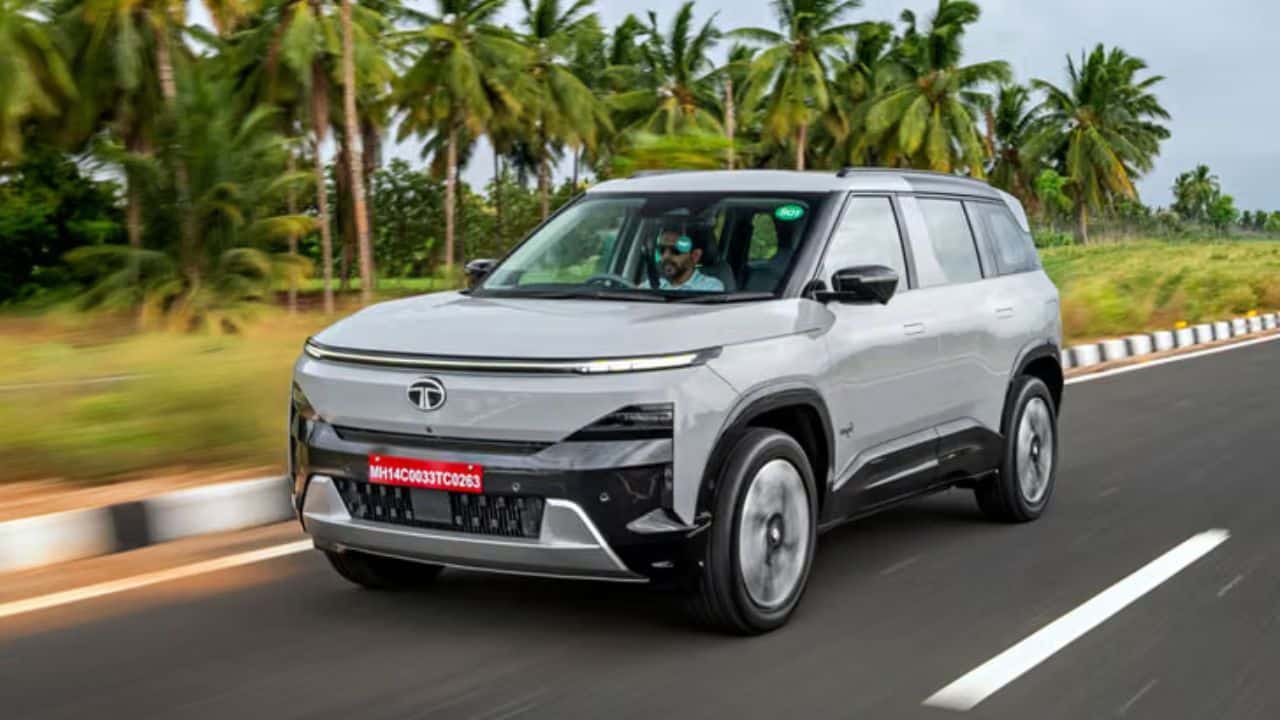

For most buyers who want a spacious, long-range electric SUV with genuine road presence, yes, the Tata Sierra EV is worth serious consideration, particularly in its 75 kWh Adventure or Empowered form. It’s not the right choice for everyone though, and a few specific gaps are worth understanding before you put down a booking amount.
This isn’t a spec-sheet recap. You’ve probably already seen the numbers: Rs 18.79 lakh to Rs 25.99 lakh ex-showroom, up to 665 km claimed range, an AWD option with 504 Nm of torque. What actually matters is whether those numbers translate into a good decision for your specific situation, and that’s what this verdict digs into.
Who the Tata Sierra EV Genuinely Suits
Families who need real boot and storage space. At 622 litres of boot space plus a frunk on top, the Sierra EV comfortably out-packs most rivals in this price bracket. If you regularly travel with luggage, sports equipment, or simply a lot of stuff for a family road trip, this is a genuine, tangible advantage over rivals with smaller boots and no frunk at all.
Buyers who want the longest realistic range in this segment. The 665 km MIDC claim on the 75 kWh RWD variant is among the strongest in its price bracket, comfortably ahead of the Hyundai Creta Electric’s 473 km claimed figure. Even accounting for the usual gap between MIDC-claimed and real-world numbers, the Sierra EV should still land meaningfully ahead of shorter-range rivals in genuine daily use, which matters if range anxiety is what’s been holding you back from an EV so far.
🚀 Join Our Tech Community!
Get the latest news, updates, and tech trends delivered straight to your phone. Never miss an update!
Anyone who values distinctive styling over a generic EV silhouette. A lot of electric SUVs in India right now look interchangeable from twenty feet away. The Sierra EV’s boxy, retro-inspired stance and Alpine window styling genuinely stand apart, and if road presence and being recognisable matter to you as much as the numbers do, this is a point firmly in the Sierra EV’s favour.
Buyers who specifically want AWD with real off-road capability. Most electric SUVs in this price range don’t offer all-wheel drive at all. The Sierra EV’s Empowered A AWD variant does, with six genuine terrain response modes and enough torque (504 Nm) to make it a credible off-roader, not just a marketing checkbox.
Where the Tata Sierra EV Falls Short
AWD is locked behind the most expensive trim. You cannot get all-wheel drive on the Sierra EV without also buying the fully loaded Empowered A variant at Rs 25.99 lakh. If you want AWD specifically for wet-weather confidence or occasional rough roads but don’t need or want every other top-trim feature, there’s no cheaper way in, and that’s a real limitation compared to brands that offer AWD as a standalone option on a mid-tier trim.
The climate control panel is a genuine everyday annoyance. It’s a small thing on a spec sheet but a real one in daily use: the touch-sensitive gloss-black climate panel looks sleek in photos but is harder to operate on the move than physical buttons, and it picks up fingerprints and smudges quickly. If you’re someone who adjusts climate settings frequently while driving, this is worth experiencing firsthand at a dealership before you decide it doesn’t bother you.
It’s a freshly launched model without independent safety validation yet. A formal Bharat NCAP or Global NCAP crash-test rating hadn’t been published at the time of writing. Tata’s own internal testing gives the company confidence in a strong result, but that’s not the same as an independently verified star rating, and buyers who specifically prioritise third-party-verified safety data over manufacturer confidence should factor in a wait for that rating before committing.
Real-world range is still unverified by actual owners. MIDC-claimed figures are a reasonable planning baseline, but they’re not the same as what you’ll see on your own dashboard after a few months of city traffic and AC use. Since deliveries only begin July 15, 2026, there’s no meaningful body of owner-reported range data yet. Buyers who are especially sensitive to range shortfalls, rather than treating the claimed figure as a rough ceiling, may want to wait a month or two for early ownership reports to settle before booking.
How It Stacks Up Against the Alternatives
Against the Hyundai Creta Electric, the Sierra EV wins clearly on claimed range and offers AWD, which the Creta Electric doesn’t. The Creta counters with a more established brand name in India and a wider, more mature service network, which matters if after-sales confidence weighs heavily in your decision.
Against the Mahindra BE 6, it’s a genuinely close call on paper, both offer strong range and performance credentials, and the choice will likely come down to styling preference, dealership experience in your city, and which brand’s design language you simply prefer to look at every day.
Against Tata’s own Curvv EV, the Sierra EV costs more but offers AWD and a boxier, more practical body style, while the Curvv EV undercuts it on price with a coupe-SUV stance that some buyers will prefer aesthetically. If budget is tight and you don’t specifically need the Sierra’s boot capacity or AWD option, the Curvv EV is worth cross-shopping before you commit the extra lakhs.
The Honest Trade-Off
Buying the Sierra EV right now means accepting the trade-offs that come with any newly launched vehicle: strong on-paper numbers, genuine styling appeal, and a real practicality edge, weighed against the absence of independent crash-test validation and real owner range data at the time of purchase. Neither of those gaps is a red flag exactly, most new vehicle launches carry them for the first few months, but they’re worth being clear-eyed about rather than assuming everything on the spec sheet will hold up perfectly in practice.
Verdict
Buy the Tata Sierra EV if you want one of the longest-range, most spacious electric SUVs currently available in India, are drawn to its distinctive retro styling, and either don’t mind paying for the top trim to get AWD or don’t need AWD at all. The 75 kWh Adventure variant at Rs 22.19 lakh is the strongest all-round pick for most buyers, balancing genuine range with a reasonable price.
Skip it, or at least wait, if all-wheel drive at a mid-range price is a hard requirement for you, if you specifically want to see an independent Bharat NCAP crash-test rating before spending over Rs 20 lakh, or if you’d rather read real owner range reports before trusting the claimed 665 km figure. None of these are reasons to rule the Sierra EV out permanently, they’re reasons to either choose a different variant configuration or simply give the model a few months to prove itself in real Indian ownership conditions.
Frequently Asked Questions
Is the Tata Sierra EV a good buy for families?
Yes. Its 622-litre boot plus frunk storage, spacious 2,730 mm wheelbase, and strong claimed range make it a genuinely practical choice for family use, particularly in the 75 kWh Adventure or Empowered variants.
Is the Tata Sierra EV better than the Hyundai Creta Electric?
The Sierra EV offers a longer claimed range and an AWD option that the Creta Electric doesn’t have. The Creta Electric offers a more established brand reputation and service network. Which is “better” depends on whether range and AWD or brand trust matter more to you.
Should I wait before buying the Tata Sierra EV?
Consider waiting a few months if you specifically want independent Bharat NCAP crash-test results or real owner-reported range data before committing, since both were unavailable at launch. If neither concerns you, there’s no strong reason to delay.
Does the Tata Sierra EV come with all-wheel drive on cheaper variants?
No. All-wheel drive is only available on the range-topping Empowered A variant at Rs 25.99 lakh (ex-showroom).