

Electric motorcycles are still a smaller slice of India’s EV two-wheeler story compared to electric scooters, but the segment is growing, and a genuine electric motorcycle brings a different set of trade-offs than either a petrol motorcycle or an electric scooter. If you’re considering one, the decision hinges less on brand appeal and more on a handful of practical questions: how far do you actually ride, where will you charge, and does the segment’s current maturity match what you need day to day. This guide walks through what actually matters.
Electric Motorcycle vs Electric Scooter: Know the Difference First
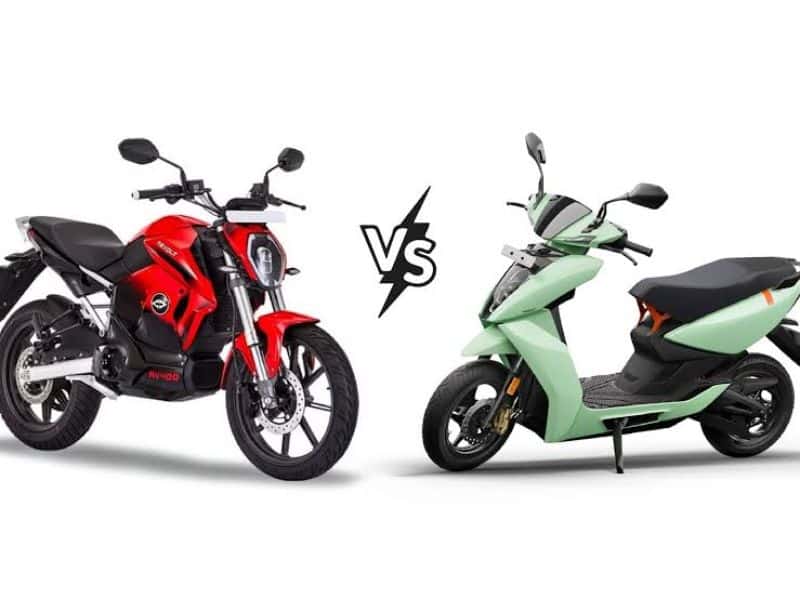
Before going further, it’s worth being clear on what you’re shopping for, since the terms often get used loosely. An electric motorcycle typically has a more upright or sporty riding posture, a manual-style or geared feel in some models, and generally targets a rider who wants motorcycle handling and performance rather than the step-through convenience of a scooter. Electric scooters dominate India’s electric two-wheeler volumes by a wide margin and are built around simplicity and short-hop commuting.
If you’re drawn to an electric motorcycle specifically for its handling, styling, or a more engaging ride than a scooter offers, that’s a legitimate reason to choose one over a scooter. If you mainly want the lowest-hassle, most practical electric commute, it’s worth cross-checking whether an electric scooter actually serves your needs just as well, often at a lower price point.
Why Consider an Electric Motorcycle at All
The core appeal is the same as any electric two-wheeler, just wrapped in motorcycle styling and dynamics. Running cost per kilometre is generally lower than petrol, since electricity costs less than fuel for the same distance covered. Maintenance is lighter too. There’s no engine oil to change, no clutch to wear out in most designs, and no multi-speed gearbox to service, since electric motors deliver power directly with far fewer moving parts than a petrol engine.
🚀 Join Our Tech Community!
Get the latest news, updates, and tech trends delivered straight to your phone. Never miss an update!
Electric motors also deliver near-instant torque from a standstill, which means an electric motorcycle can feel genuinely quick off the line even when its headline power figures look modest next to a petrol equivalent. Riding is quieter too, which some riders value and others find takes getting used to, especially if you’re accustomed to relying on engine sound for a sense of speed.
Range: The Number That Matters Most
Range is the single factor that determines whether an electric motorcycle fits your life or becomes a daily source of anxiety. A few things to get right when evaluating range claims:
Certified range vs real-world range. Manufacturer-claimed range figures are typically achieved under specific test conditions. Real-world range, especially with city traffic, frequent acceleration, air resistance at higher speeds, and rider weight, is usually lower than the claimed figure. Treat the claimed number as a best-case ceiling, and ask specifically for real-world range figures from existing owners if available, since this gap can be substantial.
What affects real-world range on any given ride:
- Riding speed, since higher speeds increase air resistance and draw down the battery faster
- Riding style, with aggressive acceleration draining the battery quicker than smooth, steady throttle input
- Rider and pillion weight, plus any luggage carried
- Ambient temperature, since battery performance and range can dip in extreme heat or cold
- Terrain, with inclines demanding more from the motor and battery than flat roads
Match range to your actual commute, with margin. If your daily round trip is 30 km, a bike claiming 60 km range sounds comfortable, but once real-world variance is factored in, that margin shrinks. Buy with a genuine buffer above your daily distance rather than cutting it close to the claimed number, particularly if you don’t have reliable charging access during the day to top up.
Charging: Time, Access, and Planning Around It
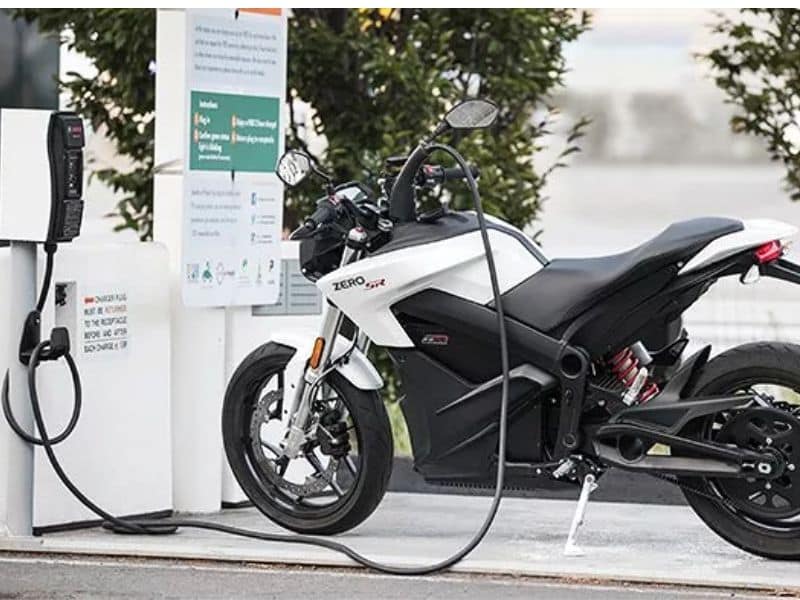
Charging an electric motorcycle takes considerably longer than refuelling a petrol bike, and this is the trade-off that most changes how you plan your riding day.
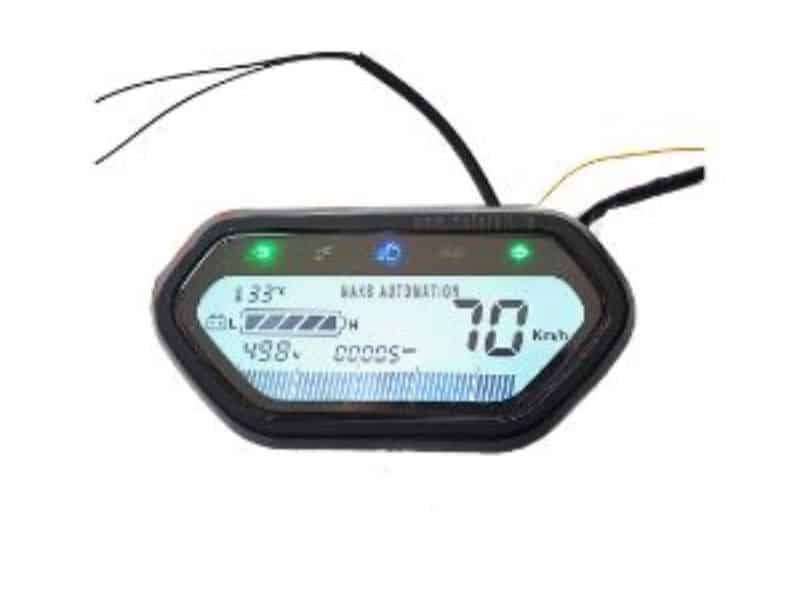
Home charging is usually the most convenient and cost-effective option, typically done overnight using a standard charging setup. This works well if you have secure access to a power point where the bike is parked, whether that’s a private space or reliable access in a shared parking area.
Public charging infrastructure for electric two-wheelers specifically is still developing across India, and it’s considerably less widespread than what exists for electric cars or than petrol refuelling infrastructure. Don’t assume you’ll find a convenient public charging point on a longer or unplanned trip the way you would a petrol pump.
Charging speed varies by model. Some electric motorcycles support faster charging options that noticeably cut down replenishment time compared to standard charging, though faster charging isn’t available on every model and often comes at a higher price point. If your daily routine leaves only a short window to charge, this is worth checking specifically rather than assuming all models charge at a similar rate.
Before buying, honestly assess whether you have consistent access to charging where you park overnight. If you don’t, an electric motorcycle becomes considerably less practical regardless of how good its other numbers look.
Battery Health and Long-Term Ownership
The battery is the single most expensive component on an electric motorcycle, and understanding how to protect it matters more here than with almost any other part of the bike.
Battery degradation is normal and gradual. All batteries lose some usable capacity over time and charge cycles, influenced by charging habits and temperature exposure. This is expected, not a fault, but the rate of degradation is affected by how the battery is used and charged day to day.
Charging habits that help battery longevity:
- Favour regular, moderate charging over frequently charging to 100 percent or letting the battery run down to very low levels unnecessarily
- Avoid leaving the bike charging to full capacity for long periods under direct sun or in extreme heat, since heat accelerates battery degradation
- Stick to manufacturer-recommended charging equipment rather than unverified third-party chargers
Battery warranty is critical to check. Battery warranties are typically longer than the standard vehicle warranty and often specify a minimum guaranteed capacity retention over that period. Read this carefully before buying, since it directly affects your risk if the battery underperforms earlier than expected. A vague or short battery warranty is a genuine red flag worth weighing against the rest of the bike’s appeal.
Running Costs and Maintenance: What Actually Changes
Electric motorcycles shift the maintenance profile significantly compared to petrol equivalents, and it’s worth understanding what goes away and what stays.
What you no longer need to worry about: engine oil changes, spark plugs, clutch wear (on most designs), multi-speed gearbox servicing, and exhaust system maintenance.
What still needs regular attention: tyres, brakes (though brake wear is often reduced thanks to regenerative braking recovering some of the vehicle’s kinetic energy during deceleration), suspension components, and periodic software updates on models with connected features.
Specialised service needs. Any issue with the battery pack or the electric drivetrain requires a technician trained specifically for high-voltage systems, not a general petrol-bike mechanic. Before buying, check how many service centres near you are actually equipped to handle this, since it’s a narrower network than petrol servicing in most regions today.
Running cost per kilometre is generally lower on electricity than petrol, but the total ownership cost picture depends heavily on your local electricity tariff, how much home charging you can access versus paid public charging, and how the specific model’s battery warranty holds up over the years you own it.
Features Worth Checking on an Electric Motorcycle
Riding modes. Multiple selectable modes, typically trading off range for performance, let you stretch battery life on longer days or unlock quicker acceleration when you don’t need the range.
Regenerative braking. This recovers some energy back into the battery during deceleration, improving overall efficiency and reducing wear on the mechanical brakes.
Connected app features. Many electric motorcycles now offer app-based range tracking, ride statistics, and remote diagnostics. These are genuinely useful for keeping an eye on real-world range and catching a developing issue early, though they shouldn’t be a deciding factor over more fundamental concerns like range and service network.
Braking setup. As with any two-wheeler, disc brakes and ABS should be treated as a baseline safety requirement rather than an optional extra.
When an Electric Motorcycle Makes Sense, and When It Doesn’t
An electric motorcycle is a strong fit if your daily distance is predictable and comfortably within the bike’s real-world range, you have consistent access to charging where you park, you ride mostly within city or short-highway distances, and you specifically want motorcycle dynamics rather than scooter convenience.
It’s a weaker fit if your riding involves frequent long or unpredictable trips, you don’t have reliable charging access at home or work, you’re in a smaller town where EV-specific service support is still limited, or you regularly need to refuel quickly and get moving without planning around a charge window.
For riders who fall into that second group, a petrol motorcycle remains the more dependable choice today, and it’s worth being honest about which group you’re actually in before letting an attractive spec sheet make the decision for you.
Frequently Asked Questions
Is an electric motorcycle better than an electric scooter?
Neither is universally better. Electric motorcycles suit riders who want motorcycle-style handling and a more engaging ride, while electric scooters are generally simpler, often more affordable, and better suited to short, practical city commuting.
How much real-world range should I expect from an electric motorcycle?
Real-world range is typically lower than the manufacturer’s claimed figure, since claimed numbers are usually achieved under specific test conditions. Factor in riding speed, style, rider weight, and terrain, and buy with a comfortable margin above your actual daily distance.
How long does it take to charge an electric motorcycle?
Charging time varies by model and depends on whether standard or faster charging is used. Home charging is typically done overnight, while public fast-charging options, where available, can significantly reduce charging time but aren’t offered on every model.
Does the electric motorcycle’s battery degrade over time?
Yes, gradually, as with all rechargeable batteries. Degradation is affected by charging habits and temperature exposure, and can be slowed by avoiding frequent full charges and extreme heat exposure. Check the battery warranty’s guaranteed capacity retention before buying.
Is it easy to get an electric motorcycle serviced outside major cities?
Not always. Battery and electric drivetrain issues require technicians trained specifically for high-voltage systems, and this specialised service network is still narrower than petrol servicing in many smaller towns. Check local service centre availability before buying if you’re outside a major metro.