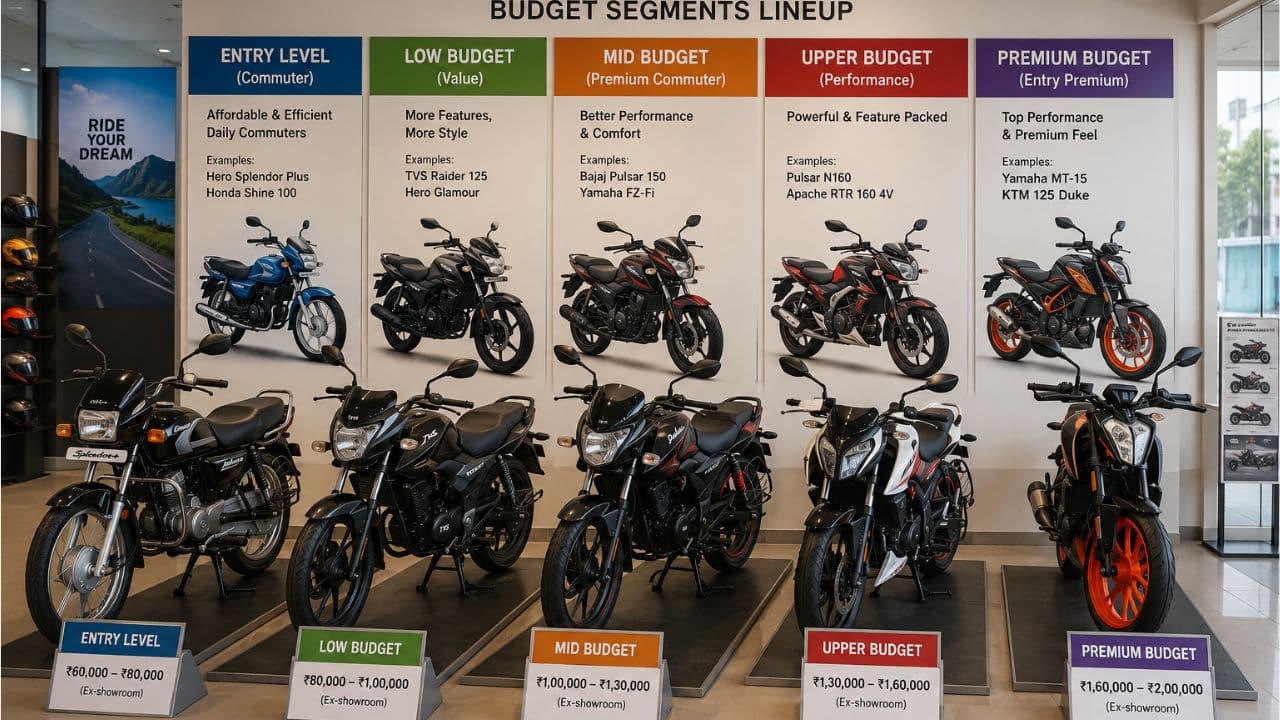

Walk into any two-wheeler showroom in India and the first question the salesperson asks isn’t petrol or electric or which brand. It’s your budget. That number decides almost everything else, engine size, features, build quality, even how the bike will hold up over five years of daily use. This breaks the market into four realistic budget bands and tells you honestly what each one gets you, not what a brochure claims.
on-road price and ex-showroom price are not the same number. RTO registration, road tax, and insurance sit on top of the ex-showroom figure, and this gap can run into thousands of rupees depending on your state. Keep that in mind as you match a budget band below to what a dealer eventually quotes you.
How to Think About Your Budget Before Picking a Bike
Most first-time buyers work backward from a fixed number in their head, usually a round figure like ₹1 lakh, and then try to squeeze the best possible bike into it. A better approach is to decide your primary use case first: daily office commute, occasional highway trips, weekend rides with friends, or something you’ll show off a little. The budget bands below assume you already know roughly what you’re using the bike for, and they’ll help you figure out which price bracket actually matches that need instead of just chasing the biggest engine number your wallet allows.
Under ₹1 Lakh: Pure Commuters
This is where the vast majority of two-wheeler sales in India happen, and for good reason. Bikes in this band are built around one job: getting you from home to work and back without draining your pocket.
🚀 Join Our Tech Community!
Get the latest news, updates, and tech trends delivered straight to your phone. Never miss an update!
What you get:
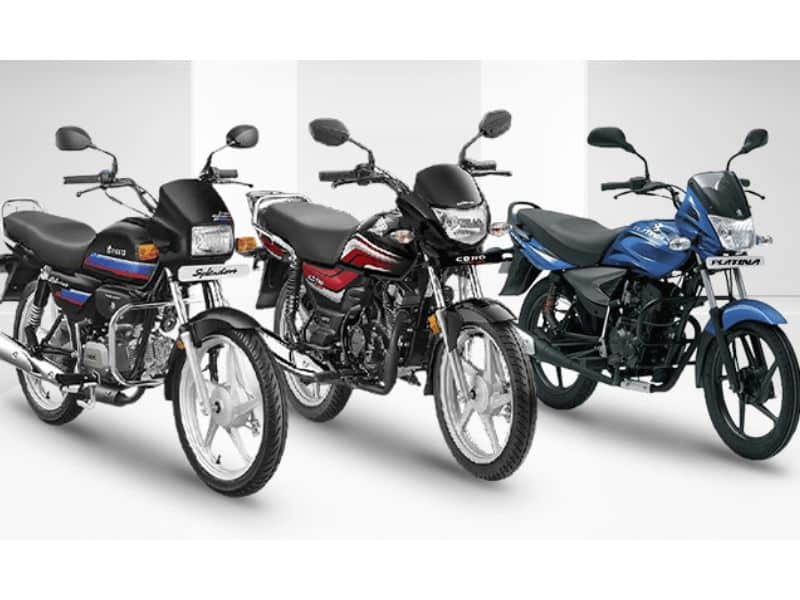
Engine capacity in this segment usually sits between 100cc and 125cc, tuned entirely for fuel efficiency rather than outright performance. Expect a drum brake on the rear wheel with a disc option on some variants, basic instrument clusters, and minimal styling flourishes. This is the segment Hero, Honda, TVS, and Bajaj have refined for decades with names like the Splendor, Shine, and Platina, and the engineering here is mature, not experimental.
What you don’t get:
Don’t expect alloy wheels as standard on the base variant, and features like a digital console or connected app support are usually reserved for the top trim. Ride comfort on long stretches is functional rather than plush, since the suspension is tuned for city potholes and speed breakers, not sustained highway cruising.
Who should buy here:
Daily commuters with a short-to-moderate distance to cover, delivery and gig-economy riders who care about running cost above everything else, and first-time buyers who want the lowest possible ownership risk. If your commute is under 20 km each way and you rarely venture onto highways, this segment covers your needs completely.
₹1 to ₹1.5 Lakh: The Sweet Spot for Most Riders
This band is where commuter practicality starts blending with a bit of style and performance, and it’s arguably the most competitive price bracket in the Indian two-wheeler market.
What you get:
Engines typically range from 125cc to 160cc, and you’ll start seeing front disc brakes as standard rather than optional, along with ABS on many models thanks to regulatory requirements. Bikes like the Bajaj Pulsar 125/150, TVS Raider, Honda SP125, and Hero Xtreme series sit here, offering noticeably punchier acceleration than a pure commuter without tipping into performance-bike territory. Fit and finish also improves, with better paint quality and more complete instrument clusters, some with a proper digital display showing gear position and fuel efficiency readouts.
What you don’t get:
True highway comfort is still limited. These bikes can hold 80-90 km/h without protest, but sustained triple-digit speeds on an expressway will feel strained, and wind protection is essentially nonexistent since none of them carry fairings.
Who should buy here:
Riders who want a bit of visual presence and a livelier ride without sacrificing fuel efficiency, and buyers who occasionally do 100-150 km weekend trips but mostly use the bike for city and semi-urban commuting. This is also a strong pick for a first bike that a rider won’t outgrow within a year or two.
₹1.5 to ₹2 Lakh: Performance Commuters and Entry Tourers
Here the market splits into two clear directions: quicker, more aggressive street bikes, and the entry point into Royal Enfield’s cruiser and retro lineup.
What you get:
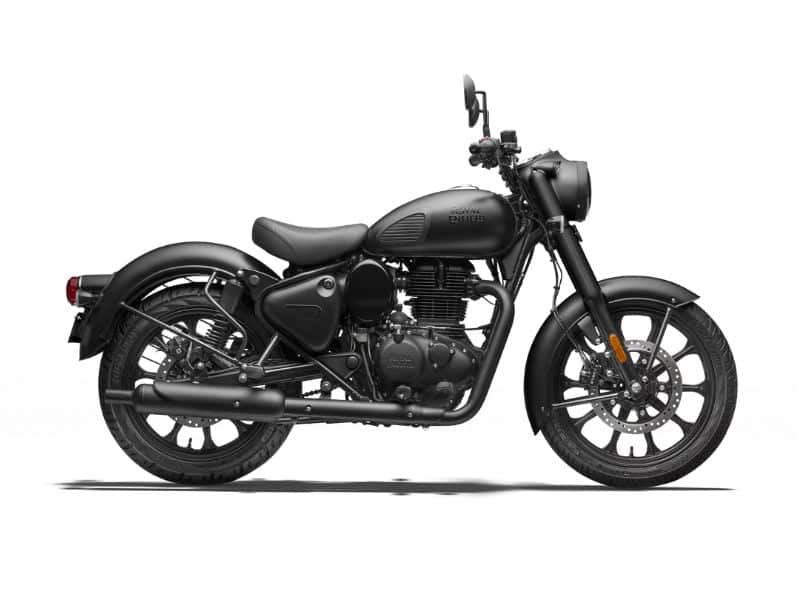
On the performance side, expect 160cc to 200cc engines with proper mid-range punch, better brakes, and sportier ergonomics, think TVS Apache RTR 160/200, Bajaj Pulsar NS200, or Yamaha’s FZ and MT-15 range. On the other end of this same budget, Royal Enfield’s Classic 350 and Hunter 350 open up cruiser and retro styling with a distinct engine character that appeals to a completely different buyer than the street-bike crowd. Both directions typically bring dual-channel ABS, better tyres, and noticeably improved highway manners compared to the segment below.
What you don’t get:
Fuel efficiency takes a real hit here. A performance-oriented 200cc bike will return meaningfully less mileage than a 125cc commuter, and Royal Enfield’s air-cooled engines, while characterful, aren’t tuned primarily for kmpl figures either. Maintenance costs also creep up slightly compared to mass-market commuters, since these engines run higher compression ratios or, in the RE’s case, have their own specific service rhythm.
Who should buy here:
Riders who genuinely want performance for spirited weekend riding, and buyers drawn specifically to the Royal Enfield ownership experience and community, which is as much a lifestyle purchase as a transport decision. This budget doesn’t suit someone purely optimizing for running cost, that buyer is better served one segment down.
₹2 Lakh and Above: Adventure, Touring, and Big-Displacement Street Bikes
This is where the Indian market starts looking like a global one, with genuine touring capability, adventure-ready hardware, and displacement figures that cross into 300cc and beyond.
What you get:
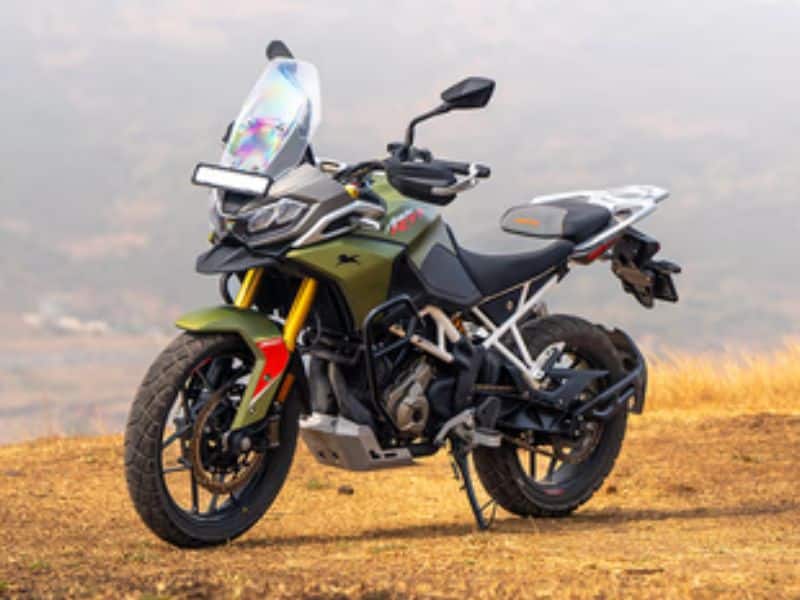
Bikes like the KTM 390 Duke, Royal Enfield Himalayan, Bajaj Dominar, and Triumph’s entry-level Speed 400 and Scrambler 400X live in this band, along with higher variants of the Apache and Pulsar range pushing past 200cc. Expect proper long-travel suspension on adventure models, ride-by-wire throttle systems, TFT instrument clusters, and genuinely capable highway cruising at sustained 100+ km/h speeds without the engine feeling stressed.
What you don’t get:
This is no longer a low-maintenance segment. Service intervals may require specialized tools or dealer-only diagnostics on some models, spare parts can cost more, and insurance premiums scale up with both displacement and declared value. Fuel efficiency also drops further, and city usability suffers slightly on the larger adventure bikes due to seat height and overall weight.
Who should buy here:
Genuine touring enthusiasts planning multi-day highway or hill rides, riders upgrading from a smaller bike who’ve outgrown its performance ceiling, and buyers for whom this is a second bike rather than daily transport. If your only riding is a short city commute, this segment is overkill regardless of how tempting the spec sheet looks.
Budget Segment Comparison
| Budget Band | Typical Engine Size | Braking | Best Suited For |
|---|---|---|---|
| Under ₹1 Lakh | 100-125cc | Drum, disc on some variants | Daily city commuting, delivery riders |
| ₹1-1.5 Lakh | 125-160cc | Front disc common, ABS on many | First bike, city plus occasional highway |
| ₹1.5-2 Lakh | 160-350cc | Dual-channel ABS common | Performance riding, RE lifestyle buyers |
| ₹2 Lakh+ | 300cc and above | Dual-channel ABS, ride-by-wire on some | Touring, adventure riding, second bike |
Factors That Matter More Than the Sticker Price
Running cost, not just purchase price. A cheaper bike with poor mileage or expensive service intervals can cost more over three years than a slightly pricier one with a strong efficiency and maintenance record. Always ask what a full service costs at the dealership, not just what the bike costs to drive away.
Resale value varies wildly by brand and segment. Commuter bikes from established brands typically hold value well because demand in the used market is constant. Niche performance bikes or lower-volume models can depreciate faster simply because the buyer pool is smaller.
Service network reach matters outside metros. A bike with the fastest 0-60 time in its class is a liability if the nearest authorized service center is 40 km away. Check service network density for your specific city or town before finalizing, especially for brands with a smaller dealership footprint.
On-road price varies by state. Road tax and registration charges differ across states, so the same bike can cost noticeably more or less depending on where you register it. Always get a state-specific on-road quote before comparing two bikes across different budget bands.
Frequently Asked Questions
Is it better to buy a used bike in a higher segment or a new bike one segment down?
It depends on how much risk you’re comfortable with. A used higher-segment bike can offer more performance and features for similar money, but you inherit unknown wear and a shorter remaining warranty. A new bike one segment down comes with full warranty and predictable costs. For a first-time buyer with no mechanical experience, the new bike is usually the safer call.
Does a higher budget always mean better mileage?
No. Mileage generally falls as engine displacement and performance rise, since a bigger engine burns more fuel to produce more power. The best mileage figures in the market come from small-displacement commuter bikes, not from bikes at the top of the budget scale.
Should first-time riders buy in the ₹1.5-2 lakh segment for extra safety features?
Not necessarily for safety alone. Regulatory ABS requirements mean even sub-₹1.5 lakh bikes now carry single or dual-channel ABS in most cases. The extra budget in higher segments buys performance and features more than a meaningful safety upgrade over a well-equipped commuter.