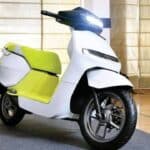


This is one of the most common two-wheeler decisions Indian buyers actually face, and it’s less about which vehicle is objectively better and more about which one matches how you’ll actually use it. A scooter and a motorcycle solve overlapping but genuinely different problems, and the buyer who picks based on brand image or what looks better parked outside their building often ends up less satisfied than one who picks based on honest daily use.
The Fundamental Mechanical Difference
A scooter uses a step-through frame, a CVT-based automatic transmission, and typically a smaller-displacement engine tuned for smooth, low-effort riding rather than outright performance. A motorcycle uses a straddle-type frame, most commonly a manual gearbox requiring clutch and gear operation, and generally offers a wider spread of displacement and performance options across the market. This mechanical difference shapes almost everything else in this comparison.
Ease of Riding: Scooter’s Clearest Advantage
A scooter’s automatic transmission removes gear shifting and clutch operation entirely from the riding experience, which genuinely lowers the learning curve for a new rider and reduces the mental and physical effort of riding in dense, stop-start traffic. There’s no risk of stalling at a signal, no clutch modulation to master, and the step-through frame makes mounting and dismounting easier, particularly relevant for riders wearing a saree, formal skirt, or other clothing where swinging a leg over a traditional motorcycle frame is awkward.
Motorcycles require learning clutch and gear coordination, a genuine skill that takes most new riders a few weeks of practice to make smooth and automatic. Once learned, it’s not a significant ongoing burden, but the learning phase itself is real, and some riders never fully warm to manual gear operation even after years of riding.
🚀 Join Our Tech Community!
Get the latest news, updates, and tech trends delivered straight to your phone. Never miss an update!
Practicality and Storage: Scooter’s Other Big Win
Most scooters include genuine underseat storage space, often enough for a full-face helmet, some groceries, or a small bag, without needing a separate backpack or luggage rack. This is a real, daily practical advantage that most motorcycles simply don’t match, since motorcycle storage typically requires an aftermarket luggage rack or top box addition rather than coming built in.
For riders running errands, carrying groceries, or needing to stash a helmet quickly at a stop, this built-in storage genuinely changes the daily experience in the scooter’s favor.
Performance and Highway Capability: Motorcycle’s Clear Edge
Motorcycles generally offer stronger acceleration, higher top speeds, and better sustained highway composure than scooters at a comparable price point, since motorcycle engines across the market span a much wider displacement range and are generally tuned with more focus on outright performance. A scooter can handle city and short highway use fine, but sustained higher speeds and quick overtakes are where a motorcycle’s engineering advantage becomes clear.
If your riding regularly includes real highway stretches, frequent overtaking, or you simply want the option of more performance headroom as your confidence grows, a motorcycle gives you meaningfully more room to grow into over time than most scooters do.
Fuel Efficiency: Roughly Comparable, With Some Nuance
Mileage between a well-chosen commuter motorcycle and a comparable scooter is often fairly close, both segments have been engineered heavily around efficiency for the Indian market. Smaller-displacement commuter motorcycles sometimes edge out comparable scooters slightly, since scooters carry some inherent efficiency loss through the CVT transmission compared to a motorcycle’s more direct gear-driven power delivery, though this gap has narrowed significantly with modern scooter engineering and shouldn’t be treated as a decisive factor either way.
Wheel Size and Stability: Motorcycle’s Edge on Rough Roads
Motorcycles typically run larger wheels than scooters, and this matters directly on India’s variable road conditions. Larger wheels handle potholes, broken patches, and uneven surfaces with more stability and less abrupt jarring than a scooter’s smaller wheels, which can feel noticeably less planted over the same rough stretch. For a rider whose regular route includes genuinely poor road quality, this is a real, tangible difference in comfort and control, not a marginal spec-sheet point.
Pillion Comfort: Depends Heavily on the Specific Model
This one doesn’t split cleanly along motorcycle-versus-scooter lines the way some of the other factors do. Some scooters offer genuinely comfortable, flat pillion seating with good grab rails, while some entry-level motorcycles offer cramped, narrow rear seats that aren’t pleasant for a pillion over any real distance. If you regularly carry a passenger, evaluate pillion comfort on the specific model you’re considering rather than assuming either category automatically wins this comparison.
Cost Considerations: Broadly Similar at the Entry Level
At the entry-level commuter price point, motorcycles and scooters are often similarly priced, and neither category holds a decisive cost advantage purely by virtue of being a scooter or a motorcycle. Insurance costs generally track engine displacement and declared value rather than the scooter-versus-motorcycle distinction itself, so a 110cc scooter and a 110cc motorcycle will typically see broadly comparable premiums.
Maintenance costs are also roughly comparable for equivalent displacement, though CVT-based scooter transmissions do have their own specific service considerations, belt and variator wear, distinct from a motorcycle’s chain and clutch maintenance needs.
Who Should Choose a Scooter
Riders navigating dense, slow-moving city traffic daily, where the automatic transmission’s low-effort riding genuinely reduces fatigue over a repeated commute. New riders who want the lowest possible learning curve before their first ride. Anyone who regularly needs built-in storage for groceries, a helmet, or small daily items without carrying a separate bag. And riders whose clothing, sarees, formal wear, makes a step-through frame a genuine practical consideration rather than a minor preference.
Who Should Choose a Motorcycle
Riders whose commute regularly includes highway stretches or requires confident, quick overtaking. Anyone who wants performance headroom to grow into as their riding confidence and interest develop. Riders whose regular route includes genuinely poor road quality, where a motorcycle’s larger wheels offer real stability advantages. And riders who simply prefer the direct, engaged feel of manual gear control, a legitimate personal preference that shapes day-to-day riding satisfaction as much as any practical factor.
Comparison at a Glance
| Factor | Scooter | Motorcycle |
|---|---|---|
| Ease of learning | Easier, no clutch or gears | Requires clutch/gear coordination |
| Built-in storage | Genuine underseat space | Usually needs aftermarket add-ons |
| Highway performance | Adequate for short stretches | Stronger, more sustained capability |
| Rough-road stability | Smaller wheels, less planted | Larger wheels, more stable |
| Mounting ease | Step-through, easier for varied clothing | Straddle frame, less convenient for some |
| Fuel efficiency | Comparable, slight CVT-related loss | Often marginally better in commuter segment |
| Entry-level pricing | Broadly comparable | Broadly comparable |
Frequently Asked Questions
Is a scooter genuinely easier to ride than a motorcycle for a complete beginner?
Yes, generally. The automatic transmission removes clutch and gear coordination from the learning process entirely, which most new riders find noticeably easier to pick up than a motorcycle’s manual controls. If your goal is specifically to learn manual clutch and gear operation as a skill, though, starting on a light, forgiving motorcycle makes more sense than delaying that skill to a later purchase.
Do scooters handle Indian road conditions as well as motorcycles?
Not quite as well on genuinely rough or pothole-heavy stretches, since a motorcycle’s larger wheels generally offer better stability over uneven surfaces. On reasonably maintained city roads, the difference is far less noticeable, and a scooter handles typical urban conditions perfectly well for most daily riders.
Can a scooter handle occasional highway trips, or is it strictly a city vehicle?
Most scooters can manage short-to-moderate highway stretches without issue, though sustained high-speed cruising and quick overtaking are generally more comfortable and confident on a motorcycle. For occasional highway use within a scooter’s comfortable speed range, it’s a genuinely workable option, just not the strongest choice for frequent, longer highway touring.
Is maintenance more expensive for a scooter’s CVT transmission than a motorcycle’s manual gearbox?
Not dramatically, though the specific components differ. CVT systems need periodic belt and variator checks, while motorcycles need clutch and chain maintenance, and neither category is decisively more expensive to maintain at a comparable displacement and price point.