

Your first motorcycle isn’t supposed to be your dream bike, it’s supposed to teach you how to ride without punishing every small mistake along the way. New riders drop bikes, misjudge clutch engagement, and grab a bit too much front brake more often than anyone likes to admit, and the right first bike absorbs those learning-curve moments cheaply, both financially and in terms of confidence.
This list skips the flashiest options on purpose. Every bike here was picked specifically for being easy to pick up (literally, in the case of a low-speed tip-over), forgiving on power delivery, and cheap enough to insure and repair that an early mistake doesn’t become a financial setback.
What Actually Makes a Bike Beginner-Friendly
Weight and seat height matter more than most new buyers expect. A lighter bike is easier to balance at a stop, easier to pick up if it tips over in a parking lot, and less intimidating when you’re still learning to modulate the clutch. Low-end power delivery matters just as much, a bike that surges hard the moment you touch the throttle is genuinely harder to control smoothly than one with a gentler, more linear power curve. Beyond the bike itself, insurance cost and repair affordability matter too, since a first bike is statistically more likely to pick up a scratch or two during the learning process than one ridden by someone with years of experience.
Hero Splendor Plus: The Lowest-Risk Starting Point
There’s a reason so many Indian riders learn on a Splendor Plus, or a bike just like it. Light weight, a forgiving clutch, and gentle power delivery make it about as easy to handle at low speed as a motorcycle gets, and the near-universal service network means help is never far away if something needs attention while you’re still getting comfortable with basic maintenance.
🚀 Join Our Tech Community!
Get the latest news, updates, and tech trends delivered straight to your phone. Never miss an update!
It won’t excite you, and that’s precisely the point for a genuine first bike. Save the excitement for your second motorcycle, once low-speed control and clutch feel are second nature.
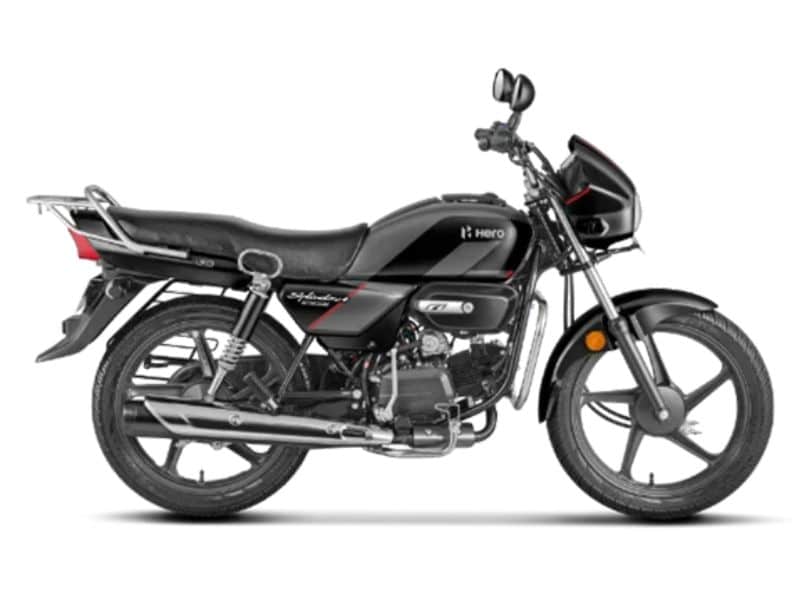
Hero HF Deluxe: Same Logic, Even Less to Lose
If the idea of dropping your first bike during a clumsy U-turn makes you want to spend as little as possible on it, the HF Deluxe is worth a look. It shares the Splendor’s easy, forgiving character at a lower price point, which matters if you’re budgeting for a learner’s permit, insurance, gear, and the bike all at once. A scratched or dented HF Deluxe stings a lot less than a scratched premium bike, and that psychological difference genuinely affects how relaxed a nervous new rider feels in those first few weeks.
Honda Shine 100: Smooth Power for a Confident Start
Honda’s Shine 100 brings a genuinely smooth, predictable throttle response that a lot of new riders specifically appreciate, since sudden or jerky power delivery is one of the more common reasons beginners lose confidence in the first few rides. It carries Honda’s reputation for consistent build quality too, which matters when you’re not yet experienced enough to notice small mechanical issues before they become bigger ones.
Bajaj Platina 100: Comfortable Enough to Not Rush the Learning Curve
New riders often want to get their first few rides over quickly, and that’s exactly when mistakes happen. The Platina’s softer suspension tune makes it comfortable enough over a longer, unhurried practice ride that there’s less temptation to cut a learning session short out of physical discomfort. A rider who’s genuinely relaxed in the saddle learns clutch control and braking modulation faster than one who’s tense and just trying to get the ride over with.
TVS Raider 125: A Bit More Character Without Losing Forgiveness
For a new rider who wants something with a bit more visual presence than a pure entry commuter, the Raider 125 offers sharper styling and noticeably more pep off the line than a 100cc bike, while still keeping power delivery manageable enough for someone still building throttle control. It’s a reasonable step for a rider who’s done some practice already, on a smaller bike or in a controlled space, and wants their actual first purchase to feel a little less basic.
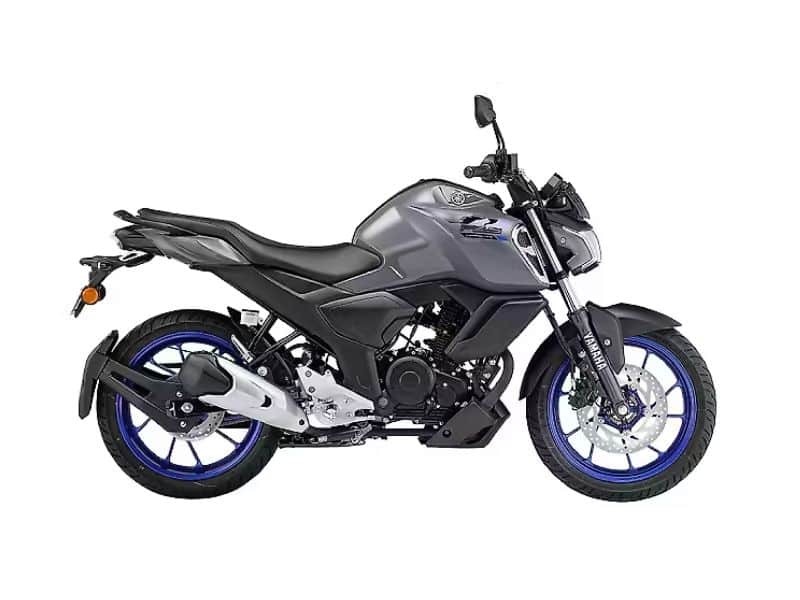
Yamaha FZ-S Fi V4: An Easy Introduction to Naked-Bike Styling
The FZ-S line has built its reputation partly on how approachable it feels despite its muscular styling. A relatively light clutch action and smooth, unhurried power delivery make it genuinely easy to live with in slow traffic, which is exactly the environment where a lot of new riders spend their first months. It looks more grown-up than a basic commuter without asking more of a beginner’s still-developing skills.
Bajaj Pulsar NS125: Streetfighter Looks, Commuter-Level Manageability
Here’s an interesting option for a new rider who’s drawn to sportier styling but knows better than to jump straight onto a full-sized performance bike. The NS125 wraps genuine streetfighter design cues around a 124.45cc engine that stays firmly in manageable territory for someone still learning. It’s a sensible middle ground between “boring but safe” and “exciting but risky” for a slightly more confident first-time buyer.
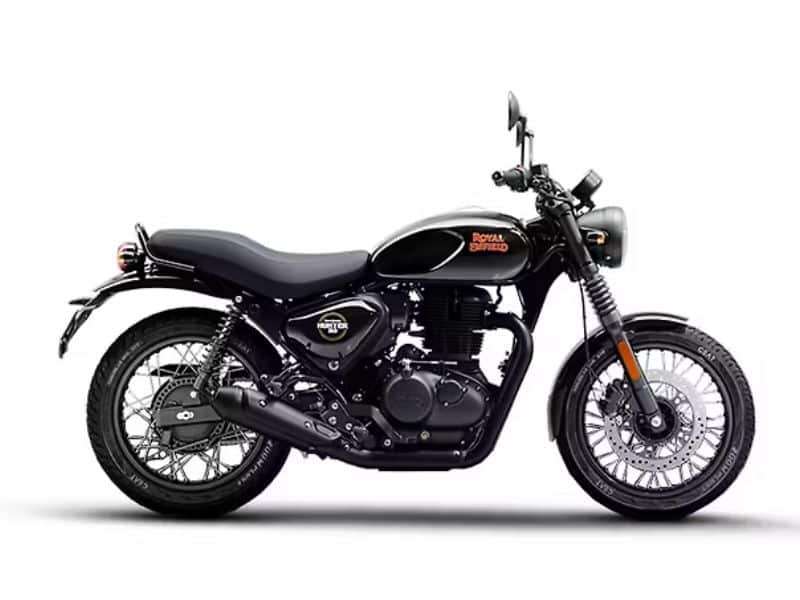
Royal Enfield Hunter 350: The Accessible Way Into a Bigger Bike
This one comes with a genuine caveat, but it’s worth including. The Hunter 350 is the lightest and most accessible motorcycle in Royal Enfield’s 350cc lineup, and some new riders specifically want to start on a bike they’ll actually want to keep for years rather than trade in within twelve months. Its relatively low seat height and more manageable proportions than other Royal Enfields make it a genuinely realistic option for a taller or more physically confident beginner, though it’s still heavier and torquier than every other bike on this list.
A brand-new rider with no prior two-wheeler experience at all should think carefully before starting here. Someone who’s ridden a scooter or smaller bike casually for a while, and wants their first “real” motorcycle to have some staying power, has a reasonable case for it.
Comparison at a Glance
| Motorcycle | Approx. Ex-Showroom Price | Why It Suits a Beginner | Watch Out For |
|---|---|---|---|
| Hero Splendor Plus | ₹72,900–₹77,500 | Light, forgiving, everywhere serviceable | Nothing exciting, purely functional |
| Hero HF Deluxe | ₹58,000–₹85,000 | Lowest financial risk if dropped | Very basic feature set |
| Honda Shine 100 | ₹79,800 | Smooth, predictable throttle response | Slightly pricier than HF Deluxe |
| Bajaj Platina 100 | Entry commuter bracket | Comfortable for longer practice rides | Unremarkable performance |
| TVS Raider 125 | ₹82,000–₹86,000 | More character, still manageable | Firmer ride than pure commuters |
| Yamaha FZ-S Fi V4 | Mid commuter-plus bracket | Light clutch, approachable naked styling | Not the cheapest entry option |
| Bajaj Pulsar NS125 | ₹95,000–₹1.05 lakh | Sporty looks at manageable power | Still needs some throttle discipline |
| Royal Enfield Hunter 350 | ₹1.38 lakh | Genuine long-term keeper, accessible RE | Heavier, needs more rider confidence |
Practical Advice Beyond the Bike Itself
Get proper training before your first real ride, not just a friend’s quick tutorial in an empty lot. A structured riding course, where available, builds fundamentals like clutch-brake coordination and emergency braking far more reliably than informal practice alone.
Buy full-face or at least a proper open-face helmet before you buy the bike, not after. New riders are statistically more likely to have a low-speed spill in their first few months than at any other point in their riding life, and the helmet needs to be on your head before that first ride, not on a shopping list for later.
Don’t oversize your first bike to save money on upgrading later. A beginner on a bike that’s too powerful or too heavy for their current skill level is genuinely more likely to have a serious incident than one who starts appropriately sized and upgrades once real skill is in place.
If you want the lowest-risk, lowest-cost way to actually learn to ride, start with a Hero Splendor Plus or HF Deluxe, neither will excite you, and that’s the entire point of a genuine first bike. Riders who want a bit more visual presence without sacrificing manageability should look at the TVS Raider 125 or Yamaha FZ-S Fi V4. If you’re specifically drawn to sportier streetfighter styling but know better than to start on a full-sized performance bike, the Bajaj Pulsar NS125 is a sensible middle ground. And if you’ve got some prior two-wheeler confidence and want your first “real” motorcycle to be one you’ll actually keep for years, the Royal Enfield Hunter 350 is worth serious consideration, just go in aware it asks a bit more of you than everything else on this list.
Frequently Asked Questions
Is a 100cc bike too underpowered for a first motorcycle?
No, and for most new riders it’s actually the right starting point. The lower power output makes throttle control easier to learn safely, and the riding skills that transfer to a bigger bike later, clutch feel, braking modulation, cornering lines, develop just as well on a 100cc commuter as on anything larger.
Should a first-time rider consider a scooter instead of a motorcycle?
A scooter’s automatic transmission removes clutch and gear-shifting from the learning process entirely, which some new riders find genuinely easier as a very first two-wheeler. If your goal is specifically to learn manual clutch and gear control, though, starting directly on a light, forgiving motorcycle like those above makes more sense than delaying that skill to a second bike.
Is the Royal Enfield Hunter 350 really a sensible first motorcycle?
It can work for a taller, more physically confident beginner who’s had at least some prior two-wheeler experience, since its lower seat height and lighter build than other Royal Enfields make it more approachable than the segment’s reputation suggests. A rider with zero prior experience is generally better served starting on something lighter from this list first.