
Tata has not published a detailed, Sierra EV-specific service schedule with exact kilometre intervals and itemised costs at the time of writing. What follows is what’s actually confirmed, what genuinely applies to any Tata EV built on the Acti.EV+ platform, and what’s still an open question that needs Tata’s official service booklet to answer properly.
What’s Officially Confirmed So Far
Tata has confirmed the Sierra EV carries a lifetime high-voltage battery warranty, applicable to the first registered owner for the initial 15 years of the vehicle’s life. This is the single most financially significant coverage detail for any EV buyer, since the battery pack is by far the most expensive component to replace outside warranty.
Beyond that, Tata has not released a published, itemised service schedule specifically naming Sierra EV service intervals, per-visit costs, or a year-by-year cost table.
What EV Maintenance Generally Involves
While Sierra EV-specific numbers aren’t confirmed yet, the broad shape of what a periodic EV service covers is well established across Tata’s existing EV lineup, including the Nexon EV and Harrier EV, both of which share underlying architecture and componentry philosophy with the Sierra EV.
🚀 Join Our Tech Community!
Get the latest news, updates, and tech trends delivered straight to your phone. Never miss an update!
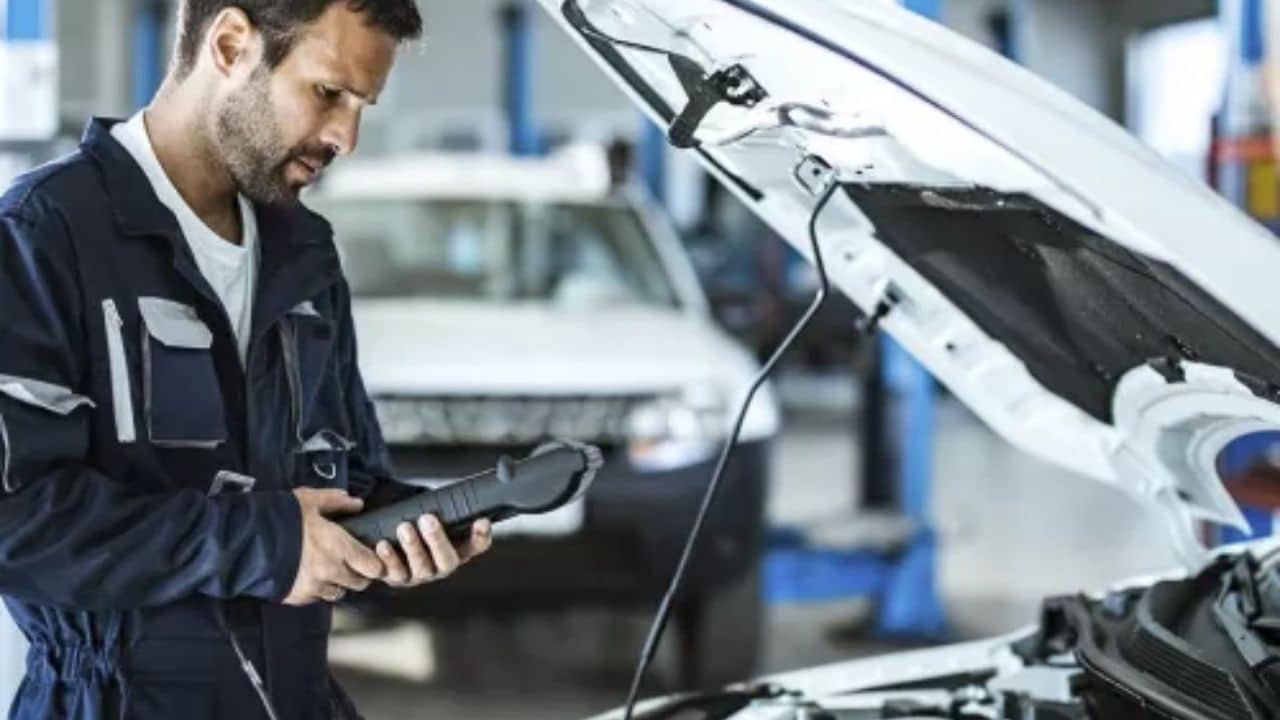
A typical EV service visit covers a multi-point inspection, a check of the brake fluid, a coolant top-up for the high-voltage battery’s thermal management loop, a software update where applicable, and a health check of the separate 12V auxiliary battery that runs the car’s low-voltage electronics. None of this involves an engine oil change, a spark plug swap, or exhaust system work, since none of those components exist on an EV.
Why EV Service Visits Are Different From a Petrol Car’s
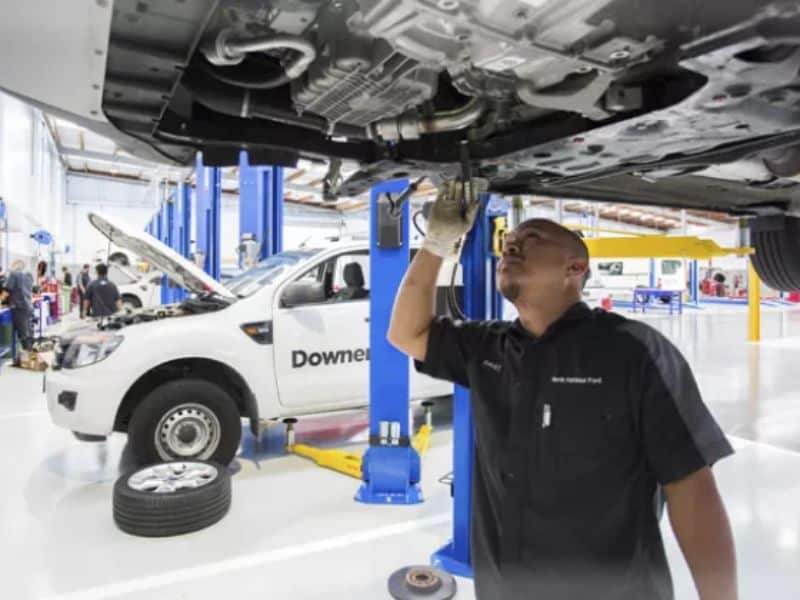
The absence of an internal combustion engine removes most of what a petrol or diesel Sierra would need at every service. There’s no oil to change, no air filter tied to combustion, and no exhaust or catalytic converter to inspect. What replaces that list is smaller and less frequent: coolant for the battery pack, brake system checks, and periodic diagnostics on the motor and inverter electronics.
Brake pads on the Sierra EV should also last noticeably longer than on a comparable petrol SUV, since regenerative braking does much of the day-to-day slowing down, meaning the friction brakes see less use in normal city driving. This is one of the genuine, structural reasons EV maintenance tends to cost less over time, not just a marketing talking point.
The 12V Battery Is Easy to Forget
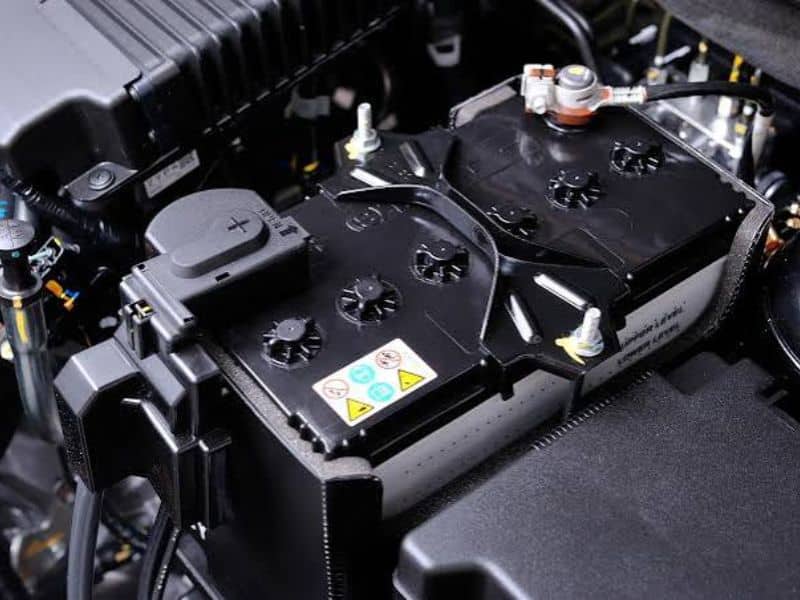
Every EV, the Sierra EV included, still runs a conventional 12V lead-acid or lithium auxiliary battery to power lights, the infotainment system, and other low-voltage electronics separately from the main traction battery. This smaller battery typically needs replacement every three to four years, similar to a 12V battery in a petrol car, and it’s genuinely easy for owners to forget about since all the attention naturally goes to the high-voltage pack.
A dead 12V battery can leave an EV unable to start even with a fully charged main battery, which catches some first-time EV owners off guard. Getting this checked at every scheduled service, rather than waiting for it to fail unannounced, is worth flagging explicitly.
Tyre Wear Deserves More Attention Than on a Petrol Car
Electric SUVs, including the Sierra EV, tend to be heavier than a comparable petrol or diesel equivalent because of the battery pack’s weight, and they deliver instant torque from a standstill. Both factors combine to wear tyres somewhat faster than on an equivalent ICE vehicle. Regular tyre rotation, correct inflation pressure, and keeping an eye on tread depth matter more here than owners coming from a petrol SUV might expect, and it’s worth budgeting for slightly earlier tyre replacement than petrol-car ownership experience would suggest.
Reduction Gear Oil: A Small but Real Line Item
Unlike a multi-speed transmission in a petrol car, the Sierra EV’s motor drives the wheels through a single-speed reduction gear. This does use its own lubricating oil, separate from any engine oil, and it’s generally a low-frequency, low-cost check rather than something requiring regular replacement. It’s still worth confirming with Tata’s service centre what the recommended interval is for this specific component once the official schedule is published.
Software Updates as Part of Maintenance
Given the Sierra EV’s triple-screen digital layout and connected features through Tata’s app ecosystem, scheduled service visits are also likely to include software and firmware updates for the infotainment system and vehicle control units, similar to how Tata handles updates on the Nexon EV and Harrier EV. These updates can occasionally improve real-world range calculation accuracy or fix minor software bugs, making them worth keeping current even though they don’t involve any physical component.
Practical Advice Until the Official Schedule Is Published
Until Tata releases the Sierra EV’s specific service booklet with confirmed intervals and costs, the safest approach for new owners is to follow whatever schedule is printed in the owner’s manual that ships with the vehicle, and to keep the annual service appointment on the calendar even though EVs feel comparatively maintenance-free between visits. Skipping a scheduled check can complicate warranty claims later, particularly anything related to the battery pack, even though the battery itself carries lifetime coverage for the first owner.
Frequently Asked Questions
Does the Tata Sierra EV need regular oil changes?
No. The Sierra EV has no internal combustion engine, so there’s no engine oil to change. The single-speed reduction gear uses its own lubricant, but this is a low-frequency check, not a regular service item like engine oil.
How often should the Tata Sierra EV’s 12V battery be checked?
The auxiliary 12V battery, separate from the main traction battery, typically needs attention or replacement every three to four years, similar to a conventional car battery, and should be checked at every scheduled service visit.
Does the Sierra EV’s battery warranty cover the whole ownership period?
Tata offers a lifetime high-voltage battery warranty on the Sierra EV, but it applies only to the first registered owner and is valid for the initial 15 years of the vehicle’s life, not to subsequent owners after resale.