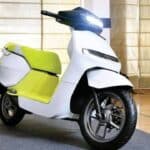


Buying an EV in India in 2026 does not come with one fixed discount. What you save depends heavily on which state you register in, what kind of vehicle you are buying, and whether the central scheme still has funds left to disburse. A buyer in Delhi and a buyer in Bihar can end up with very different on-road prices for the same electric scooter, purely because of where the RTO paperwork gets filed.
This guide breaks down what is actually active right now, separating the central government’s PM E-DRIVE scheme from individual state policies, since the two work independently and readers frequently mix them up.
What Happened to the Central Subsidy (PM E-DRIVE)?
The PM E-DRIVE scheme replaced FAME II in October 2024 with a total outlay that was later raised to ₹11,900 crore. For electric two-wheelers specifically, the story has moved fast this year. The per-vehicle incentive was cut from ₹5,000/kWh (capped at ₹10,000) to ₹2,500/kWh (capped at ₹5,000) from April 2025, and the scheme’s window for e-2Ws was extended once, from March 31, 2026 to July 31, 2026.
That extension has now lapsed. As of this writing in mid-August 2026, there is no fresh central subsidy on electric two-wheelers. If you buy an electric scooter or motorcycle today, expect to pay closer to the full ex-factory price unless your state government has its own top-up scheme running.
🚀 Join Our Tech Community!
Get the latest news, updates, and tech trends delivered straight to your phone. Never miss an update!
Electric three-wheelers are a different story. That segment continues to receive PM E-DRIVE support of ₹2,500/kWh, capped at ₹5,000, through March 31, 2028. Electric cars were never covered by a direct PM E-DRIVE cash subsidy in the first place. Their central-level benefit comes through GST instead: EVs attract 5% GST against 18-40% for petrol, diesel, and hybrid vehicles, and this is a genuine, ongoing saving baked into the on-road price rather than a claimable incentive.
State-Wise EV Subsidies: The Current Picture
State policies are where most of the real savings sit today, especially for four-wheelers, since the central two-wheeler cash incentive has ended. Here is where the major states stand.
| State | Road Tax | Registration Fee | Purchase Incentive |
|---|---|---|---|
| Delhi | 100% exemption | 100% waiver | Delhi EV Policy 2026 shifts focus from cash subsidy toward mandated fleet electrification and phased ICE registration limits; scrappage incentives remain among the highest in the country |
| Maharashtra | 100% exemption (till March 2030) | 100% waiver | No direct per-kWh purchase subsidy under the 2025-2030 policy; savings come mainly through the tax waivers, plus a scrappage bonus and early-bird incentives on select categories |
| Gujarat | Concessional 1% motor vehicle tax window closed March 31, 2026 | Partial relief in earlier notifications | A revised policy with a reported zero-RTO-tax structure is said to be in the works. |
| Karnataka | Exemption on registration and road tax continues under the state’s EV-friendly framework | Exempted | Karnataka’s approach leans on ecosystem support (charging infrastructure, manufacturing incentives) over large direct cash discounts |
| Tamil Nadu | Road tax exemption has historically run through 2025; confirm current validity before purchase | Standard | Two-wheeler incentive structured per kWh of battery capacity in past notifications; Tamil Nadu positions itself primarily as an EV manufacturing hub |
| Telangana | 100% exemption through December 31, 2026 | 100% exemption | Straightforward blanket exemption model rather than a per-kWh cash incentive |
This table reflects the general shape of each policy as of August 2026. State EV policies get revised often, sometimes mid-financial-year, so treat the incentive amount as a starting point and always ask your dealer for the current on-road price breakup in writing before booking.
Why the Registration State Matters So Much
An EV subsidy is really a bundle of three separate benefits, not one flat number: a purchase-stage incentive (where one still exists), a registration-stage road tax and fee waiver, and broader ecosystem support like charging infrastructure that does not show up on your invoice but affects usability. States decide the first two independently, which is why the same Tata or Ather model can carry a noticeably different on-road price across two neighbouring states.
This also creates a real, if narrow, loophole some buyers try to use: registering a vehicle in a more generous state while actually using it elsewhere. Most state policies, including Delhi’s, require the vehicle to stay registered in that state for a minimum period, often five years, and re-registering elsewhere within that window can trigger a refund demand for the subsidy already claimed. It is not worth the risk for a one-time saving.
How to Actually Claim These Benefits
For most private buyers, the process is simpler than it sounds:
- Purchase-stage incentives (where applicable) are usually deducted from the invoice directly by the dealer, not reimbursed to you later.
- Road tax and registration fee exemptions are applied automatically at the RTO when the dealer files the registration with an EV declaration, typically through Form 20.
- Scrappage bonuses need a separate step: upload your Vahan-registered scrappage certificate through the relevant state EV portal, usually within a defined window after registration.
Before signing anything, confirm three things with the dealer whether your specific variant is on the state’s approved model list (several states maintain one), whether the price cap for eligibility excludes your variant, and whether the quoted on-road price already reflects the subsidy or expects you to claim it separately.
Frequently Asked Questions
Is the central government subsidy on electric two-wheelers still available in August 2026?
No. The PM E-DRIVE demand incentive for electric two-wheelers ended on July 31, 2026, after one extension from its original March 2026 deadline. New two-wheeler purchases from August 2026 onward do not get this central cash incentive, though state-level benefits may still apply.
Do electric cars get a central purchase subsidy in India?
No, electric cars have never had a direct PM E-DRIVE cash incentive. Their central-level benefit is the 5% GST rate, which is significantly lower than the GST charged on petrol, diesel, and hybrid vehicles.
Which state currently offers the best EV incentives?
Delhi, Maharashtra, and Telangana currently offer the strongest combination of road tax and registration fee exemptions, though the structure differs. Delhi’s 2026 policy leans toward mandates and scrappage incentives rather than large purchase subsidies, while Maharashtra relies almost entirely on tax waivers rather than a per-kWh cash payout.
Can I register my EV in a different state to get a better subsidy?
Technically possible, but most state policies require the vehicle to remain registered in that state for several years, and moving it out early can mean refunding the subsidy. This is not a reliable way to save money.