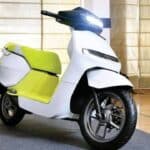


Ask five different riders what the best motorcycle is and you’ll get five different answers, and all five could be correct for their own situation. The mistake most first-time buyers make isn’t picking a bad bike, it’s picking the wrong category of bike for how they actually ride. A sports motorcycle bought for a 15 km daily commute in bumper-to-bumper traffic will frustrate its owner within a month. A commuter bought by someone who dreamed of weekend highway runs will feel underpowered the first time they try to overtake on an expressway.
This works backward from use case rather than budget or brand. Figure out which category matches your actual riding pattern first, and the budget conversation becomes much easier afterward.
Start With Honest Questions About How You’ll Ride
Before looking at a single spec sheet, answer these for yourself: What’s your daily commute distance and is it mostly city traffic or open roads? Do you ride solo or carry a pillion regularly? Is this your only bike or a second one for weekend use? Do you care more about how the bike looks parked outside your office or how it feels at 100 km/h on a highway? There’s no wrong answer here, but being honest about it now saves you from an expensive re-sale six months later.
Commuter Motorcycles: Built for the Daily Grind
Definition and role:
Commuter motorcycles exist for one purpose, moving you efficiently and cheaply between two points, usually home and work, day after day. Everything about their engineering, from a smaller displacement engine to an upright, relaxed seating position, is tuned around that single job.
🚀 Join Our Tech Community!
Get the latest news, updates, and tech trends delivered straight to your phone. Never miss an update!
What they’re good at:
Fuel efficiency is the standout strength here, commuter bikes routinely return the best kmpl figures in the entire two-wheeler market. They’re also light, easy to filter through traffic on, simple to maintain, and generally the cheapest category to insure and service. For a rider navigating bumper-to-bumper city traffic every single day, a commuter’s low seat height and light clutch feel (or no clutch at all, for scooters) genuinely reduces fatigue.
Where they fall short:
Highway performance is functional at best. Most commuters can sustain 80-90 km/h but feel strained beyond that, and overtaking on a two-lane highway requires more planning than it would on a more powerful bike. Ride quality on long stretches is also basic, since the suspension is tuned for potholes and speed breakers rather than sustained high-speed stability, and wind protection is essentially absent.
Who this suits:
Daily commuters with journeys under 25-30 km each way, delivery and gig-economy riders who need to minimize running cost above everything else, and first-time riders who want the lowest-risk entry into owning a motorcycle. If 90% of your riding happens within city limits, a commuter covers that need completely and economically.
Sports Motorcycles: Built for Speed and Engagement
Definition and role:
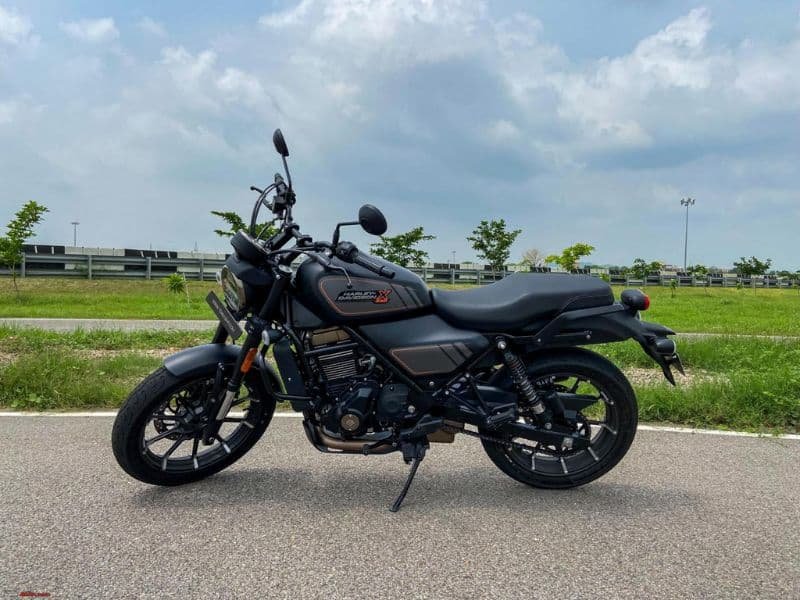
Sports motorcycles, sometimes called sportbikes, prioritize acceleration, cornering ability, and outright performance. Their forward-leaning, aggressive riding posture and aerodynamic fairings are functional choices, not just styling, aimed at reducing wind resistance and shifting rider weight for better handling at speed.
What they’re good at:
Acceleration and cornering are where this category genuinely earns its reputation. Higher-revving engines relative to their displacement, sport-tuned suspension, and stronger brakes make these bikes engaging in a way commuters simply aren’t built to be. For a rider who genuinely enjoys the mechanics of riding, quick direction changes, confident braking, a responsive throttle, this is the category that delivers.
Where they fall short:
The riding posture that helps on a race track becomes a liability on a daily commute. Leaning forward for an hour in traffic strains the wrists and lower back in a way an upright commuter never will. Fuel efficiency also drops noticeably compared to commuter bikes, and the low ground clearance and stiffer suspension on true sports bikes don’t cope well with poorly maintained roads or speed breakers taken at the wrong angle.
Who this suits:
Riding enthusiasts who value performance and handling as much as, or more than, practicality, and younger buyers drawn to the styling and sense of occasion these bikes bring. This category works best as a primary bike for someone with a relatively short, manageable commute, or as a dedicated weekend machine for someone who already has a practical bike for daily duties.
Cruiser Motorcycles: Built for Relaxed, Long-Distance Comfort
Definition and role:
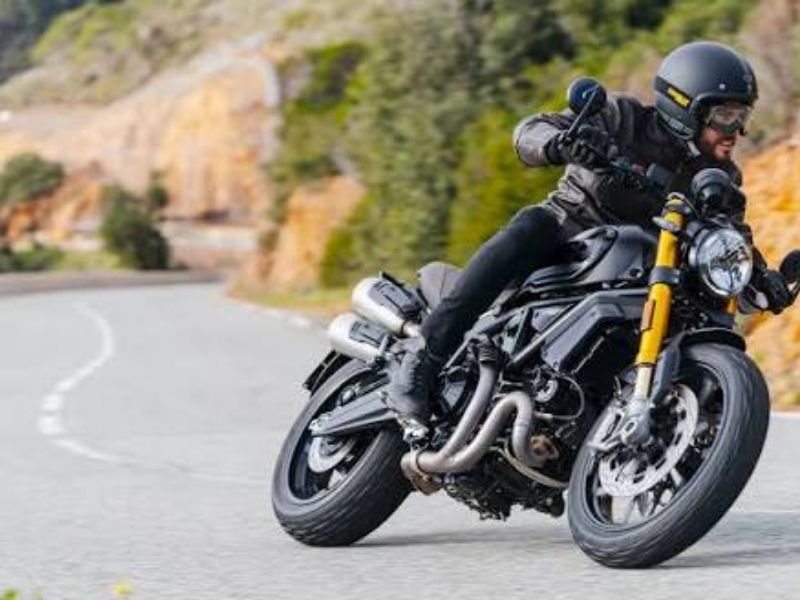
Cruisers flip the sports-bike formula on its head. Instead of a forward lean and high-revving performance, they offer a low seat height, forward-set footpegs, and a laid-back riding posture built around comfort over long distances, with an emphasis on low-end torque rather than outright top-end power.
What they’re good at:
Long highway stretches are where cruisers feel most at home. The relaxed posture reduces rider fatigue significantly compared to a sports bike’s forward lean, and the emphasis on torque over revs means smooth, unhurried acceleration that doesn’t demand the engine be worked hard. Many cruisers, particularly in the Royal Enfield mould that dominates this category in India, also carry a distinct engine character and sound that riders in this segment specifically seek out.
Where they fall short:
Size and weight work against cruisers in dense city traffic. Filtering through narrow gaps in bumper-to-bumper conditions is noticeably harder on a heavier cruiser than on a lightweight commuter, and tight U-turns or reverse-parking a heavier machine takes more confidence and practice. Fuel efficiency also tends to sit below commuter figures, since these engines aren’t primarily tuned for kmpl.
Who this suits:
Riders planning genuine long-distance highway touring or weekend rides who value comfort over agility, and buyers drawn specifically to the cruiser ownership culture and community, which for many owners is as much a part of the appeal as the riding experience itself. This category suits someone whose daily riding is lighter and whose weekend riding is heavier, rather than the reverse.
Adventure Motorcycles: Built to Go Anywhere
Definition and role:
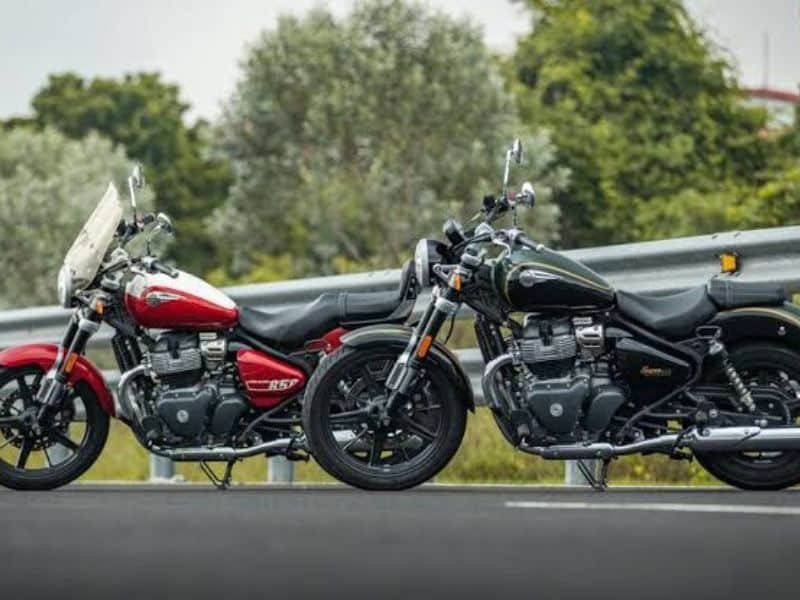
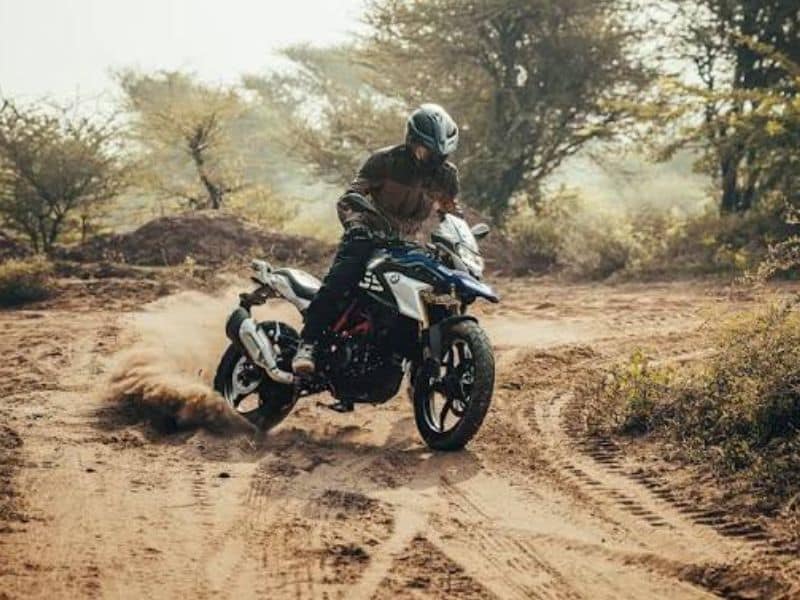
Adventure motorcycles, often shortened to ADV bikes, are engineered to handle a genuine mix of paved roads, unpaved rural stretches, and light off-road terrain. Long-travel suspension, rugged build quality, and an upright, commanding riding position that works both seated and standing define this category.
What they’re good at:
Versatility is the core strength. An adventure bike is comfortable cruising on a highway, capable of handling a rough, broken rural road without drama, and confident enough on light off-road trails that a lot of touring riders in hilly or remote parts of India specifically choose this category for exactly that reason. Larger fuel tanks also mean fewer stops on long-distance rides, a genuine practical advantage for touring.
Where they fall short:
Seat height is often the first obstacle, many adventure bikes sit tall enough that shorter riders struggle to get both feet flat on the ground at a stop, which matters more than spec-sheet browsers usually expect. These bikes also run heavier and cost more than an equivalent commuter or even most sports and cruiser options, and that added weight makes low-speed city maneuvering less effortless.
Who this suits:
Touring enthusiasts who genuinely ride beyond paved city roads, riders in hilly or remote regions where road quality varies significantly, and buyers who want one motorcycle capable of handling both a highway trip and a rough patch of road without switching bikes. This is rarely the right choice for someone whose riding is 90% short city commutes.
Motorcycle Type Comparison
| Type | Riding Posture | Best For | Weakest At |
|---|---|---|---|
| Commuter | Upright, relaxed | Daily city commuting, low running cost | Highway speed, overtaking |
| Sports | Forward-leaning, aggressive | Acceleration, cornering, engagement | Long commutes, comfort, mileage |
| Cruiser | Low, feet-forward, relaxed | Highway touring, comfort | City traffic, tight maneuvering |
| Adventure | Upright, commanding | Mixed road and light off-road touring | Seat height, city agility, weight |
What Most Buyers Get Wrong
Buying for the image, not the commute. A sports bike looks sharp parked outside the office, but if the actual daily ride is 12 km through dense traffic, that same bike becomes a source of wrist pain and frustration rather than enjoyment. Match the category to the ride you’ll actually do five days a week, not the ride you’ll do occasionally.
Underestimating pillion needs. If you regularly carry a pillion, sports bikes and some adventure bikes offer cramped rear seating that’s genuinely uncomfortable over any real distance. Commuters and cruisers generally handle two-up riding far more comfortably.
Ignoring seat height on adventure bikes. This is the single most common regret among adventure-bike buyers of shorter stature. Always sit on the actual bike, ideally with the fuel tank at a realistic level, before committing, spec sheets alone don’t convey how a tall seat height feels at a red light in traffic.
Assuming a bigger engine always means a better bike. Displacement is only one variable. A well-sorted 125cc commuter can be the objectively right motorcycle for someone whose needs are pure city commuting, regardless of how much more exciting a 300cc sports bike looks on paper.
Frequently Asked Questions
Can one motorcycle type cover both daily commuting and weekend touring well?
Adventure motorcycles come closest to genuinely covering both use cases, since their upright posture and comfortable ergonomics work reasonably well in city traffic while still handling long highway and rough-road stretches. No single category is perfect at both extremes, but ADV bikes are the most balanced compromise if you can only own one bike.
Is a cruiser a good first motorcycle for a new rider?
It can be, but the weight and size of most cruisers make low-speed control, tight U-turns, slow filtering through traffic, genuinely harder to learn on than a lighter commuter. A new rider who specifically wants the cruiser riding experience should factor in extra practice time for low-speed handling before committing.
Do sports motorcycles make sense for daily use in Indian cities?
Only for a short, manageable commute. The forward-leaning posture causes real discomfort over an hour or more in stop-start traffic, and low ground clearance on true sports bikes doesn’t cope well with speed breakers and potholes. For anything beyond a short daily ride, a naked or street version of a sports bike, with a more upright posture, is usually a better real-world compromise.