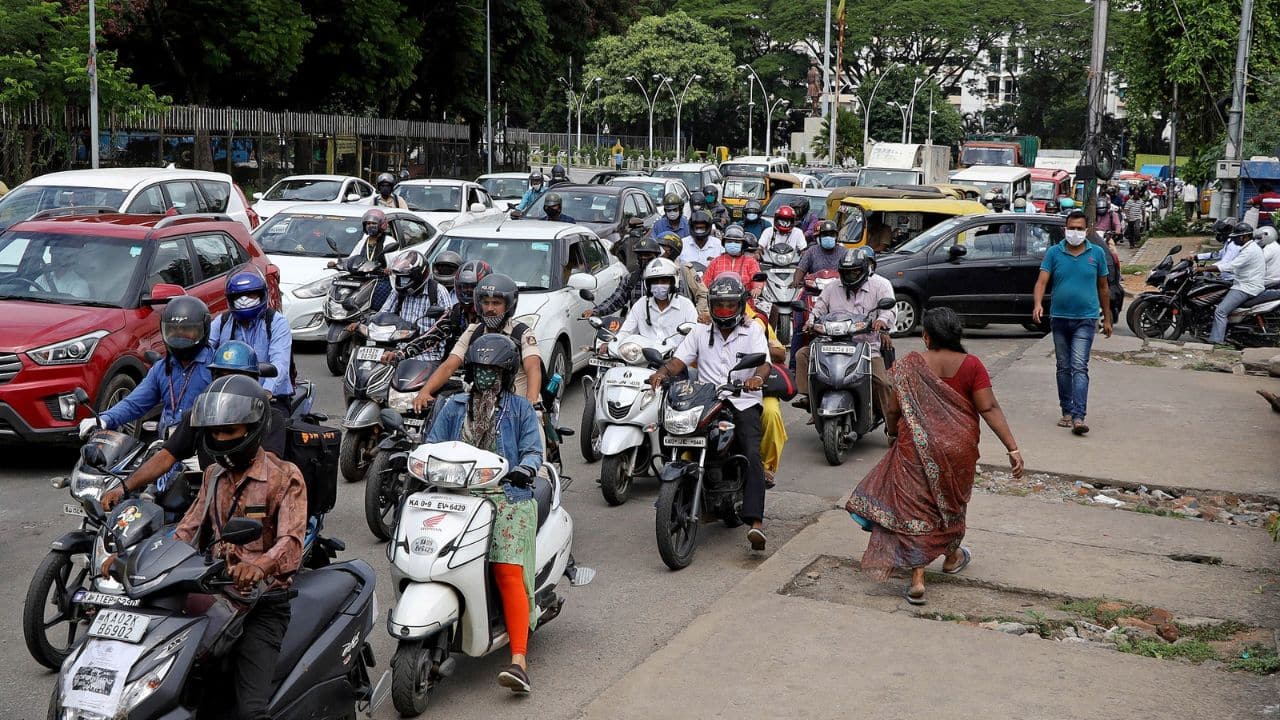

A daily office commute is a different test than the mileage charts usually measure. You’re riding the same stretch five or six days a week, often in formal or semi-formal clothes, frequently carrying a laptop bag, and dealing with the exact same traffic signals and bottlenecks every single morning. Mileage still matters here, but so does how tired your wrists feel after twenty minutes of stop-start crawling, how easily you can balance the bike at a signal while checking your phone, and whether the bike actually looks appropriate parked outside an office building.
This guide focuses specifically on that use case rather than repeating a general mileage or budget ranking. A few names below will look familiar from our other commuter guides, but the reasoning here is about daily traffic fatigue and office practicality, not just kmpl.
What Actually Matters for an Office Commute Specifically
Riding posture that doesn’t fight your clothes: An aggressive, forward-leaning bike works against formal trousers and a laptop backpack in a way an upright commuter simply doesn’t. Low-speed balance and easy clutch modulation matter more here than almost anywhere else, since a typical office commute involves far more stop-start crawling than open riding. Underseat or luggage-hook storage genuinely helps if you’re carrying a bag daily rather than wearing it on your back the entire ride. And a seat that stays comfortable after twenty to thirty minutes, not just five, deserves more weight than most buyers give it.
Hero Splendor Plus: The Safe, Unremarkable Default
There’s a reason this bike anchors so many commuter recommendations, and the office use case is no exception. Its upright riding position works fine in formal wear, the light clutch action makes creeping through a traffic jam genuinely less tiring than on a heavier bike, and the seat, while basic, holds up reasonably well over a typical 20 to 30 minute commute without causing real discomfort.
🚀 Join Our Tech Community!
Get the latest news, updates, and tech trends delivered straight to your phone. Never miss an update!
It won’t turn heads in the office parking area, and that’s fine, this is a bike built to disappear into the background of your daily routine rather than draw attention to itself.
Honda Shine 100: Smoothest Throttle for Stop-Start Traffic
If your commute is dominated by heavy, unpredictable traffic rather than open stretches, the Shine 100’s genuinely smooth, predictable throttle response is worth prioritizing. Jerky power delivery is exhausting over a long stop-start crawl, since every small throttle correction becomes a tiny burst of tension, and Honda’s tuning here noticeably reduces that fatigue compared to punchier alternatives.
Honda’s reputation for consistent build quality also matters for a bike you’re relying on every single workday, a breakdown on a random weekend ride is an inconvenience, a breakdown on the way to an important meeting is a genuine problem.
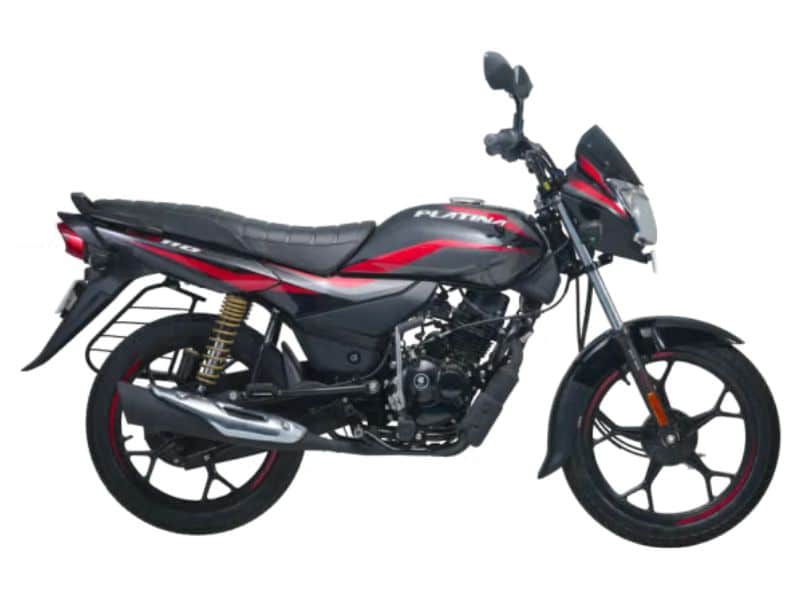
Bajaj Platina 110: Best for a Longer, Rougher Commute
For office commuters whose route isn’t a smooth city arterial road, broken patches, speed breakers, or semi-urban stretches on the way in, the Platina’s specifically softer suspension tuning pays off directly. A rider who commutes 25 to 30 minutes each way over uneven roads will feel noticeably less fatigued on this bike than on a firmer-riding rival covering the identical distance.
TVS Radeon: Built Around Comfort From the Ground Up
TVS specifically positioned the Radeon around ergonomic comfort rather than pure mileage or styling, and it shows on a genuine daily commute. The seating position and cushioning are tuned for a longer ride than a typical short-hop commuter, and higher trims add a front disc brake and full LCD dashboard, useful conveniences for a rider checking trip data or fuel level during a routine morning ride rather than as an occasional novelty.
Honda SP125: When Your Commute Includes a Flyover or Highway Stretch
Not every office commute is pure city traffic. If yours includes a flyover, an expressway stretch, or a section where you need genuine mid-range pull to merge safely, the SP125’s extra displacement over a 100cc commuter earns its keep here specifically. Riders who’ve switched from a 100cc bike to this one for a commute involving faster-moving traffic consistently describe feeling less exposed during merges and overtakes, a real safety consideration on a route you’re riding daily regardless of traffic conditions.
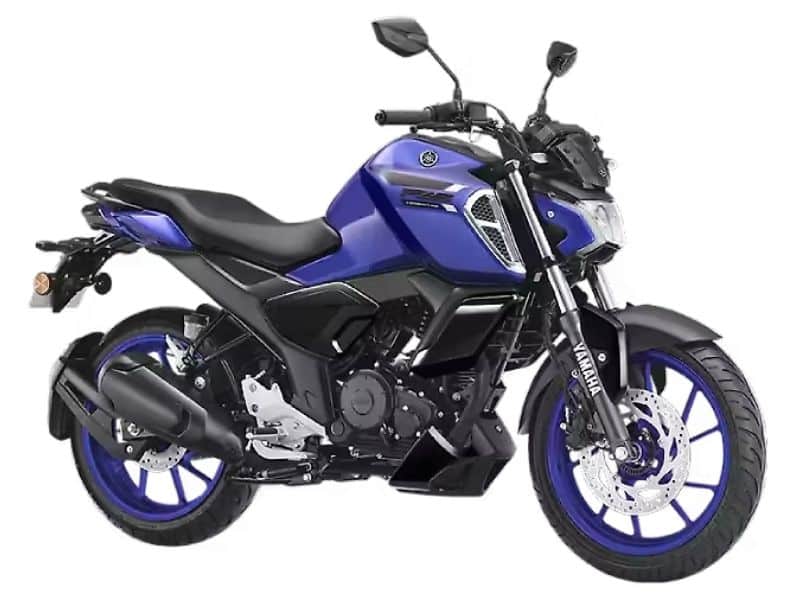
Yamaha FZ-S Fi V4: For Commuters Who Want to Look a Bit More Put-Together
Some office commuters specifically don’t want to arrive on a bike that reads as a basic entry-level commuter, without wanting the discomfort of a genuinely sporty bike either. The FZ-S Fi V4’s muscular but still upright design threads that needle reasonably well, and its relatively light clutch action keeps daily traffic manageable despite the sportier looks. It’s a sensible pick for a commuter who cares a bit about how the bike looks parked outside the office without sacrificing the practical riding qualities a daily commute demands.
TVS Raider 125: A Bit of Personality Without Losing Practicality
For a younger office commuter who wants their bike to have some visual character, the Raider 125 offers sharper styling and noticeably more pep than a pure 100cc commuter, while keeping the core ergonomics practical enough for daily use. The ride is slightly firmer than the Radeon or Platina, worth a test ride if your specific route includes a lot of rough patches, but for a mostly smooth city commute it’s a reasonable balance of practicality and style.
What Most Office Commuters Get Wrong When Choosing
Prioritizing looks over low-speed comfort: A bike that looks sharp in a showroom photo can feel genuinely tiring after two weeks of daily stop-start traffic if the clutch is heavy or the seat isn’t built for repeated use. Test ride during an actual traffic-adjacent time of day if possible, not just a quiet showroom lot.
Ignoring storage needs entirely: If you carry a laptop or files daily, riding with a heavy backpack every single day adds up in shoulder and back fatigue that a bike with a usable underseat compartment or luggage hook genuinely helps avoid.
Underestimating how much a rough commute route matters: A bike that’s fine on a smooth demo ride can feel very different on your actual daily route if it includes broken patches your test ride didn’t cover. Where possible, ride the actual bike over a stretch that resembles your real commute before committing.
Comparison at a Glance
| Motorcycle | Best Commute Trait | Approx. Ex-Showroom Price |
|---|---|---|
| Hero Splendor Plus | Reliable, unremarkable, easy daily use | ₹72,900–₹77,500 |
| Honda Shine 100 | Smoothest throttle in heavy traffic | ₹79,800 |
| Bajaj Platina 110 | Comfort on rough, uneven commute routes | ~₹72,900 |
| TVS Radeon | Ergonomics built specifically for comfort | Mid commuter bracket |
| Honda SP125 | Mid-range pull for flyover/highway sections | ~₹89,000 |
| Yamaha FZ-S Fi V4 | Muscular styling with practical low-speed manners | Mid commuter-plus bracket |
| TVS Raider 125 | Style and pep without losing practicality | ₹82,000–₹86,000 |
Frequently Asked Questions
Does riding posture actually matter for a short office commute, or only for long rides?
It matters more than most riders expect, even on a short commute, since the same posture repeats daily rather than occasionally. A slightly uncomfortable riding position on a single weekend ride is a minor annoyance, the same discomfort repeated twice daily, five days a week, compounds into a genuine ongoing issue.
Is a 125cc bike worth it for a purely city-traffic office commute with no highway stretch?
Not necessarily. If your entire commute is dense city traffic with no faster-moving sections, a well-chosen 100cc commuter handles that just as well and typically returns better mileage. The extra displacement earns its value specifically when your route includes flyovers, expressway stretches, or regular merging into faster traffic.
Should I prioritize underseat storage if I already wear a backpack every day?
If your backpack is genuinely light, a laptop and a few essentials, it may not matter much either way. If you regularly carry heavier loads, files, a change of clothes, gym gear, a bike with usable storage meaningfully reduces daily physical strain compared to carrying that weight on your back for the entire ride, every single day.