

Registering the Tata Sierra EV follows the same core RTO process as any electric passenger vehicle in India, but the actual on-road cost depends heavily on which state you register it in. State EV subsidies and road tax exemptions change often enough that any specific rupee figure quoted here risks going stale within months, so this guide focuses on the stable parts of the process and flags exactly where you need to verify current numbers before booking.
How Registration Works at the RTO
Like every new vehicle sold in India, the Sierra EV needs to be registered with the Regional Transport Office (RTO) in the buyer’s home state before it can legally be driven. In practice, the Tata dealership handles most of this paperwork on the buyer’s behalf, filing Form 20 along with the vehicle’s invoice, the buyer’s identity and address proof, and insurance documentation.
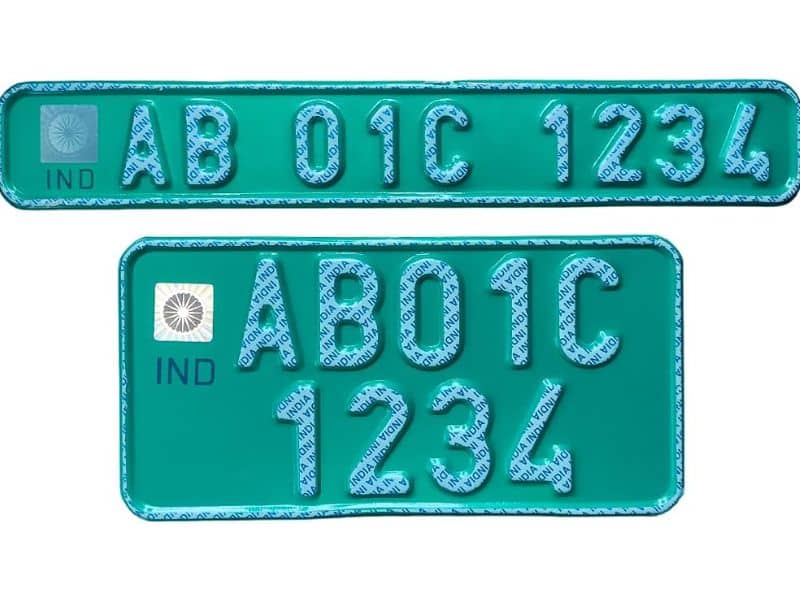
Because it’s a pure electric vehicle, the Sierra EV is eligible for a distinctive green number plate rather than the standard white-on-black or yellow-on-black plates used for petrol, diesel, and commercial vehicles. The green background with white lettering is a visual marker that lets traffic police and toll operators identify EVs at a glance, which matters in states offering EVs specific toll exemptions or dedicated parking benefits.
GST and Central-Level Treatment
Electric vehicles, including the Sierra EV, attract 5% GST at the point of sale, compared to 28% plus applicable cess on most petrol and diesel passenger vehicles. This GST differential is a central, national-level benefit that applies regardless of which state the vehicle is registered in, and it’s already baked into the ex-showroom price you see when booking.
🚀 Join Our Tech Community!
Get the latest news, updates, and tech trends delivered straight to your phone. Never miss an update!
It’s worth being clear about one thing many buyers get confused about: the central government’s PM E-DRIVE scheme, which offers direct purchase incentives, applies to electric two-wheelers, three-wheelers, buses, and certain commercial categories, not to private electric passenger cars like the Sierra EV. The reasoning the government has given is that private electric cars already benefit from the concessional GST rate instead. Any additional financial benefit beyond that 5% GST for a Sierra EV buyer comes from state-level policy, not the central government directly.
Road Tax: Why It Varies So Much by State
Road tax in India is a state subject, meaning each state sets its own rate and its own EV exemption policy independently. Several states currently offer a full or partial road tax waiver specifically for electric vehicles as a way of encouraging adoption, but the exact percentage, the vehicle price cap it applies to, and how long the waiver stays in effect all differ by state and get revised periodically.
This is exactly the kind of detail that shouldn’t be taken on faith from any single online source, including this one, without a direct check. The most reliable way to confirm current road tax treatment for the Sierra EV in your state is to ask the Tata dealership directly what figure is reflected in the on-road price quote, since dealers file the registration and are required to apply whatever exemption is currently active.
How State EV Subsidies Generally Work
Separate from road tax waivers, some states also offer a direct purchase subsidy for electric four-wheelers, typically structured as a fixed amount per kWh of battery capacity, capped at a maximum rupee figure per vehicle. Where this exists, it usually comes as a Direct Benefit Transfer to the buyer’s bank account after registration, processed through the state’s transport or EV nodal agency portal, rather than as an instant discount at the dealership.
A few practical points apply across nearly every state programme of this kind:
- Subsidies are frequently capped by a total registration quota. Once a state’s programme hits its cap for a given financial year, new buyers miss out even if the policy is technically still listed as active.
- Subsidy eligibility is usually tied to the ex-showroom price of the vehicle, meaning a higher-priced SUV like the Sierra EV may fall outside the eligible price band under some state policies even when a smaller electric hatchback qualifies.
- Many states require the vehicle to remain registered in that state for a minimum holding period, commonly around five years, or the subsidy has to be refunded if the vehicle is re-registered elsewhere.
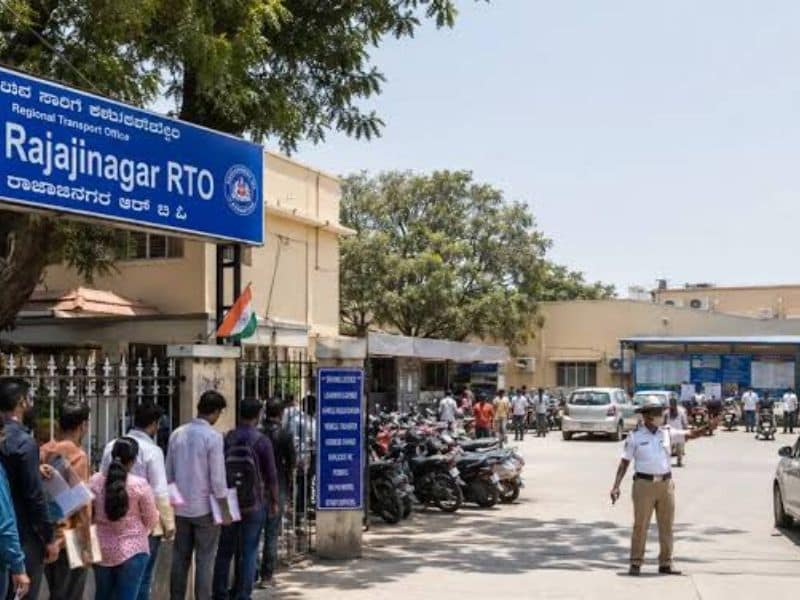
Because caps, price bands, and refund conditions genuinely differ by state and change with each budget cycle, this guide won’t quote specific rupee figures per state. Check the relevant state transport department’s EV portal directly, since even reputable automotive publications have been caught citing subsidy figures for schemes that had already expired or hit their registration cap.
What to Actually Do Before Booking
Rather than relying on a fixed figure that may be outdated by the time you read this, the practical approach for a Sierra EV buyer is straightforward: ask the dealership for a full on-road price breakdown that explicitly itemises road tax, registration fee, and any state subsidy already factored in, and separately confirm with the state transport department’s EV portal or helpline that the subsidy scheme quoted is still active and hasn’t hit its registration cap for the current financial year. A dealership quote that simply states “no road tax” without breaking out the waived amount separately is harder to verify and worth pushing back on.
Frequently Asked Questions
Does the Tata Sierra EV get a central government subsidy?
No direct purchase subsidy applies to private electric cars under the current PM E-DRIVE scheme. The Sierra EV instead benefits from a concessional 5% GST rate compared to 28% plus cess on equivalent petrol or diesel SUVs.
Why does the Tata Sierra EV get a green number plate?
The green plate is the standard identifier for pure electric vehicles in India, distinguishing them from petrol, diesel, and CNG vehicles for purposes like toll exemptions, dedicated parking, and traffic enforcement in states with EV-specific rules.
Do all states offer road tax exemption on the Tata Sierra EV?
Not all states, and not always in full. Several major states currently waive road tax partially or fully for EVs, but the exact terms vary and change periodically, so this should be confirmed directly with the dealership or state transport portal at the time of booking.
Is the Sierra EV eligible for state purchase subsidies?
It depends on the specific state’s policy and whether the Sierra EV’s ex-showroom price falls within that state’s eligible price band, since several state subsidy schemes cap eligibility by vehicle price. This varies enough by state and by year that it needs direct verification rather than a general answer.