
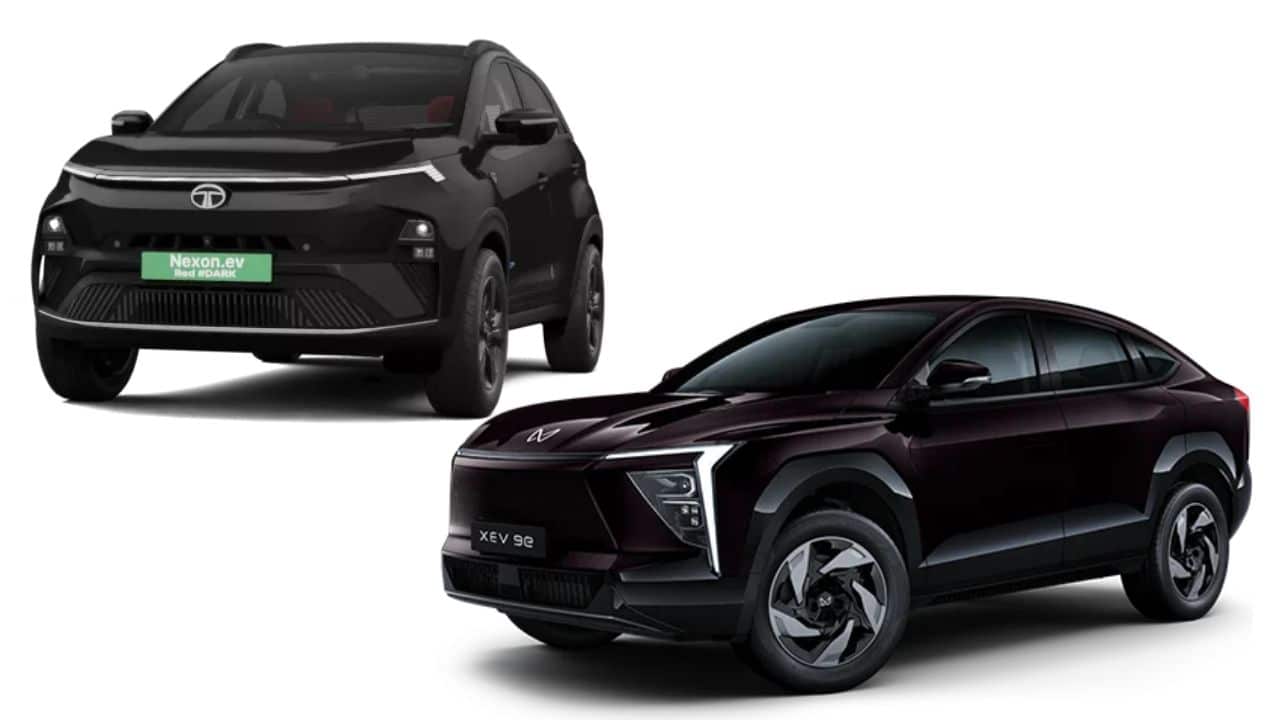

India’s electric passenger vehicle market held above the 30,000-unit retail mark for a second straight month in July 2026, with 32,609 units registered nationally, up 83% year-on-year, according to Vahan-based tracking compiled by Autocar India. FADA’s own retail release puts electric vehicles at 7.90% of overall passenger vehicle registrations for the month, a share that has essentially held flat from June’s 7.91% after climbing steadily from 5.14% a year earlier. Applied to FADA’s total July PV retail figure of 4,16,555 units, that share works out to roughly 32,900 EV car registrations, a number that lines up closely with the Vahan-sourced count once differing data-cutoff dates are accounted for.
However, isn’t where the real story is this month. Retail registrations measure what customers actually took delivery of. Wholesale dispatches measure what OEMs shipped to their dealer networks. When those two diverge for a specific brand, it tells you something about where that brand’s inventory pipeline is heading, often before it shows up in any other data point. In July 2026, two of the market’s largest EV players moved in opposite directions on that measure, and neither has gone particularly reported in most July recaps.
Retail vs Wholesale, Side by Side
| OEM | July 2026 Retail (Vahan) | July 2026 Wholesale (Company Disclosure) | Gap |
|---|---|---|---|
| Tata Motors | 13,578 units | 15,217 units (incl. exports) | Wholesale +1,639 |
| Mahindra | 7,677 units | 6,483 units (XEV 9S + XEV 9e + BE 6 + XUV400) | Wholesale −1,194 |
| JSW MG Motor | 5,642 units | 6,500+ units (NEV share of 8,158 total dispatches) | Wholesale roughly in line to higher |
| Maruti Suzuki | 1,590 units | Not separately disclosed | – |
| Vinfast India | 1,478 units | Not separately disclosed for July | – |
| BYD India | 742 units | Not separately disclosed | – |
Retail figures are drawn from Vahan registration data as compiled by Autocar India’s July 2026 EV sales report. Wholesale figures are drawn directly from each OEM’s own July 2026 sales disclosures. A note on completeness: SIAM’s official industry-wide wholesale dispatch data for July 2026 had not yet been released as of this report, since SIAM typically publishes roughly two weeks into the following month. This analysis therefore relies on individual OEM company disclosures for the wholesale side, which is standard practice in the window before SIAM’s aggregate figure lands, and is updated once that industry total is available.
Tata Motors: Dispatches Ahead of Deliveries, Festive Stock-Building Begins
Tata Motors, which continues to lead the EV car segment by a wide margin, dispatched 15,217 electric passenger vehicles in July 2026, a figure the company disclosed under its Regulation 30 SEBI filing and one that includes both domestic and export volumes. That’s up 114% year-on-year from 7,124 units in July 2025, and it marks the first time Tata’s monthly EV wholesale has crossed 15,000 units. Against that, Vahan-based retail tracking put Tata’s July registrations at 13,578 units, itself the company’s best-ever monthly EV retail performance and up 102% year-on-year.
🚀 Join Our Tech Community!
Get the latest news, updates, and tech trends delivered straight to your phone. Never miss an update!
The gap of roughly 1,600 units between what Tata shipped and what customers actually registered is a straightforward inventory-build signal, not a red flag on its own. It lines up with FADA’s broader July 2026 caution that overall passenger vehicle inventory rose to 33–35 days, a full day higher than June-end and well above FADA’s recommended 21-day benchmark, with festive-season stocking already underway. Tata’s newly launched Sierra EV, with deliveries only beginning July 15, would also have added to dispatch volumes without yet showing up fully in retail numbers, since a share of July-shipped units for a freshly launched model naturally lands in showrooms and gets registered the following month. Whether this becomes a genuine overstock concern depends on whether August retail catches up to July’s dispatch pace, particularly with the Independence Day and Onam festive window (16–26 August) approaching.
Mahindra: Retail Growth Outrunning Dispatches, a Different Kind of Divergence
Mahindra‘s story runs the other way. The company’s electric SUV lineup posted wholesale dispatches of 6,483 units in July, made up of 4,131 units of the XEV 9S, 1,793 units of the XEV 9e, 541 units of the BE 6, and 18 units of the outgoing XUV400 EV, according to Mahindra’s own monthly dispatch breakdown. Against that, Vahan-based retail tracking shows Mahindra selling 7,677 electric SUVs in July, up 125% year-on-year and its second-highest monthly EV retail total on record.
That means Mahindra retailed roughly 1,200 more EVs than it dispatched to dealers in July, a genuine net destocking month for the brand’s electric lineup, even as overall demand for its e-SUVs was accelerating sharply. Digging into the model mix explains part of it: BE 6 wholesale collapsed to just 541 units, down 65% year-on-year and 53% month-on-month, while XEV 9e dispatches also fell 27% year-on-year. The XEV 9S, Mahindra’s newer three-row born-electric SUV launched in late 2025, is now doing the heavy lifting on the dispatch side. The combination of falling wholesale on the older two models and strong overall retail suggests dealers were selling down existing BE 6 and XEV 9e stock built up in earlier months, rather than Mahindra under-supplying fresh demand. Mahindra’s overall e-SUV retail market share rose to 22% in July, up from 19% a year earlier, so the underlying demand trend for the brand remains firmly positive.
JSW MG Motor: Record Wholesale, EV Share Above 80%
JSW MG Motor India dispatched a company-record 8,158 units in July 2026, up 22.16% year-on-year and its third consecutive month of record wholesale volumes. MG stated that its New Energy Vehicle portfolio, comprising the Comet EV, Windsor EV, ZS EV, Cyberster and M9, accounted for more than 80% of that total, which works out to upwards of 6,500 electrified units dispatched in the month. Retail tracking puts MG’s EV registrations at 5,642 units for July, down 4% year-on-year and 9% lower than June, even as the company’s own wholesale hit a record. MG’s EV retail market share has fallen sharply, from 33% a year ago to 16% in July, a reflection of the broader market growing around it faster than MG’s own volumes rather than MG losing absolute ground. The gap between MG’s record wholesale and its softer retail trend is worth watching into August, since it points toward inventory building at a pace that outstrips the brand’s own EV registration growth.
What the Gap Tells Dealers, Buyers and Investors
For dealers, a wholesale-ahead-of-retail month like Tata’s or MG’s July typically means more negotiating room on the showroom floor as festive-season stock builds, particularly on models where a specific variant or paint option is sitting longer than usual. For prospective buyers, that generally translates into better availability and stronger scope for expiring-month discounts as the festive season approaches, though it also means aged stock could weigh on used-EV pricing or on manufacturer support if it isn’t cleared by Diwali. For a company like Mahindra, where retail is outrunning wholesale, buyers should expect tighter availability and less negotiating leverage on the XEV 9S specifically, since dealer stock is being worked down rather than built up.
For investors and dealers tracking the broader passenger vehicle picture, FADA’s inventory warning that overall PV stock sits at 33–35 days against a 21-day benchmark is the backdrop against which these EV-specific divergences are playing out. A brand pushing EV wholesale meaningfully ahead of retail during a month when overall PV inventory is already elevated is a pattern worth monitoring into August and September, when SIAM’s own wholesale release for July will allow this analysis to be checked against the industry-wide aggregate for the first time.
Frequently Asked Questions
What is the difference between EV car wholesale and retail sales in India?
Wholesale (or dispatch) figures measure what an OEM ships from its factory to its dealer network in a given month. Retail figures, sourced from the government’s Vahan registration database or FADA’s dealer-level survey, measure what customers actually registered and took delivery of. The two numbers regularly diverge, and the size of that gap is itself a useful signal of dealer inventory building up or being drawn down.
Did Tata Motors sell more EVs than it dispatched in July 2026?
No, the opposite. Tata Motors dispatched 15,217 electric passenger vehicles to dealers in July 2026 but Vahan-based tracking shows only 13,578 units were actually registered by customers in the same month, a gap of roughly 1,600 units that points to dealer stock building ahead of the festive season.
Why did Mahindra’s EV wholesale fall behind its retail sales in July 2026?
Mahindra dispatched 6,483 electric SUVs in July 2026 across the XEV 9S, XEV 9e, BE 6 and XUV400, while retail registrations reached 7,677 units. The gap was driven mainly by a sharp 65% year-on-year drop in BE 6 wholesale, suggesting dealers sold down existing stock of the older model faster than Mahindra replenished it.
Has SIAM released official wholesale EV car data for July 2026?
Not as of this report. SIAM typically publishes its industry-wide monthly wholesale dispatch data around the middle of the following month, so July 2026’s official aggregate figure was not yet available. This analysis instead uses each OEM’s own individually disclosed wholesale numbers.