

Buying an EV isn’t the same decision-making process as buying a petrol or diesel vehicle, even though the showroom experience looks similar. The variables that actually matter, real-world range, charging access, battery warranty terms, are things most Indian buyers have never had to think about before, and getting them wrong is a far bigger deal than picking the wrong paint colour. This walks through the decision in the order that actually matters, not the order a brochure presents it in.
Step 1: Work Out Your Real Daily Distance, Not Your Ideal Range
Before you look at a single spec sheet, figure out your actual daily driving pattern. Most Indian owners, whether on a scooter or in a car, cover far less distance day to day than they assume, and this number should drive your entire shortlist rather than chasing the highest range figure available.
Track your commute for a week if you’re not sure: door to office, errands, the school run, whatever your routine actually looks like. Add a realistic buffer for the odd longer day, then double it in your head, since real-world range in Indian traffic conditions typically comes in below the ARAI-certified figure once you factor in AC use and stop-start driving. If your daily distance comfortably sits inside that reduced number with room to spare, range anxiety mostly disappears as a concern. If you’re constantly flirting with the edge of a vehicle’s realistic range, either look at a longer-range variant or reconsider whether an EV is the right fit for your specific pattern right now.
This is also where two-wheeler and car buyers diverge. A scooter used purely for a short daily commute has very different range requirements than a family car that occasionally does a weekend highway run, and the shortlist should reflect that difference rather than treating “EV” as a single use case.
🚀 Join Our Tech Community!
Get the latest news, updates, and tech trends delivered straight to your phone. Never miss an update!
Step 2: Be Honest About Your Charging Access
This is the single biggest factor that separates a happy EV owner from a frustrated one, and it deserves more weight in your decision than almost any spec on the sheet.
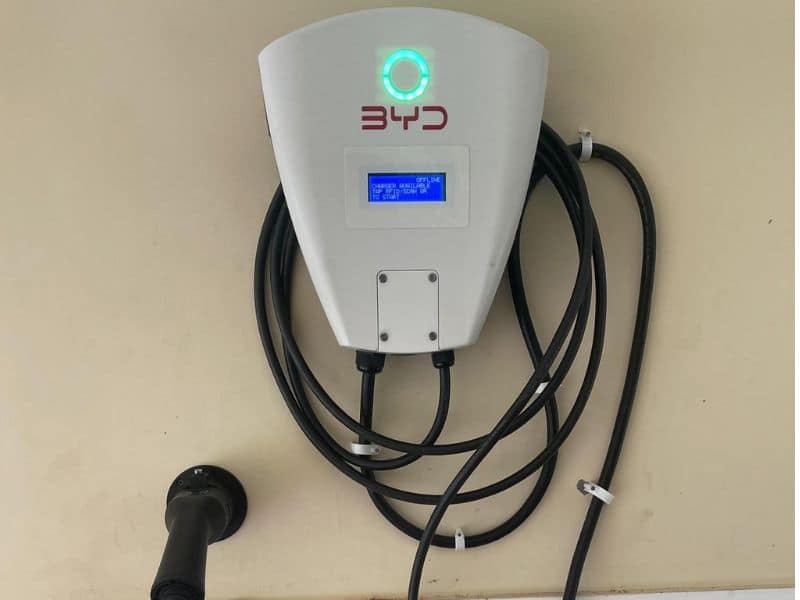
If you have a private parking spot at home or a reserved spot at work, installing a charger there turns EV ownership into something that mostly happens overnight, invisibly, the same way charging a phone does. This is the easiest, cheapest, and most stress-free ownership pattern by a wide margin.
If you park on the street or share parking without a fixed spot, home charging becomes genuinely difficult, and your ownership experience will lean heavily on public charging. Before buying, actually walk or drive your regular routes and check what public charging exists nearby, rather than assuming infrastructure will be there when you need it. Density and reliability outside major metros and highway corridors still lag behind petrol pump coverage, so this isn’t a detail to skip.
If you live in a smaller town or a semi-urban area, both public charging density and EV-qualified service support are likely thinner than what a metro buyer would experience. This doesn’t rule out an EV, but it does mean checking the service network specifically, covered in Step 5, before committing.
Be honest with yourself here rather than optimistic. Charging access is the one variable that can turn a good EV into a daily headache regardless of how good the vehicle itself is.
Step 3: Decide Between a BEV, a Hybrid, and a Plug-in Hybrid
Not every electrified vehicle on sale is a pure EV, and the right choice depends on your charging access from Step 2 as much as your budget.
A battery electric vehicle (BEV) is the right call if you have reliable charging access and your daily distance sits comfortably within realistic range. It gives you the lowest running cost and the simplest mechanical package of the three options.
A strong hybrid is worth considering if you want meaningfully better fuel efficiency and lower running cost than a regular petrol or diesel vehicle, but you don’t have reliable charging access or you regularly do long, unplanned trips. It never needs to be plugged in, since its battery charges through the engine and regenerative braking alone.
A plug-in hybrid (PHEV) sits in between: it suits someone who can cover most day-to-day driving on electric power alone if they charge regularly, but who also wants a combustion engine as a safety net for longer trips without hunting for a charger. It’s a genuinely useful middle ground, but it’s also the most expensive and mechanically complex of the three, since it carries both a full engine and a sizeable battery.
If you don’t have any charging access at all, and don’t plan to get it, a BEV and a plug-in hybrid both stop making sense, and a regular petrol, diesel, or strong hybrid is the more practical choice for now.
Step 4: Check the Battery Warranty Before Anything Else on the Spec Sheet
Once you’ve narrowed things down to specific BEV models, the battery warranty deserves more scrutiny than horsepower, features, or even price, because it’s protecting you against the single most expensive component in the vehicle.
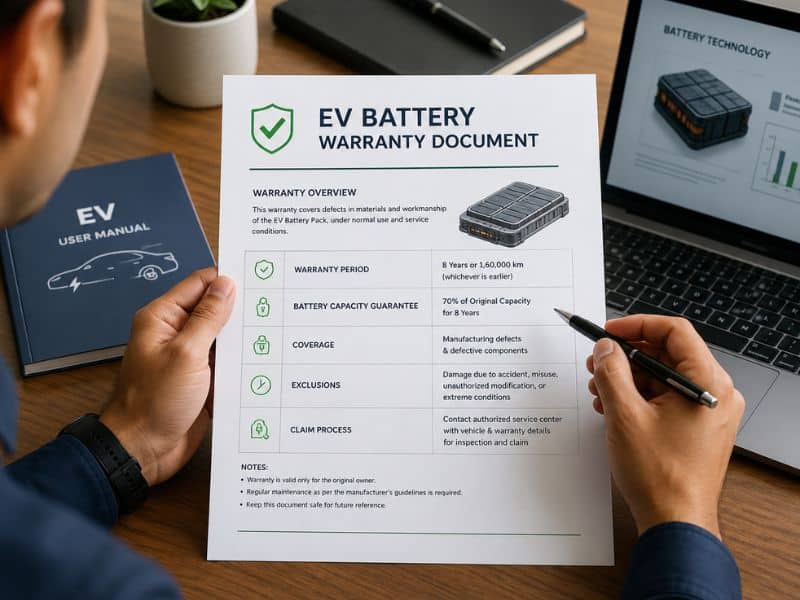
Look specifically for the guaranteed minimum capacity retention over the warranty period, not just a headline “8 years” or “3 years” figure without context. A warranty that promises the battery for a stated period but says nothing about capacity retention is a weaker warranty than one that explicitly guarantees, for example, a percentage of original capacity by the end of the term. Read the actual document rather than relying on a salesperson’s summary, and ask what happens if the battery degrades below the guaranteed threshold before the warranty period ends.
This step matters more for a used or long-term purchase than a short-term one, but it’s worth doing regardless, since it also tells you how confident the manufacturer itself is in its own battery technology.
Step 5: Check the Service Network for Your Area
An EV needs a different kind of service support than a petrol or diesel vehicle, particularly for anything touching the high-voltage battery or drive unit, and that work should go to a manufacturer-authorised or otherwise qualified EV technician rather than a general mechanic.
Before buying, check how many authorised service points the brand actually has near you, not just in the nearest metro. If you live outside a major city, this is worth a direct question to the dealership rather than an assumption: ask specifically where the nearest EV-qualified service centre is and what the typical turnaround time looks like for common issues. A brand with a thin service network in your region can turn an otherwise good vehicle into a logistical headache the first time something needs attention.
Step 6: Compare Total Ownership Cost, Not Just the On-Road Price
An EV’s upfront price tends to run higher than an equivalent petrol or diesel model, but that’s only one piece of the cost picture, and comparing sticker prices alone will give you a misleading picture of which option is actually cheaper over time.
Build a rough total cost of ownership instead: on-road price, expected running cost per kilometre based on your actual electricity tariff versus fuel price, expected maintenance savings from fewer moving parts, insurance premium (which can differ from an equivalent ICE model), and any state or central incentives you genuinely qualify for. None of these numbers are fixed, and incentive schemes in particular change by state and over time, so confirm current figures directly with the dealership or your state transport department rather than working from something you read a few months ago.
For most buyers with predictable, moderate daily distances and reliable charging access, the running cost and maintenance savings meaningfully offset the higher upfront price over a few years of ownership. For buyers who drive very little, the payback period stretches out, and the higher upfront cost matters more.
Step 7: Think About Resale Before You Buy, Not After
The used-EV market in India is still maturing compared to the well-established resale ecosystem for petrol and diesel vehicles, and resale value here depends on a slightly different set of factors: battery health and remaining warranty at the time of resale, how much battery and charging technology has moved on since your purchase, and brand-specific trust in the used-EV segment, which varies a lot right now.
If resale value genuinely matters to your decision, research how the specific model you’re considering has actually held its value in the used market so far, rather than assuming it will behave like an equivalent petrol car. This is a case where a slightly less exciting but well-established brand can be the financially smarter pick over a newer entrant with no resale track record yet.
Two-Wheeler Buyers: What Changes
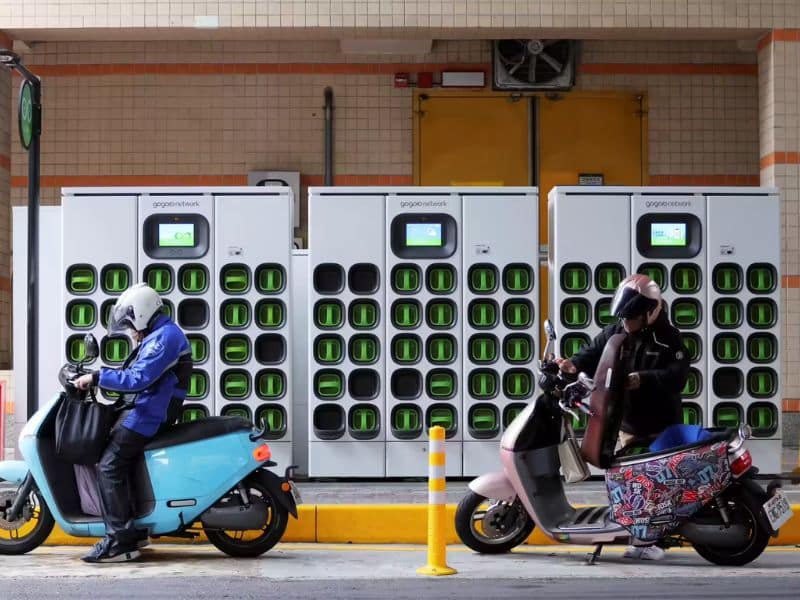
If you’re shopping for an electric scooter rather than a car, most of the framework above still applies, but a few things shift in emphasis. Range needs are usually smaller and easier to satisfy, since most daily two-wheeler commutes are short. Home charging is simpler to set up, since a standard socket is often enough for a two-wheeler’s smaller battery. Battery swapping is available for some models in certain cities as an alternative to plug-in charging, worth checking if it’s offered where you live, since it removes the waiting-for-a-charge problem entirely. Service network gaps matter less severely for a two-wheeler than for a car, since basic maintenance is simpler, but battery and motor issues still need a qualified technician.
Car Buyers: What Changes
For a car, boot space, rear-seat comfort, and features-per-lakh matter alongside the EV-specific checks above, largely mirroring how Indian buyers already evaluate petrol and diesel cars. Pay particular attention to how AC use affects real-world range in a car, since a car’s cabin volume and glass area typically demand more from the AC system than a scooter, which can meaningfully eat into range on a hot afternoon with a full load of passengers.
Final Verdict: Who Should Buy an EV Right Now
Buy a BEV if you have reliable home or workplace charging, your daily distance comfortably fits within realistic range, and you want the lowest running cost available in the segment. This is the straightforward, low-regret case for an EV in India today.
Consider a strong hybrid instead if you like the idea of better efficiency but don’t have consistent charging access, or if you regularly do long, unplanned trips where hunting for a charger isn’t practical.
Consider a plug-in hybrid if you can charge regularly for most daily driving but specifically want a combustion engine as a safety net for occasional long trips.
Skip an EV for now if you have no charging access at all and no realistic plan to get it, or if you live somewhere the service network for your preferred brand is genuinely thin. Neither of these is a permanent no, but both are good reasons to wait until your circumstances change rather than buying an EV and working around its limitations for years.
Frequently Asked Questions
How much range do I actually need for daily use in India?
Most Indian owners cover far less than they expect day to day. Track your actual weekly driving pattern, build in a buffer for real-world range loss from AC use and traffic, and choose a vehicle where your daily distance sits comfortably within that reduced figure rather than at its edge.
Should I buy an EV if I don’t have home charging?
It’s possible if reliable public charging exists along your regular routes, but it makes daily ownership noticeably harder. Check actual charging availability near your home, workplace, and regular routes before buying rather than assuming it will be sufficient.
Is a plug-in hybrid better than a full EV for Indian conditions?
It depends on your charging access and trip patterns. A plug-in hybrid suits someone who can charge regularly for daily driving but wants a combustion engine as backup for longer trips; a full EV suits someone with reliable charging and predictable daily distances who wants the lowest running cost.
What should I check in an EV’s battery warranty before buying?
Look specifically for the guaranteed minimum capacity retention over the warranty period, not just the headline warranty duration. Read the actual warranty document and ask what protection applies if the battery degrades faster than the guaranteed rate.
Do EVs cost more to insure than petrol cars in India?
Insurance premium structures can differ from an equivalent petrol or diesel model, partly reflecting the higher cost of the battery pack. Compare actual quotes for your shortlisted model rather than assuming the premium will match a similar ICE vehicle.