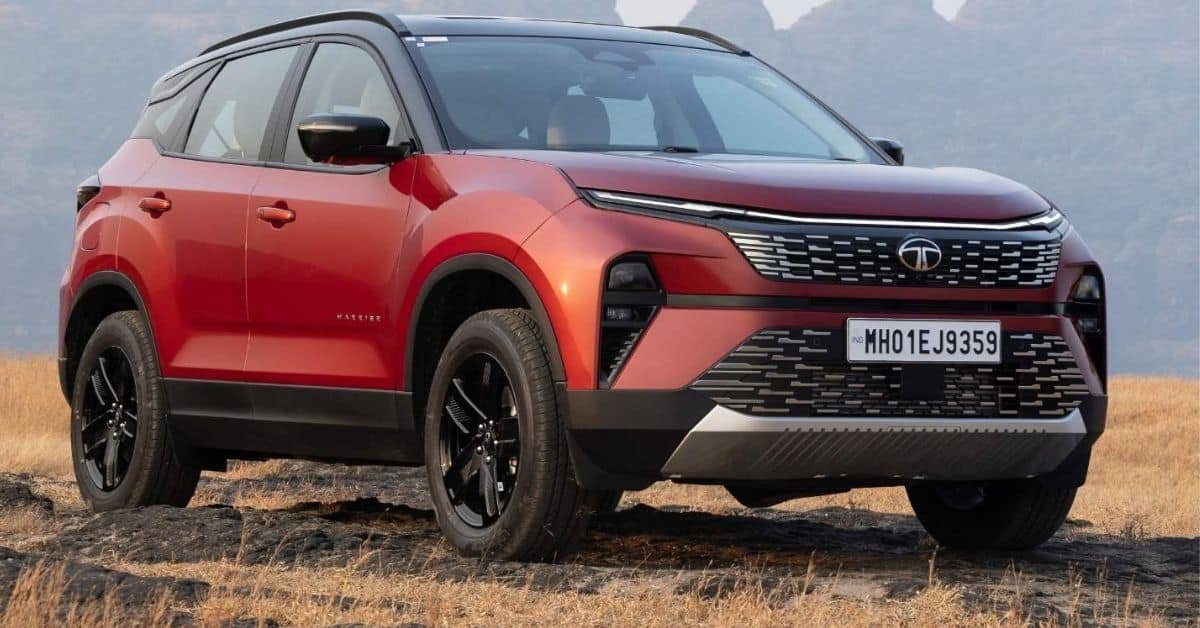

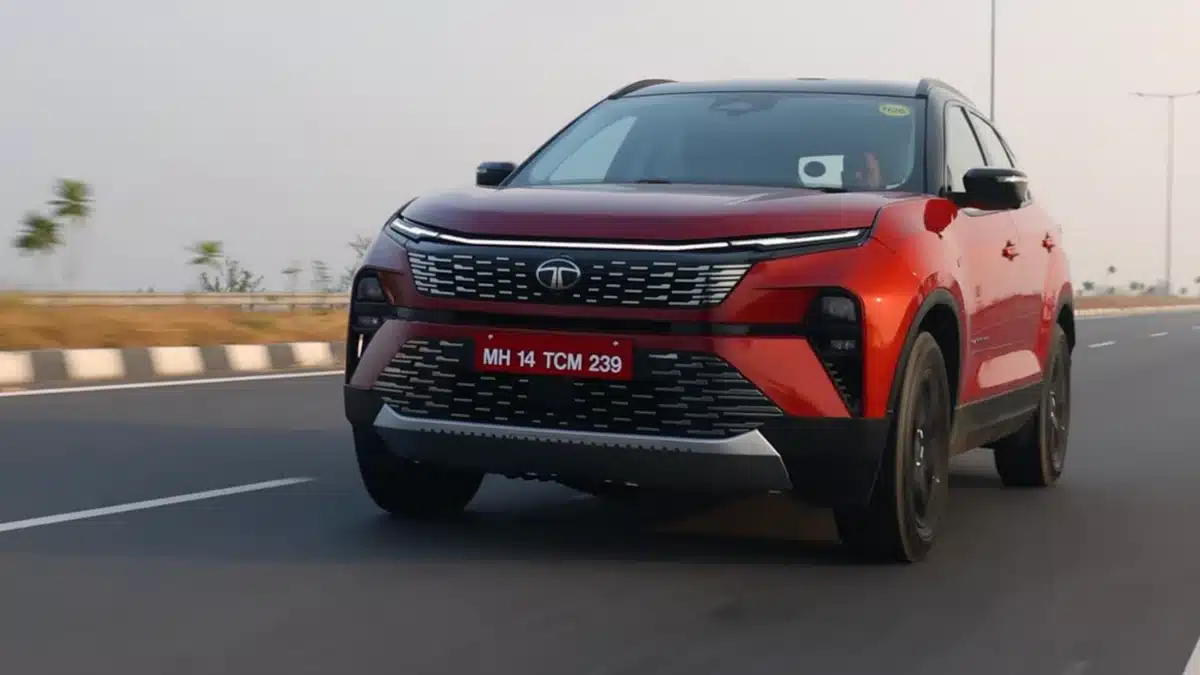
The Tata Harrier has long been offered only with a diesel engine, but the arrival of the petrol version changes that positioning. The petrol-powered Harrier is aimed at buyers who want the SUV’s design, size, and features with the smoother driving characteristics typically associated with petrol engines. It is especially relevant for city-focused users and those with moderate annual running.
Apart from the powertrain, the petrol Harrier remains largely identical to the diesel version in terms of styling, cabin layout, and overall road presence.
Engine and Transmission
The Tata Harrier Petrol uses a 1.5-litre turbo-petrol engine from Tata’s new Hyperion engine family. This engine has been tuned to suit the Harrier’s weight and size, focusing on drivability rather than aggressive performance.
Key mechanical details include:
🚀 Join Our Tech Community!
Get the latest news, updates, and tech trends delivered straight to your phone. Never miss an update!
- Power output of around 170 hp
- Peak torque of 280 Nm
- Front-wheel-drive layout
- 6-speed manual gearbox option
- 6-speed torque-converter automatic option
The tuning prioritises smooth power delivery at low and medium speeds, which is particularly useful in urban traffic and relaxed highway driving.
Driving Experience and Refinement
In daily use, the petrol Harrier feels quieter at idle and during slow-speed driving when compared to the diesel version. Throttle inputs are progressive, and turbo lag is controlled well enough for city conditions. This makes the automatic variant especially comfortable in stop-and-go traffic.
On highways, the engine settles into a calm cruising rhythm. While performance is adequate for overtakes, fuel efficiency expectations should align with typical turbo-petrol SUVs rather than diesel-powered rivals.
Variants and Positioning
The Harrier Petrol is offered across a wide range of trims, similar to the diesel lineup. This ensures buyers choosing the petrol engine do not have to compromise on features.
The petrol variant is positioned for buyers who:
- Drive mainly within city limits
- Have lower or moderate yearly mileage
- Prefer petrol refinement over diesel efficiency
At the lower end, pricing helps narrow the gap with diesel variants, making the petrol Harrier a viable alternative rather than a niche option.
Features and Equipment
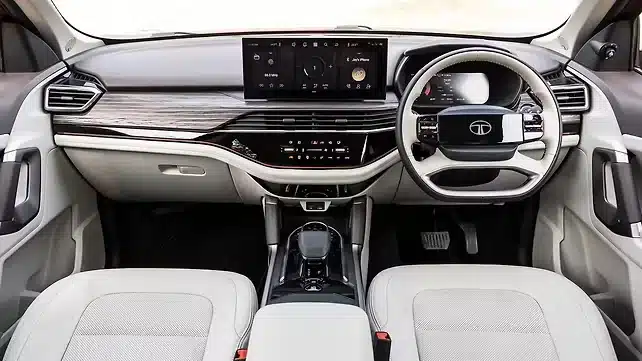
Most features available on the diesel Harrier are retained on the petrol version, keeping the overall experience premium and competitive.
Key equipment includes:
- Large touchscreen infotainment system
- Fully digital instrument cluster
- Panoramic sunroof
- Dual-zone automatic climate control
- Ventilated front seats
- Wireless smartphone charging
- Advanced driver assistance features on higher trims
Certain top-spec petrol trims also introduce additional technology and interior enhancements that are not available on lower variants.
Interior Space and Design
The interior of the petrol Harrier mirrors the diesel model. The cabin remains spacious, with ample rear seat legroom and a wide, comfortable seating layout. Boot space continues to be suitable for family travel and long journeys.
Special editions add cosmetic updates such as unique exterior shades and interior accents, without changing the core cabin design.
Petrol vs Diesel Choice
The decision between petrol and diesel Harrier versions comes down to usage pattern rather than feature differences.
The petrol Harrier is better suited for:
- Predominantly city driving
- Lower annual distances
- Buyers seeking quieter operation
The diesel Harrier remains more suitable for:
- High-mileage users
- Frequent highway trips
- Buyers prioritising fuel efficiency
Overall Perspective
The Tata Harrier Petrol is designed to complement, not replace, the diesel version. It offers buyers a refined and comfortable alternative that fits modern urban usage patterns. For those who value smoothness and lower noise levels over outright efficiency, the petrol Harrier makes practical sense in the midsize SUV segment.