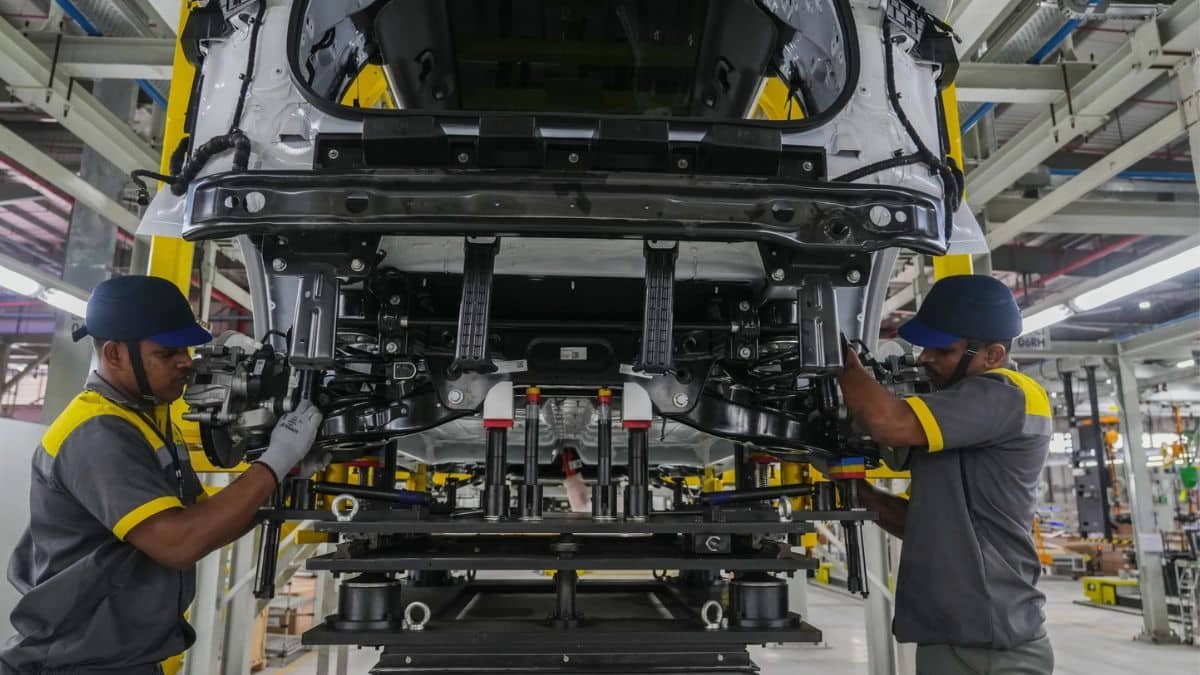

India’s automotive industry is going through a once-in-a-generation transformation as it steadily moves away from traditional internal combustion engines toward electric and sustainable mobility. What was once discussed as a future possibility has now become an active industry-wide shift, reshaping how vehicles are designed, manufactured, and positioned in the market. Developments highlighted on January 16, 2026, confirm that electrification is no longer optional—it is central to the industry’s long-term direction.
This transition is not limited to electric cars alone. It spans two-wheelers, passenger vehicles, commercial fleets, suppliers, and even manufacturing philosophy. The change from engines to electrons represents a fundamental reset of India’s automotive ecosystem.
Why the Shift From Fuel to Electric Has Become Inevitable
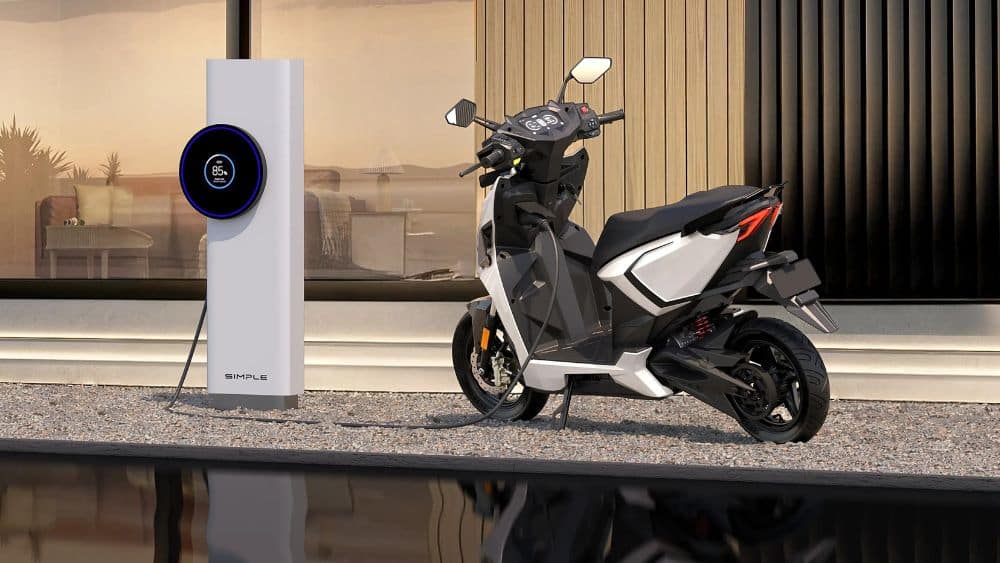
For decades, India’s automotive growth was powered by petrol and diesel vehicles. However, rising fuel costs, environmental pressure, and rapid urbanisation have made this model increasingly difficult to sustain. Electric mobility offers a compelling alternative, particularly in densely populated cities where efficiency, lower running costs, and reduced emissions are becoming more important.
At the same time, policy clarity and infrastructure expansion have helped reduce uncertainty around electric vehicles. As charging networks expand and vehicle technology matures, electric mobility is moving from early adoption into a phase of steady, scalable growth.
🚀 Join Our Tech Community!
Get the latest news, updates, and tech trends delivered straight to your phone. Never miss an update!
How Vehicle Engineering Is Being Redefined
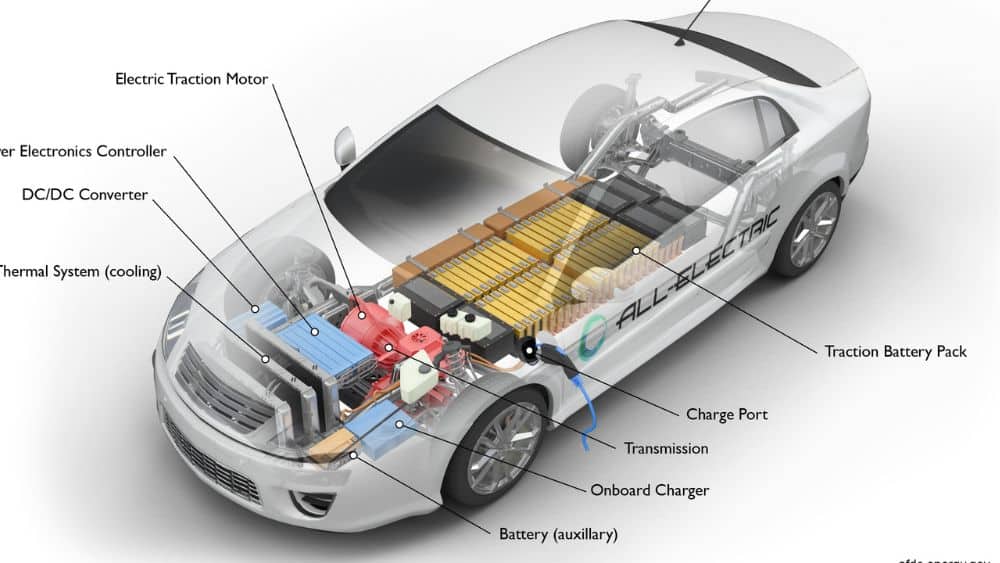
The transition to electric vehicles is fundamentally changing how automobiles are engineered. Traditional vehicles relied heavily on complex mechanical systems, while electric vehicles depend more on electronics, software, and energy management.
Electric drivetrains use fewer moving parts, which changes everything from vehicle architecture to maintenance requirements. This shift is forcing automakers to redesign platforms, rethink component layouts, and invest in new testing and validation processes to ensure safety and reliability.
The Supply Chain Is Undergoing a Major Reset
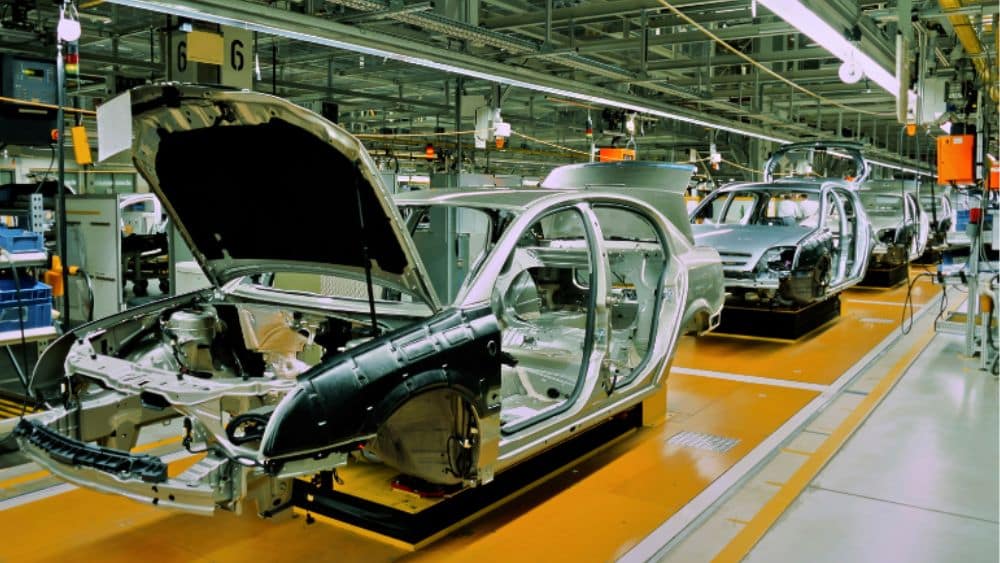
Electrification is having its strongest impact on the automotive supply chain. Many legacy components linked to engines and exhaust systems are becoming less relevant, while demand for new technologies is rising rapidly.
Key shifts happening across the supply chain include:
- Growing demand for electric motors, controllers, and power electronics
- Increased focus on battery systems, thermal management, and wiring architecture
- Reduced dependence on engine, gearbox, and exhaust-related components
- Higher importance of electronics quality, software compatibility, and precision manufacturing
This transition is forcing suppliers to adapt quickly or risk losing relevance in the new automotive landscape.
Localisation Becomes a Strategic Necessity
Local manufacturing has moved from being a cost advantage to a strategic necessity. Automakers are increasingly investing in domestic production of electric components to protect themselves from global supply disruptions and currency fluctuations.
Localisation also supports faster scaling, better cost control, and stronger alignment with national manufacturing goals. As electric vehicle volumes grow, domestic capability will play a critical role in determining how competitive Indian manufacturers remain.
Sustainability Moves Into the Core Business Strategy
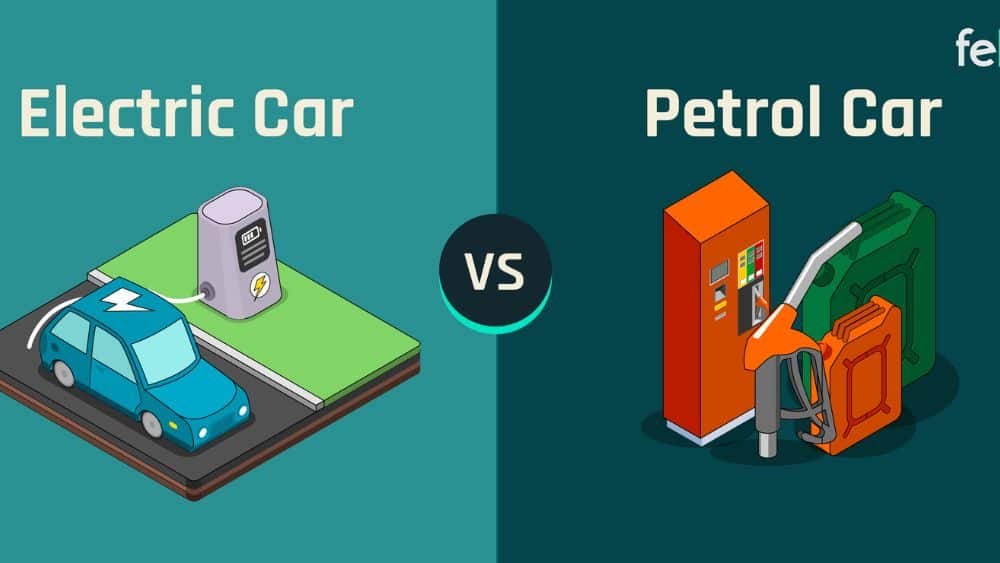
Sustainability is no longer treated as a separate initiative or a compliance requirement. It is becoming part of core business planning across the automotive sector. Manufacturers are focusing on cleaner production processes, energy efficiency, waste reduction, and responsible material sourcing.
These efforts are influencing factory design, supplier selection, and long-term investment decisions. For many companies, sustainability is now directly linked to brand value, regulatory readiness, and future market access.
What Lies Ahead for India’s Automotive Industry
As 2026 progresses, electric and hybrid technologies are expected to grow alongside each other rather than replace conventional vehicles overnight. Consumer affordability, charging infrastructure, and product reliability will determine the pace of adoption across different segments.
What is already clear is that the industry has crossed a critical turning point. The move from engines to electrons is no longer theoretical—it is actively reshaping India’s automotive future and setting the direction for the next decade of mobility.