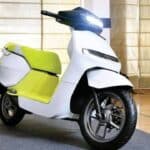


Ather Energy outsold Ola Electric by more than two-to-one in July 2026, and the gap between India’s two most-watched pure-play electric scooter makers isn’t a one-month anomaly, it’s the continuation of a trend that’s been building for over a year. Ather registered 30,323 units in July, up 70% year-over-year. Ola Electric registered 14,105 units, down 24% year-over-year and 13% from June, the only major OEM in the top ten to post a year-over-year decline in a month where the overall electric two-wheeler industry crossed 2 lakh units for the first time.
Head-to-Head: July 2026 Numbers
| Metric | Ola Electric | Ather Energy |
|---|---|---|
| July 2026 registrations | 14,105 units | 30,323 units |
| YoY change | -24% (from 18,449 units) | +70% (from ~17,840 units) |
| MoM change | -13% | Positive, extending a multi-month run |
| Industry rank | 5th | 3rd |
| July 2026 market share | 7% | 15% |
| Market share a year ago | 17% | Comparable, lower base |
| Industry position | Slipped from a peak of #1/#3 in prior years | Holding steady at #3 |
VAHAN-sourced figures can vary slightly depending on the exact date data is pulled from the portal, since dealer-level registrations continue updating for several days after month-end. An earlier partial pull (dated to July 29) had shown Ola at roughly 11,900–13,200 units and Ather at roughly 25,900–28,800 units for the same month; the final, full-month tally used in this report shows both brands slightly higher. The direction and scale of the gap between the two brands is consistent across every version of the data.
Ola Electric: A Fifth Straight Year of Losing Ground
Ola’s July result extends a decline that’s now measured in years, not months. The company sold roughly 1.16 lakh electric two-wheelers in 2022, before rapidly expanding to 2.78 lakh units in 2023 and peaking at 4.29 lakh units in 2024, when it was briefly India’s largest electric two-wheeler brand by volume. Registrations then dropped more than 52% year-over-year in 2025, to roughly 2.05 lakh units, and the slowdown has continued into 2026.
July’s 14,105 units mark a 13% sequential decline from June, breaking a run of three consecutive months of sequential growth. Ola’s market share in the category has fallen to 7%, down sharply from 17% a year earlier when it ranked third in the segment; it now sits fifth, behind TVS, Bajaj, Ather and Hero MotoCorp’s Vida brand.
🚀 Join Our Tech Community!
Get the latest news, updates, and tech trends delivered straight to your phone. Never miss an update!
The most consequential development of the month wasn’t a sales number at all: Ola Electric announced it is ending its direct-sales-only strategy and opening its sales and service network to dealer partners, a reversal of the company-owned retail model it had built its brand around since entering the market. The shift comes against a backdrop of a shrinking store network and widening service gaps in several markets, factors that have been weighing on resale values and brand sentiment relative to TVS and Ather. Whether the pivot to a dealer network can arrest the decline is a genuine open question, not something this month’s numbers can yet answer.
Ather Energy: Steady Execution, Third Place, and a New Platform Coming
Ather’s 30,323 units in July represent 70% year-over-year growth, and the company has held its position as India’s third-largest electric two-wheeler maker for several consecutive months now, behind only the two legacy two-wheeler giants, TVS and Bajaj, both of whom have far larger dealer networks to draw on.
Two product developments explain part of the momentum. Ather updated the battery chemistry across its 450 and Rizta model ranges during July, with the Rizta now available in both LFP and NMC configurations, giving buyers a choice between cost and energy density depending on use case. The company is also preparing to launch its first EL platform-based scooter, expected to be priced between ₹1 lakh and ₹1.25 lakh, at its Community Day event on August 29, a move squarely aimed at the mass-market price band where Ola, TVS and Bajaj currently compete most aggressively.
Why the Gap Is Widening, Not Narrowing
Three factors stand out when comparing the two companies’ trajectories rather than just this month’s numbers:
- Distribution model: Ather has built out a dealer and service network over several years; Ola’s direct-to-consumer model, until this month’s announced reversal, left it comparatively thin on physical touchpoints in many markets, a disadvantage that compounds as competitors with legacy dealer networks (TVS, Bajaj) also enter the EV race.
- Product cadence: Ather’s battery-chemistry update and upcoming EL platform launch reflect a steady, incremental product refresh cycle. Ola has also expanded its portfolio significantly over the past two years, including entering the electric motorcycle segment with its Roadster series, but broader portfolio expansion hasn’t translated into registration growth the way it has for Ather.
- Brand trust and resale value: Coverage of Ola’s service-network contraction has specifically flagged softer resale values as a consumer-facing consequence, a factor that matters more for scooters, where buyers weigh total cost of ownership closely, than for most other vehicle categories.
Frequently Asked Questions
Did Ather Energy outsell Ola Electric in July 2026?
Yes. Ather Energy registered 30,323 electric two-wheeler units in July 2026 against Ola Electric’s 14,105 units, according to VAHAN portal data, meaning Ather sold more than double Ola’s volume for the month.
Why did Ola Electric’s sales decline in July 2026?
Ola’s registrations fell 24% year-over-year and 13% month-over-month to 14,105 units. The decline coincides with a shrinking company-owned store and service network, and the company has since announced it will open its sales and service operations to dealer partners, ending its direct-sales-only model.
What is Ather Energy’s market share in the electric scooter segment?
Ather held roughly 15% of India’s electric two-wheeler market in July 2026, with 30,323 units out of a total industry volume of 2,04,266 units, making it the third-largest electric two-wheeler brand behind TVS Motor and Bajaj Auto.
Is Ola Electric still a top electric two-wheeler brand in India?
Ola remains in the top five by volume, with a 7% market share in July 2026, but it has fallen from a 17% share and a top-three position a year earlier, and its share has continued to decline through most of 2026.