
India registered 32,036 electric passenger vehicles in July 2026, according to Vahan registration data downloaded as of August 3, 2026. That’s an 82.9% year-on-year jump from 17,515 units in July 2025, though the month-on-month picture was essentially flat, down 1.5% from June 2026’s 32,509 units.
Two independent trackers put the growth in a similar range. JMK Research & Analytics pegged electric car sales at 30,806 units for July, up 81% YoY but down 2% from June, with EV penetration in passenger vehicles at 7.92%. Nuvama’s figures came in at 31,138 units, up 73% YoY, with penetration steady at 7.7%. The gap between trackers comes down to cut-off dates and RTO reporting lag, a routine feature of Vahan-based monthly reporting, not a contradiction in the underlying trend: strong annual growth, flat sequential volume.
Four-month FY27 data reinforces the trend. Electric passenger vehicle registrations for April-July FY2026-27 stood at 119,343 units, up 90% YoY from 62,808 units in the same period last year, per Nuvama’s tracking.
OEM-Wise Electric Car Sales July 2026
| Rank | OEM | July 2026 | July 2025 | YoY Growth | June 2026 | MoM Growth | Market Share |
|---|---|---|---|---|---|---|---|
| 1 | Tata Motors | 13,630 | 6,732 | +102.5% | 12,796 | +6.5% | 42.5% |
| 2 | Mahindra | 7,710 | 3,416 | +125.7% | 8,178 | -5.7% | 24.1% |
| 3 | MG | 5,665 | 5,902 | -4.0% | 6,184 | -8.4% | 17.7% |
| 4 | Maruti Suzuki | 1,596 | – | – | 1,999 | -20.2% | 5.0% |
| 5 | VinFast | 1,480 | – | – | 1,448 | +2.2% | 4.6% |
| 6 | BYD | 747 | 613 | +21.9% | 927 | -19.4% | 2.3% |
| 7 | Hyundai | 565 | 719 | -21.4% | 374 | +51.1% | 1.8% |
| 8 | Kia | 469 | 65 | +621.5% | 540 | -13.1% | 1.5% |
| 9 | Toyota | 123 | – | – | 35 | – | 0.4% |
| 10 | Citroen | 51 | 68 | -25.0% | 28 | +82.1% | 0.2% |
| Total | 32,036 | 17,515 | +82.9% | 32,509 | -1.5% | 100% |
Tata Motors Extends Its Lead Past 40% Share
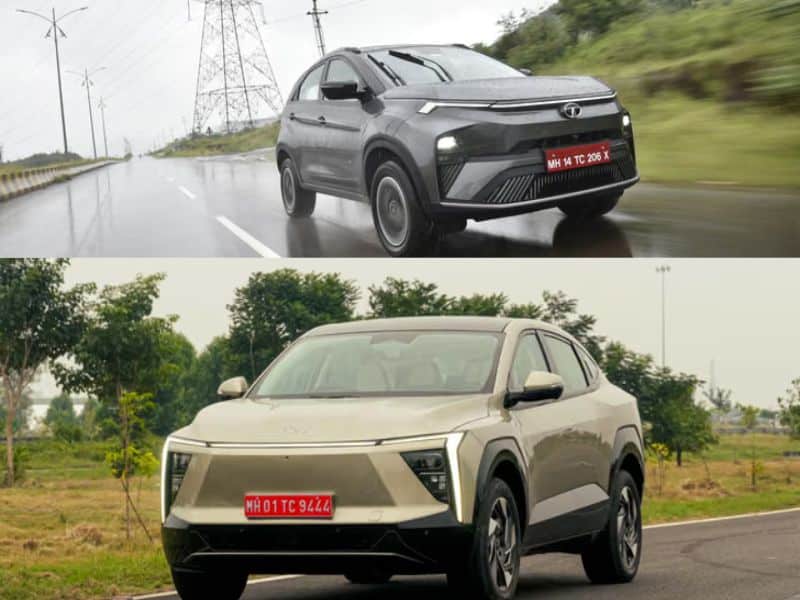
Tata Motors registered 13,630 electric cars in July 2026, more than double its July 2025 volume of 6,732 units, a 102.5% YoY increase. Market share climbed from 38.4% to 42.5%, a gain of 4.1 percentage points, meaning more than four out of every ten electric cars registered in India last month carried a Tata badge. Tata was also one of the few major OEMs to post sequential growth, up 6.5% from June’s 12,796 units. This was the second consecutive month Tata crossed 12,000-plus EV units, following 12,756 units in June, and the company crossed the 40% EV market-share mark after a long gap, per Autocar India’s tracking.
🚀 Join Our Tech Community!
Get the latest news, updates, and tech trends delivered straight to your phone. Never miss an update!
Mahindra Posts the Sharpest Share Gain Among Established Players
Mahindra registered 7,710 units in July, up a substantial 125.7% YoY from 3,416 units in July 2025. Its market share rose from 19.5% to 24.1%, a 4.6 percentage-point gain, the largest YoY share improvement among established manufacturers in the top 10. Sequentially, Mahindra’s registrations dipped 5.7% from 8,178 units in June, but the underlying growth trajectory remains the second-strongest in the segment after Tata.
MG’s Share More Than Halves as the Market Widens
MG registered 5,665 electric cars in July, a 4% YoY decline from 5,902 units and an 8.4% drop from June’s 6,184 units. What stands out isn’t the volume, it’s the share erosion: MG commanded 33.7% of the electric car market in July 2025; a year later, that’s down to 17.7%, a 16-percentage-point contraction. This isn’t a collapse in MG’s own numbers so much as a market that has grown much faster than MG has, as Tata, Mahindra, and a wave of new entrants added volume MG didn’t capture.
New Entrants Break Into the Top Five
Maruti Suzuki and VinFast, both without comparable July 2025 volumes, have already established themselves among India’s five largest electric car sellers. Maruti Suzuki posted 1,596 registrations for a 5.0% share, though this was down 20.2% from June’s 1,999 units. VinFast registered 1,480 units for a 4.6% share, edging up 2.2% sequentially from 1,448 units in June. Their arrival marks a structural shift: the electric car market’s top five is no longer just Tata, MG, and Hyundai, it now includes a Japanese-heritage mass-market brand and a Vietnamese entrant building share from a standing start.
Luxury EV Segment: Tesla’s Breakout Month
Tesla recorded its highest-ever monthly sales in India in July, selling 115 Model Y units, a 203% jump from 38 units in June. Its luxury EV market share rose sharply from 4% in June to 16% in July, moving it ahead of Volvo. The surge follows Tesla India’s decision to cut the Model Y’s price by ₹9 lakh, bringing the starting price to ₹50.89 lakh ex-showroom. Volvo, now ranked fourth in the luxury EV segment, sold 48 units, up 14% YoY and 23% MoM, though its market share fell to 7% from 10% a year earlier after the brand raised prices by up to ₹1 lakh from May citing supply-chain and forex pressures.
Hyundai, Kia and Toyota: A Mixed Bag
Hyundai registered 565 EVs in July, down 21.4% YoY from 719 units, though up 51.1% MoM from just 374 units in June. Hyundai’s EV lineup in India currently consists of only two models, the Creta Electric and the Ioniq 5. Kia posted the sharpest percentage growth of any brand with a comparable year-ago base, jumping from 65 units in July 2025 to 469 units in July 2026, a 621.5% YoY increase, aided by the mass-market Carens Clavis EV MPV joining the pricier EV6 and EV9 in its lineup. Toyota delivered 123 units of the Urban Cruiser Ebella, its 11th-place finish reflecting an early-stage but growing EV presence.
What Was Driving Numbers Elsewhere in the EV Market
India’s total EV registrations across all vehicle categories (two-wheelers, three-wheelers, cars, buses, and goods carriers) reached between 3.07 lakh and 3.28 lakh units in July 2026 depending on the tracker, up roughly 63% YoY per JMK Research. Electric two-wheelers remained the dominant category at 61.37% of total EV volume, followed by electric passenger three-wheelers at 23.72%. Electric cars accounted for roughly 10% of overall EV registrations. Electric three-wheeler sales rose 9% MoM to 84,554 units, supported by improving financing availability and lower total cost of ownership for commercial operators.
Uttar Pradesh topped state-wise EV registrations with 47,062 units, followed by Maharashtra and Karnataka, with the top 10 states together contributing 77% of total EV sales, per JMK Research.
Charging Infrastructure: Milestone Numbers, Uneven Ground Reality
India crossed a symbolic threshold in July 2026: total registered EVs across all categories surpassed 10 million for the first time. Road Transport and Highways Minister Nitin Gadkari confirmed 10,023,396 registered EVs as of July 26, 2026, in a written Lok Sabha reply, more than 11 times the FY20 level.
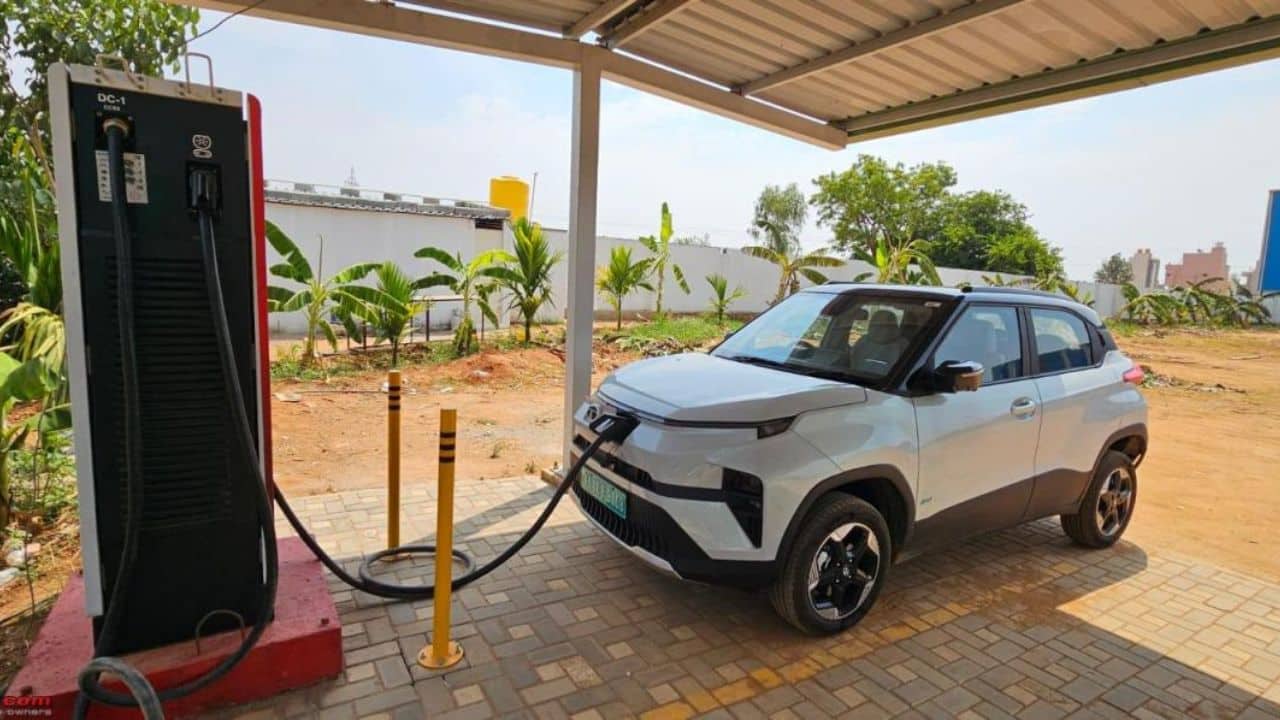
Public charging infrastructure has not kept pace with that growth. India had 52,718 public EV charging stations as of March 31, 2026, per Vahan portal and Bharat Heavy Electricals data. Under the PM E-DRIVE scheme, 4,874 newly sanctioned chargers were approved in July with a financial commitment of roughly ₹503.86 crore, working out to about ₹10 lakh of support per charger. Industry estimates suggest India would need over 13 lakh public charging points, more than 40 times the current base, to hit a 30% EV penetration target by 2030.
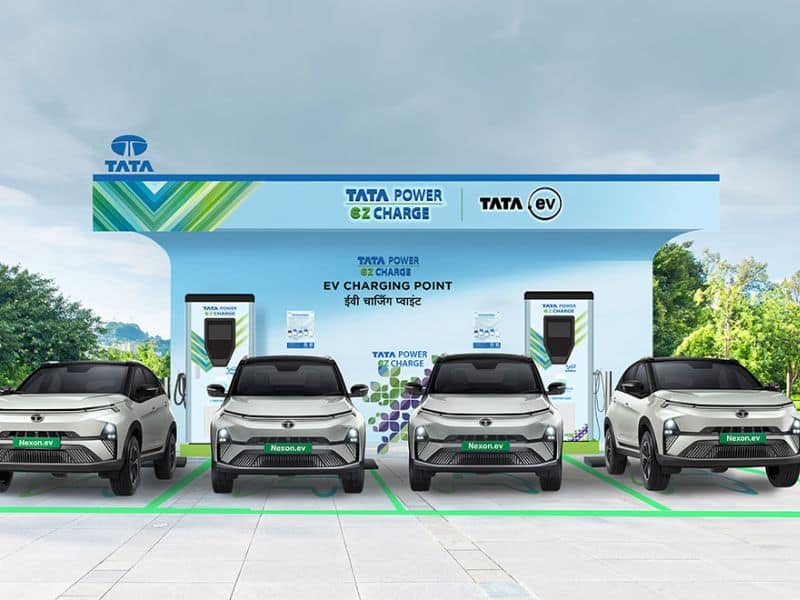
The on-ground picture is uneven by geography. Around 91% of national highways now have a charger roughly every 50 km, with private networks including Tata Power’s MegaCharger hubs, EZ Charge, Statiq, ChargeZone, and Jio-bp expanding along high-traffic corridors. City-level ownership with home or office charging access is described by industry trackers as a largely solved problem for existing EV owners, while public charging remains a convenience rather than a dependency in that scenario. The constraint is more acute for buyers without dedicated home charging and for long-distance intercity travel.
Frequently Asked Questions
How many electric cars were sold in India in July 2026?
India registered 32,036 electric passenger vehicles in July 2026, according to Vahan portal data, up 82.9% year-on-year but down 1.5% from June 2026’s 32,509 units.
Which company sold the most electric cars in India in July 2026?
Tata Motors led with 13,630 units and a 42.5% market share in July 2026, ahead of Mahindra (7,710 units, 24.1% share) and MG (5,665 units, 17.7% share).
What is India’s EV penetration rate for passenger vehicles as of July 2026?
EV penetration in the passenger vehicle segment stood at 7.7-7.9% in July 2026, depending on the tracking source (Nuvama and JMK Research respectively), broadly flat compared to June 2026.
How many public EV charging stations does India have?
India had 52,718 public EV charging stations as of March 31, 2026, per Vahan portal and Bharat Heavy Electricals data, with 4,874 additional chargers sanctioned under PM E-DRIVE in July 2026.
How many electric vehicles are registered in India as of 2026?
India crossed 10 million total registered electric vehicles across all categories as of July 26, 2026, according to figures shared by the Road Transport and Highways Ministry in the Lok Sabha.