
The government has pushed back on the idea that India’s EV policy begins and ends with purchase subsidies.
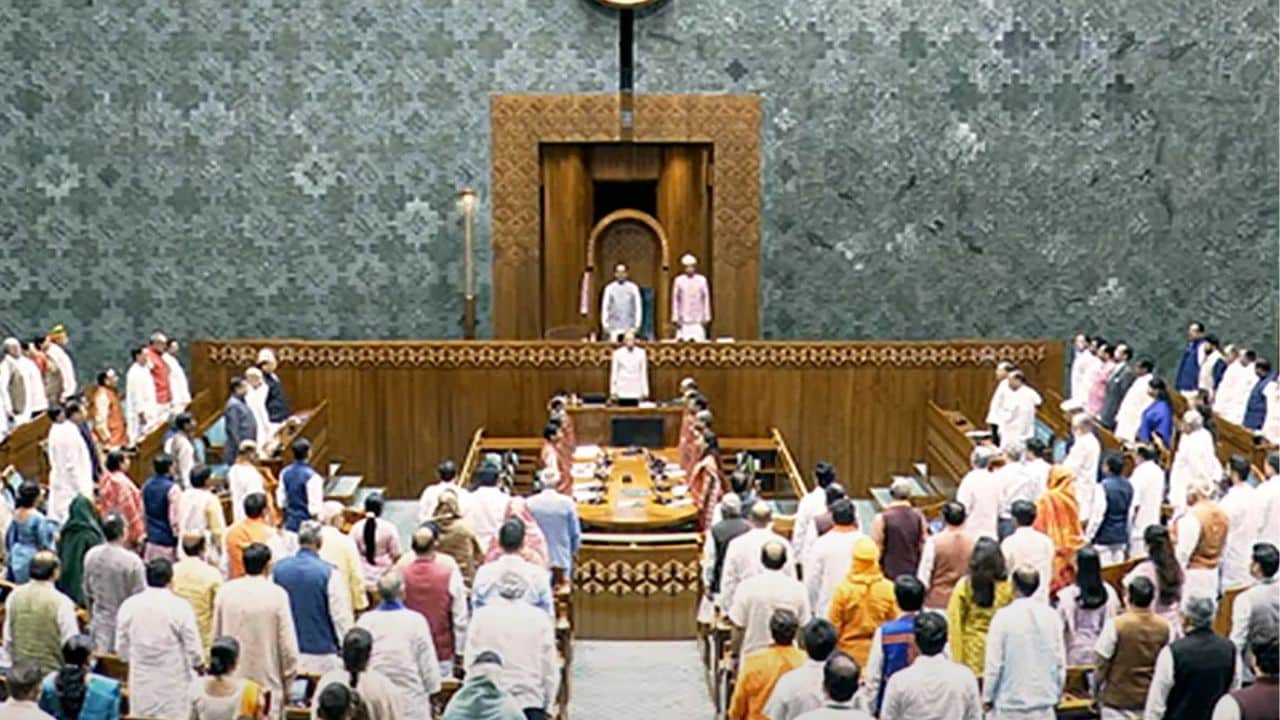
In a written reply to the Lok Sabha on July 28, 2026, Minister of State for Heavy Industries Bhupathiraju Srinivasa Varma said the current framework pairs demand-side schemes with supply-side manufacturing incentives, calling the combination a deliberate structural push rather than just a way to make EVs cheaper at the showroom.
What the Minister actually said
The reply drew a clear line between two kinds of intervention. Demand-side schemes like FAME-II and PM E-DRIVE work by cutting the upfront cost a buyer pays. Supply-side schemes, mainly the Production Linked Incentive (PLI) programs for the automobile and Advanced Chemistry Cell (ACC) battery sectors, push manufacturers toward higher technology adoption and greater Domestic Value Addition (DVA).
Varma also pointed to the Phased Manufacturing Programme (PMP), which he described as the mechanism forcing the domestic manufacturing of critical EV components over time rather than allowing indefinite import dependence.
🚀 Join Our Tech Community!
Get the latest news, updates, and tech trends delivered straight to your phone. Never miss an update!
The numbers behind the roadmap
For readers tracking where the money actually goes, the reply attached specific figures:
- FAME-II concluded with a total outlay of Rs 11,500 crore.
- PM E-DRIVE, its successor, carries an allocation of Rs 10,900 crore.
- The PLI Scheme for Automobile and Auto Components has a budgetary outlay of Rs 25,938 crore.
- The PLI Scheme for ACC Battery Storage carries an allocation of Rs 18,100 crore.
- PM e-Bus Sewa’s Payment Security Mechanism (PSM) has an outlay of Rs 3,435.33 crore.
The Scheme for Promotion of Manufacturing of Electric Passenger Cars in India (SPMEPCI) was also named as part of the broader push, alongside these central schemes.
No fixed 2047 target, and no state-wise fund split
Two clarifications in the reply are worth flagging for anyone tracking policy certainty rather than just spending. First, the government confirmed it has not fixed a specific target for the number of EVs on Indian roads by 2047, a notable gap given how often that year gets used as India’s net-zero marker in other policy conversations.
Second, on state coordination: several states have notified their own dedicated EV policies that sit alongside the central schemes. But because the Ministry of Heavy Industries’ programs are structured as demand-driven rather than allocation-based, there is no state-wise breakup of central funds. States get to layer their own incentives on top, but the central pool isn’t divided by geography.
Why this matters
For dealers and OEMs, the reply is really a confirmation of direction rather than a policy change: FAME-II is closed, PM E-DRIVE is the active demand-side vehicle, and the PLI-ACC combination remains the primary lever for building battery and component manufacturing at home. The absence of a 2047 numeric target, though, means EV sales forecasting in India continues to run on scheme-level signals rather than a stated national adoption goal, something TechyTrends.in will keep tracking as monthly EV sales and state-wise adoption data come in.