

₹1.5 lakh is the point where an Indian motorcycle stops being purely a transport appliance and starts having a personality. Below this budget you’re mostly looking at basic commuters. Cross into it and suddenly there’s real performance on offer, proper streetfighter styling, dual-channel ABS as standard on several models, and even Royal Enfield’s Hunter 350 sneaking in near the top of the range. It’s arguably the most competitive price band in the entire Indian two-wheeler market right now, and brands know it.
A quick note before the list: on-road price typically adds ₹15,000 to ₹35,000 on top of ex-showroom, depending on your state’s RTO charges and the insurance premium the specific model attracts. A ₹1.5 lakh ex-showroom bike can easily land at ₹1.65 to ₹1.85 lakh on-road in cities like Mumbai or Bengaluru, where RTO taxes run higher than in Delhi. Confirm the exact figure with your dealer before you finalize a budget.
TVS Apache RTR 160 4V: The Segment Benchmark
Priced around ₹1.19 lakh ex-showroom, the Apache RTR 160 4V has been the bike other manufacturers in this bracket get measured against for years now, and it’s still earning that reputation. TVS tuned the chassis specifically for confident cornering, and the brakes bite hard when you actually need them to. Mileage sits around 57 kmpl, respectable for a bike this focused on performance rather than pure economy.
The riding position leans slightly sporty without becoming uncomfortable on a daily commute, which is the balance most buyers in this segment are actually looking for. If there’s a knock against it, it’s that the segment has caught up in recent years, rivals now match or beat it on individual specs even if the overall package still holds up.
🚀 Join Our Tech Community!
Get the latest news, updates, and tech trends delivered straight to your phone. Never miss an update!
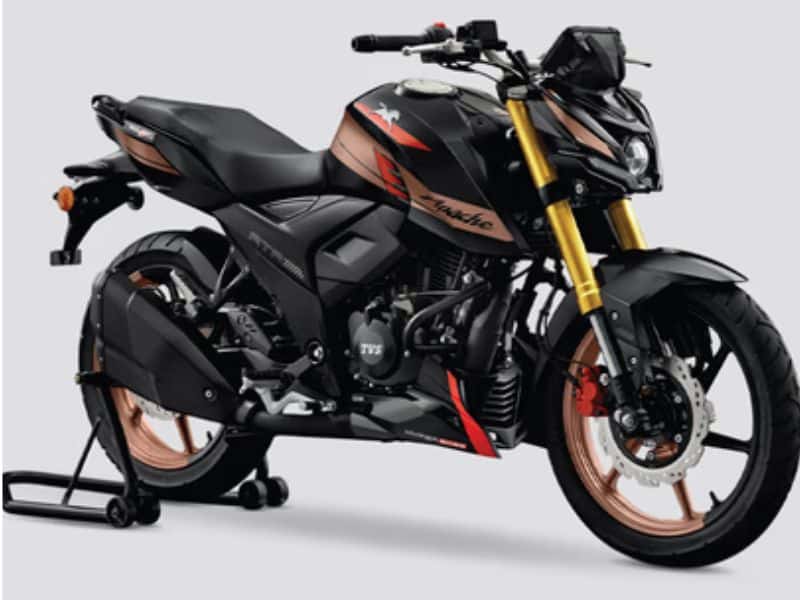
Bajaj Pulsar N160: Heritage With Modern Hardware
Bajaj’s Pulsar badge carries three decades of goodwill in India, and the N160 leans on that while genuinely modernizing the formula underneath. Expect dual-channel ABS as standard, a proper LED setup, and a chassis that feels planted through fast direction changes in a way older Pulsar generations never quite managed.
Where the N160 pulls ahead of some rivals is outright everyday usability. It’s not the single sportiest bike here, but it balances performance, comfort, and running cost about as well as anything in this price band, which is exactly why several independent reviewers keep calling it the best all-rounder under ₹1.5 lakh.
Yamaha FZ-S Fi V4: Muscular Looks, City-Friendly Manners
Yamaha built its reputation in this segment on the FZ-S line’s distinctive muscular stance, and the V4 generation keeps that visual identity while sharpening the ride. The upright posture and relatively light clutch action make it genuinely easy to live with in dense traffic, something not every sporty-looking bike here manages.
Power delivery is smooth rather than explosive, which suits riders who want a confident, unhurried feel over outright aggression. It’s not the bike to pick if raw acceleration numbers are your priority, but for a daily rider who wants their commute to look good doing it, the FZ-S remains a strong, understated choice.
Hero Xtreme 125R: The Value Argument
Here’s a genuinely different pitch than everything above. The Xtreme 125R starts around ₹91,500, comfortably below most of this list, yet still brings LED lighting, a digital console, and styling that doesn’t scream “budget bike” the way older Hero commuters did. Fuel efficiency stays strong given the smaller 125cc engine, and Hero’s service network reach is unmatched anywhere in the country, a real practical advantage if you live outside a major city.
It won’t out-corner the Apache or out-muscle the Pulsar N160, and it’s genuinely a step down in outright performance from the 160cc bikes on this list. But if the goal is maximum value per rupee rather than maximum thrill, this is where a lot of buyers in this bracket should actually be looking.
TVS Raider 125: Style-First, Priced Like a Commuter
The Raider 125 sits around the same price territory as the Xtreme 125R and pitches itself almost entirely on design. TVS gave it sharper bodywork, a distinctive LED signature, and connected features on higher trims that undercut the technology you’d expect to pay a premium for elsewhere. It has real pep off the line too, more than a typical commuter, without straying into thirsty fuel-consumption territory.
Ride quality is on the firmer side compared to the Xtreme 125R, something worth test-riding before committing if your daily route includes a lot of broken patches. For a younger buyer who wants their bike to look distinct parked outside college or the office, it’s one of the strongest picks in this entire budget band.
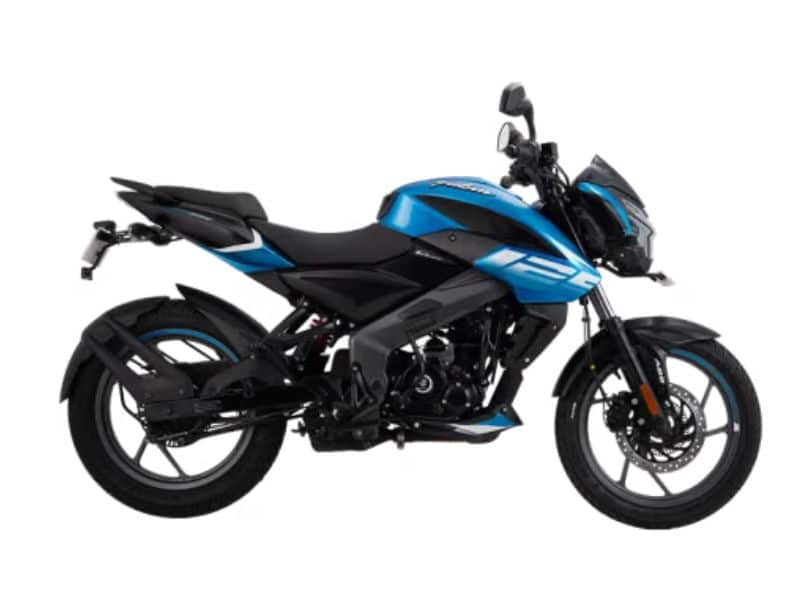
Bajaj Pulsar NS125: A Streetfighter Look at Commuter Money
Bajaj squeezed genuine streetfighter styling and telescopic front forks into a 124.45cc package that stays well within this budget. It makes around 11.6 bhp, enough to feel noticeably livelier than a pure commuter without the running costs jumping the way they do on a full 160cc bike. This is arguably the best-looking bike under ₹1 lakh territory that still carries real Pulsar performance DNA.
The trade-off is that it’s still fundamentally a 125cc bike wearing a bigger bike’s clothes, don’t expect it to keep pace with the Apache or N160 on an open highway. For city riders who want visual drama on a commuter budget, though, it’s hard to beat.
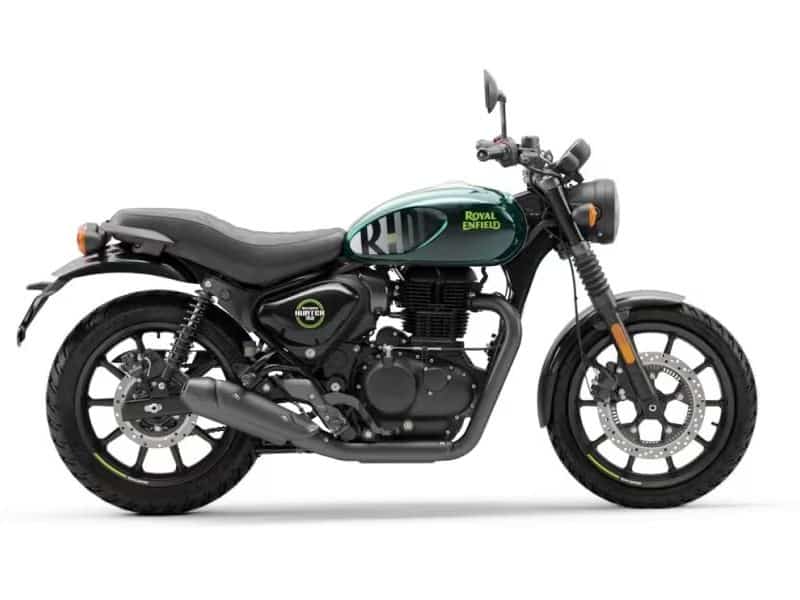
Royal Enfield Hunter 350: The Odd One Out, In a Good Way
At roughly ₹1.38 lakh ex-showroom, the Hunter 350 is the lightest and most accessible bike in Royal Enfield’s entire 350cc lineup, and it’s the one genuine departure from the performance-commuter formula that defines the rest of this list. The air-cooled single has a completely different character, less about acceleration numbers, more about a relaxed, torquey ride and that distinctive RE exhaust note.
It’s heavier and thirstier than every other bike here, and outright cornering agility isn’t its strength the way it is for the Apache or N160. But for a buyer specifically drawn to the Royal Enfield ownership culture and retro styling, at this price point there’s genuinely nothing else on this list that scratches that particular itch.
Comparison at a Glance
| Motorcycle | Approx. Ex-Showroom Price | Standout Strength | Best For |
|---|---|---|---|
| TVS Apache RTR 160 4V | ~₹1.19 lakh | Cornering confidence, braking | Riders who want engaging handling |
| Bajaj Pulsar N160 | ~₹1.25–1.35 lakh | All-round balance | Everyday riders wanting one do-it-all bike |
| Yamaha FZ-S Fi V4 | ~₹1.25–1.35 lakh | City manners, muscular styling | Daily commuters who want smooth power delivery |
| Hero Xtreme 125R | ~₹91,500 | Value and service reach | Budget-focused buyers outside metros |
| TVS Raider 125 | ~₹90,000–1 lakh | Styling and connected features | Younger buyers prioritizing looks |
| Bajaj Pulsar NS125 | ~₹95,000–1.05 lakh | Streetfighter looks at commuter cost | City riders wanting visual drama |
| Royal Enfield Hunter 350 | ~₹1.38 lakh | Character and RE ownership culture | Buyers drawn to retro styling and community |
What Separates This Segment From the Under-₹1-Lakh Bracket
The single biggest jump moving into this budget is dual-channel ABS becoming genuinely common rather than an occasional feature, which matters directly for braking stability on wet or gravelly roads. You’ll also see proper LED lighting setups and digital instrument clusters as standard on most of these bikes, rather than reserved for a top-end variant the way they often are below ₹1 lakh.
Mileage does drop compared to pure commuters. Where a Splendor Plus-type bike returns 70-plus kmpl, most bikes in this list settle somewhere between 45 and 57 kmpl in real-world riding, the trade-off for the extra performance and features you’re getting.
Frequently Asked Questions
Is the TVS Apache RTR 160 4V still the best all-round bike under ₹1.5 lakh in 2026?
It remains one of the strongest picks for riders who prioritize handling and braking confidence, though the Bajaj Pulsar N160 has closed the gap significantly on overall everyday usability. Which one wins depends on whether you value cornering sharpness or all-round balance more.
Does the Royal Enfield Hunter 350 make sense as a first motorcycle?
It can, but its weight and different riding character mean it rewards riders who’ve already built some low-speed handling confidence. A completely new rider might find the smaller, lighter bikes on this list, like the Xtreme 125R or Raider 125, easier to learn on first.
Which bike here has the lowest running cost?
The Hero Xtreme 125R and TVS Raider 125 both sit at the lower end of this price bracket while still returning strong mileage for their class, making them the most economical picks on this list if running cost is your main priority.
If you want the sharpest handling and don’t mind paying slightly more, the TVS Apache RTR 160 4V still earns its reputation. For most everyday riders who want one bike that does everything reasonably well without major compromises, the Bajaj Pulsar N160 is the smartest all-round pick in this budget. Buyers chasing maximum value per rupee should look at the Hero Xtreme 125R instead of stretching for a 160cc bike they may not fully use. And if character and the Royal Enfield community matter more to you than outright performance figures, the Hunter 350 is worth every extra rupee over the rest of this list. Decide what you actually want from the ride first, the right bike in this bracket follows from that.