

Electric motorcycles in India used to mean one bike, the Revolt RV400, and not much else worth taking seriously. That’s changed fast. The segment now spans genuine ₹1 lakh commuters right up to a ₹3 lakh performance machine that can hit 152 km/h and out-accelerate plenty of petrol superbikes off the line. What hasn’t changed is that this is still a young, fast-moving category, so range figures, charging infrastructure, and after-sales support vary far more between brands here than they do in the mature petrol segment.
Running cost is where electric motorcycles make their strongest case. Charging typically works out to roughly ₹0.30 to ₹0.50 per kilometer, against ₹2.50 to ₹4 per kilometer for a comparable petrol motorcycle. Over 20,000 km a year, that gap alone can save well over ₹50,000, though the math only pays off if you have reliable home or workplace charging access.
Revolt RV400: The Commuter That Started It All
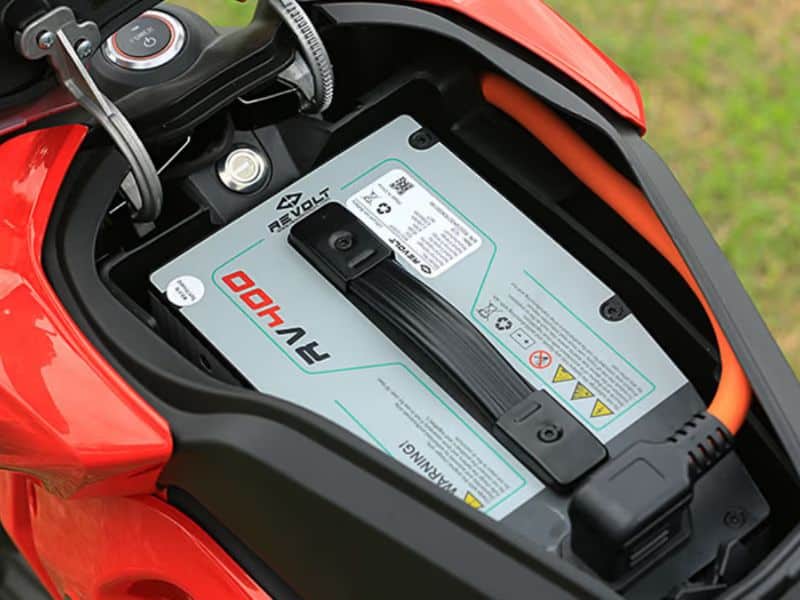
Priced around ₹1.38 to ₹1.40 lakh, the RV400 remains India’s best-selling electric motorcycle, and it earns that position on genuine merit rather than just first-mover advantage. Its removable battery is the standout practical feature here, you can pull it out and charge it at your desk or apartment without needing a dedicated home charger installed. Range sits around 150 km on a full charge, and top speed of 85 km/h is more than enough for city and semi-urban riding.
Revolt also built in app-based riding modes and a distinctive engine-sound simulation that some riders love and others find gimmicky. Where it falls short is highway usability, 85 km/h is a hard ceiling, and the 150 km range shrinks noticeably with aggressive throttle use or a heavier rider.
🚀 Join Our Tech Community!
Get the latest news, updates, and tech trends delivered straight to your phone. Never miss an update!
Oben Rorr Evo: A Sharper-Looking Alternative at Similar Money
Around ₹1.25 lakh gets you the Oben Rorr Evo, a motorcycle that leans harder into looking like a conventional petrol streetfighter than the RV400 does. Oben has focused on giving it more usable mid-range punch, which shows up in how it handles quick overtakes in city traffic compared to some rivals in this bracket.
Service network is the real question mark here. Oben’s dealer footprint is still expanding and doesn’t yet match Revolt’s reach, so it’s worth checking availability in your specific city before getting too attached to the styling. For buyers in a city where Oben already has a presence, it’s a genuinely competitive pick against the RV400.
Komaki Ranger: More Range for a Bit More Money
The Komaki Ranger pushes past the typical entry-commuter bracket at around ₹1.68 lakh, and the extra spend buys a meaningfully longer 180 km range compared to the RV400’s 150 km. For riders with a longer daily commute or less predictable access to charging, that extra buffer matters more than it might look on paper.
It’s a newer name than Revolt in the Indian market, so long-term reliability data is thinner, and resale value is harder to predict this early in the brand’s life here. Riders who prioritize range over brand track record should still put it on their shortlist.
Tork Kratos R: The Balanced Mid-Premium Pick
At roughly ₹2.07 lakh, the Kratos R sits in an interesting middle ground, more expensive than the commuter-focused bikes above, but far more attainable than Ultraviolette’s flagship. Tork has built a reputation for a genuinely well-sorted chassis and motor tune that feels closer to a proper motorcycle than a converted commuter platform, and several reviewers specifically call it out as offering the best balance of performance and everyday practicality in the segment right now.
It doesn’t chase the outright speed numbers that Ultraviolette’s bikes do, and that’s arguably the point. If your interest is a genuinely capable electric motorcycle rather than a straight-line performance flex, this is worth a serious test ride before you default to a bigger name.
Ultraviolette X47 Crossover: Adventure Styling Meets Electric Power
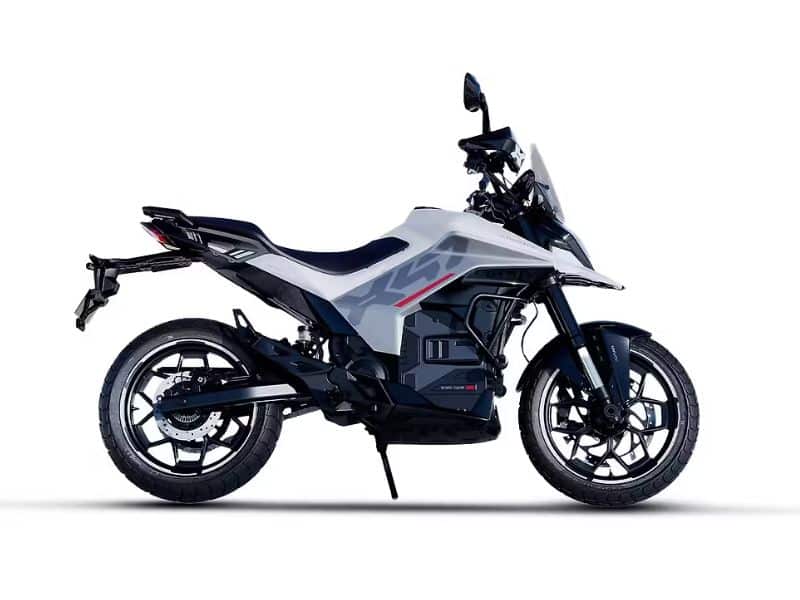
Ultraviolette’s X47 Crossover starts around ₹2.49 to ₹2.50 lakh and takes a different shape entirely, an ADV-crossover stance with higher ground clearance and a more upright, commanding riding position than the naked streetfighter layout most electric bikes on this list use. Range runs from 211 km up to 323 km depending on the riding mode and battery variant, genuinely competitive figures even against some petrol equivalents in the same price bracket.
It’s priced well above the commuter segment, and that’s a real barrier for a lot of first-time EV bike buyers. But for someone who wants a motorcycle that can handle both a city commute and a rougher weekend road without switching bikes, and who’s already decided to go electric, it’s one of the more distinctive options on the market.
Ultraviolette F77: India’s Fastest Electric Motorcycle
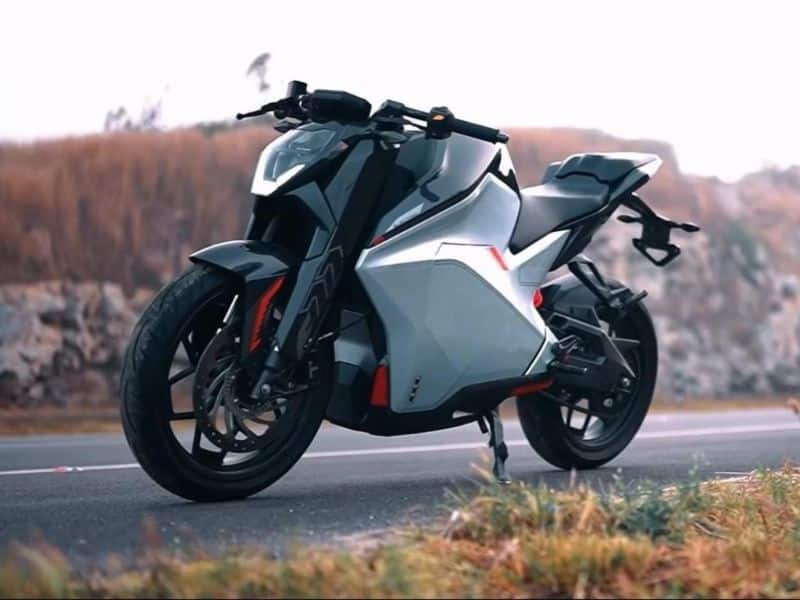
There’s no getting around it, the F77 is the halo bike of this entire list, and its roughly ₹3.09 lakh starting price reflects that positioning. Top speed of 152 km/h and a claimed range between 211 and 323 km depending on variant put it genuinely ahead of every other electric motorcycle sold in India today, and reviewers consistently describe the aerospace-influenced build quality and ride feel as a real step up from the rest of the segment.
This isn’t a bike aimed at someone shopping on running cost alone. At this price, several capable petrol motorcycles are also in range, and buyers considering the F77 are typically doing so because they specifically want the fastest, most technologically advanced electric bike available, not because the economics uniquely favor it over a petrol alternative.
Royal Enfield Flying Flea C6: The Newest Big Name in the Segment
Royal Enfield’s first serious electric motorcycle play landed in India in April 2026 at around ₹2.79 lakh, and it’s worth watching closely simply because of who’s behind it. Early reviews describe a genuinely strong first attempt, RE’s decades of chassis and ergonomics experience clearly carries over, even in an all-new electric platform.
It’s early days for long-term reliability data and resale value, the same caveat that applies to any freshly launched model regardless of brand pedigree. But Royal Enfield’s service network is already the deepest of any brand entering this space, which meaningfully de-risks the ownership experience compared to newer, smaller EV-only manufacturers.
Comparison at a Glance
| Electric Motorcycle | Approx. Ex-Showroom Price | Claimed Range | Best For |
|---|---|---|---|
| Revolt RV400 | ₹1.38–1.40 lakh | 150 km | Proven commuter with removable battery |
| Oben Rorr Evo | ₹1.25 lakh | Not specified | Sharper styling at commuter pricing |
| Komaki Ranger | ₹1.68 lakh | 180 km | Longer daily range in the commuter bracket |
| Tork Kratos R | ₹2.07 lakh | Not specified | Balanced performance and practicality |
| Ultraviolette X47 Crossover | ₹2.49–2.50 lakh | 211–323 km | ADV-style riding position, mixed terrain |
| Ultraviolette F77 | ₹3.09 lakh | 211–323 km | Outright speed and flagship tech |
| Royal Enfield Flying Flea C6 | ₹2.79 lakh | Not specified | Established brand backing, deep service reach |
What to Actually Check Before Buying an Electric Motorcycle
Charging access matters more than the spec sheet. A bike with a removable battery, like the RV400, is genuinely more practical if you don’t have a dedicated home charging point, since you can charge it indoors without any installation.
Service network reach varies enormously by brand. Revolt and Royal Enfield currently have the widest dealer footprints among the names on this list. Smaller, newer brands may have excellent products but a thinner service network, worth confirming for your specific city before buying.
Real-world range runs below the claimed figure. As with petrol mileage claims, expect real-world range to come in meaningfully lower than the manufacturer’s rated number once you factor in aggressive throttle use, rider weight, and city stop-start conditions.
Battery warranty terms differ significantly across brands. Always check the specific battery warranty period and capacity-retention guarantee before buying, since the battery is the single most expensive component to replace outside warranty.
If you just want a reliable, proven electric commuter and value the flexibility of a removable battery, the Revolt RV400 is still the safest starting point in this segment. Buyers who need more daily range without stepping up to premium pricing should look closely at the Komaki Ranger instead. For a genuinely well-rounded electric motorcycle that isn’t chasing headline speed numbers, the Tork Kratos R deserves more attention than it usually gets. And if outright performance and the latest technology are what you’re after, and budget isn’t the limiting factor, the Ultraviolette F77 is currently the fastest, most capable electric motorcycle sold in India. Match your choice to your actual charging access and daily distance first, the segment is moving fast enough that today’s spec sheet leader may not hold that title for long.
Frequently Asked Questions
Which electric motorcycle in India has the best range for daily commuting?
Among the commuter-focused options, the Komaki Ranger’s roughly 180 km claimed range beats the Revolt RV400’s 150 km, making it a stronger pick for riders with a longer daily commute. For genuinely longer range at a higher price, the Ultraviolette X47 and F77 both claim figures well above 200 km.
Is an electric motorcycle actually cheaper to run than a petrol one in India?
Yes, generally. Electricity typically costs roughly ₹0.30 to ₹0.50 per kilometer against ₹2.50 to ₹4 per kilometer for petrol, and maintenance is lower too since electric motorcycles skip engine oil changes, clutch wear, and spark plugs entirely.
Do I need a special license to ride an electric motorcycle in India?
Yes, for any electric motorcycle capable of more than 25 km/h, which covers every bike on this list, you need a standard two-wheeler license, the same requirement as a petrol bike. Only very low-speed e-bikes under 25 km/h and 250W are license-exempt.