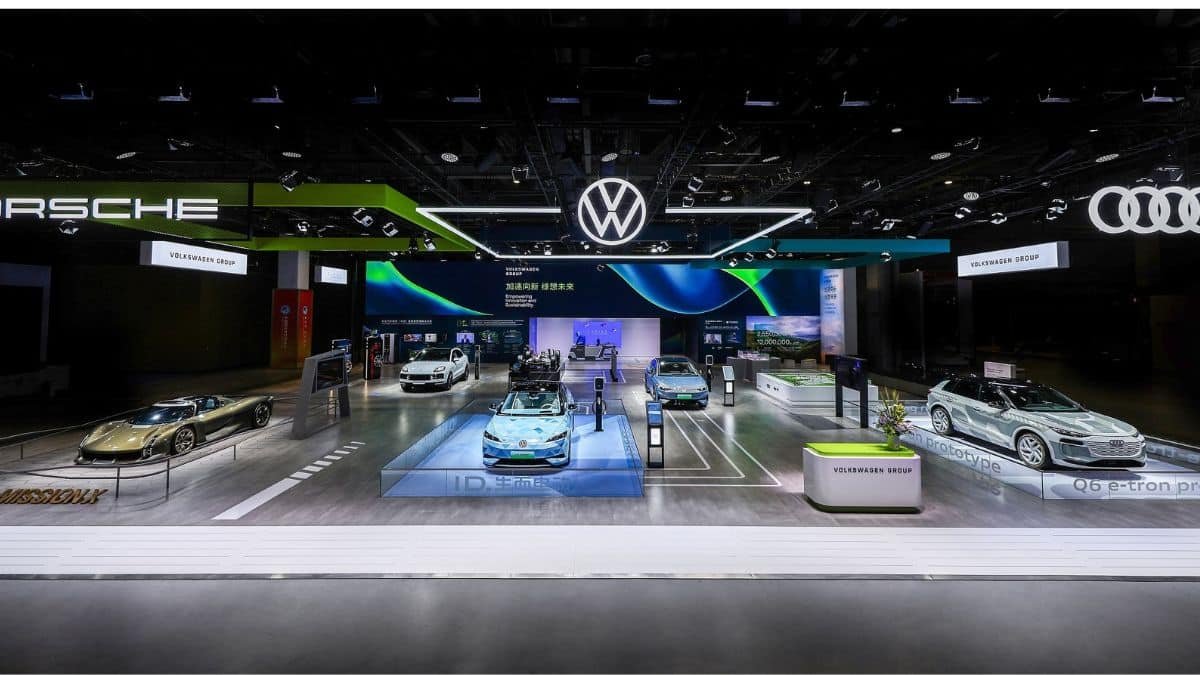

Volkswagen has announced a major shift in its China strategy, revealing plans to build the majority of the cars it offers in the Chinese market on a new electronic vehicle architecture by the year 2030. The move reflects the company’s effort to better match evolving customer preferences in China’s fast-changing automotive landscape.
China is currently the world’s largest automotive market, and Volkswagen remains one of the prominent foreign brands there. However, domestic rivals have made rapid progress in areas such as connectivity, software integration, and electric mobility. Volkswagen’s new architecture push is aimed at regaining competitive momentum.
Why the New Architecture Matters
The new vehicle platform is being developed with a software-centric philosophy at its core. Instead of relying on a large number of independent electronic control units scattered throughout the vehicle, the system consolidates many functions into fewer, more powerful computing modules.
This makes it easier to introduce updates, add new features, and support advanced digital systems such as connectivity, infotainment, driver assistance, and over-the-air software enhancements. Vehicles built on this architecture are expected to feel more modern, responsive, and adaptable over time.
🚀 Join Our Tech Community!
Get the latest news, updates, and tech trends delivered straight to your phone. Never miss an update!
Focus on Local Development and Integration
Volkswagen is expanding its local development operations in China to support this transition. Engineers based in the country are developing software and hardware components that are specifically tailored for Chinese buyers, who increasingly value digital features, seamless user experiences, and connected services.
By shifting more of the development work locally, Volkswagen hopes to shorten the time it takes to bring new models to market, while also enhancing the relevance of its products for regional customer expectations.
First Models and Production Plans
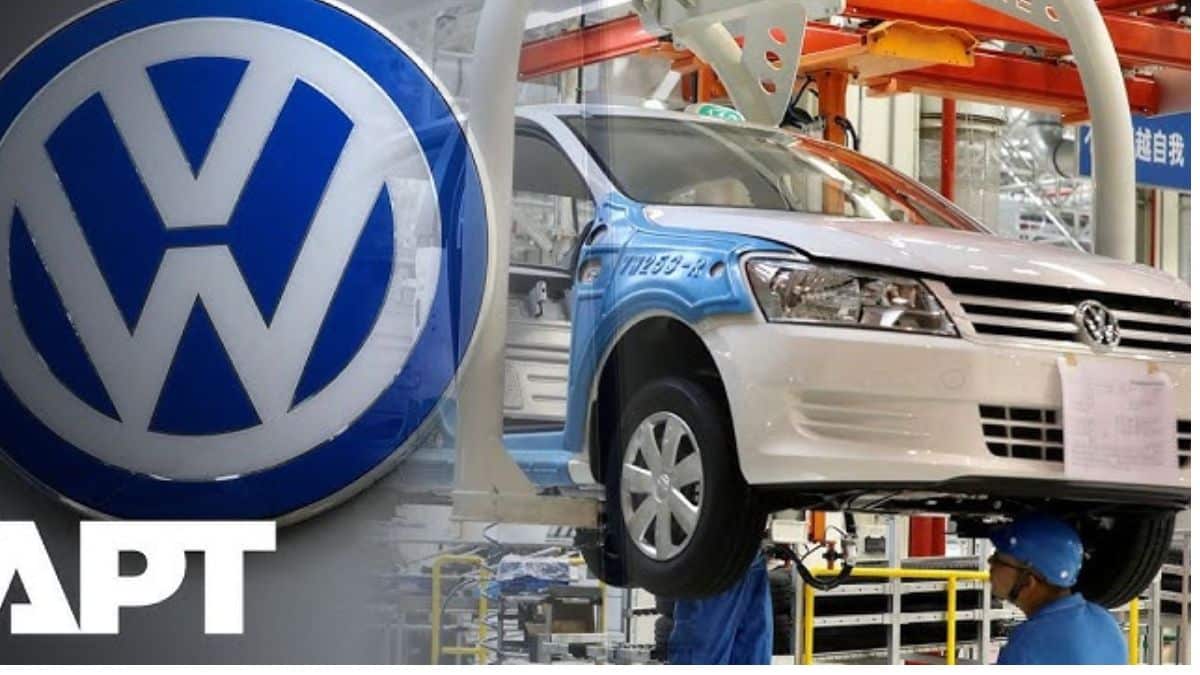
Production of the first vehicles using the new architecture has already begun at Volkswagen’s facilities in China, with an initial electric SUV model serving as the first example of the strategy in action. Over the next few years, Volkswagen plans to broaden this lineup to include more models, both electric and internal combustion, built on the unified architecture.
By 2030, the company aims for the majority of cars it sells in China to be based on this new platform, marking a comprehensive transition from legacy platforms to the modern architecture.
Expected Benefits for Volkswagen
Volkswagen expects several advantages from this strategic shift. Simplified electronics and centralised computing can cut development time and reduce costs. Faster model updates and more seamless software capabilities are likely to make vehicles more attractive to tech-savvy customers.
Cost savings could also help Volkswagen offer more competitive pricing and enhance profitability, even as prices and options vary across different vehicle segments in China.
Implications for the Chinese Automotive Market
This development reflects a broader trend in the global auto industry toward software-defined vehicles. In China, where consumers increasingly prioritise digital experiences, Volkswagen’s new architecture could help the brand respond more quickly to market trends and customer demands.
Strengthening local engineering expertise and shifting a significant portion of production to the new platform also reinforces China’s role as a key innovation hub for Volkswagen’s future global products.