
By using this site, you agree to the Privacy Policy and Terms of Use.
Accept
Techy TrendsTechy TrendsTechy Trends
  • Home
  • News
  • Guide
  • Automobiles
  • Electric Vehicles
  • Upcoming Vehicles
  • Stories
Reading: Turbo Petrol vs Naturally Aspirated Engine in Indian City Traffic: Which Is Cheaper to Maintain After 5 Years?
Share
Techy TrendsTechy Trends
Search
  • Home
  • News
  • Guide
  • Automobiles
  • Electric Vehicles
  • Upcoming Vehicles
  • Stories
Follow US
  • News
  • Guide
  • Automobiles
  • Electric Vehicles
  • Upcoming Vehicles
© 2026 Techy Trends. All Rights Reserved.
Automobiles

Turbo Petrol vs Naturally Aspirated Engine in Indian City Traffic: Which Is Cheaper to Maintain After 5 Years?

Mohammed Abdul Majid
Last updated: February 19, 2026 6:41 pm
By Mohammed Abdul Majid 4 months ago
Share
3 Min Read
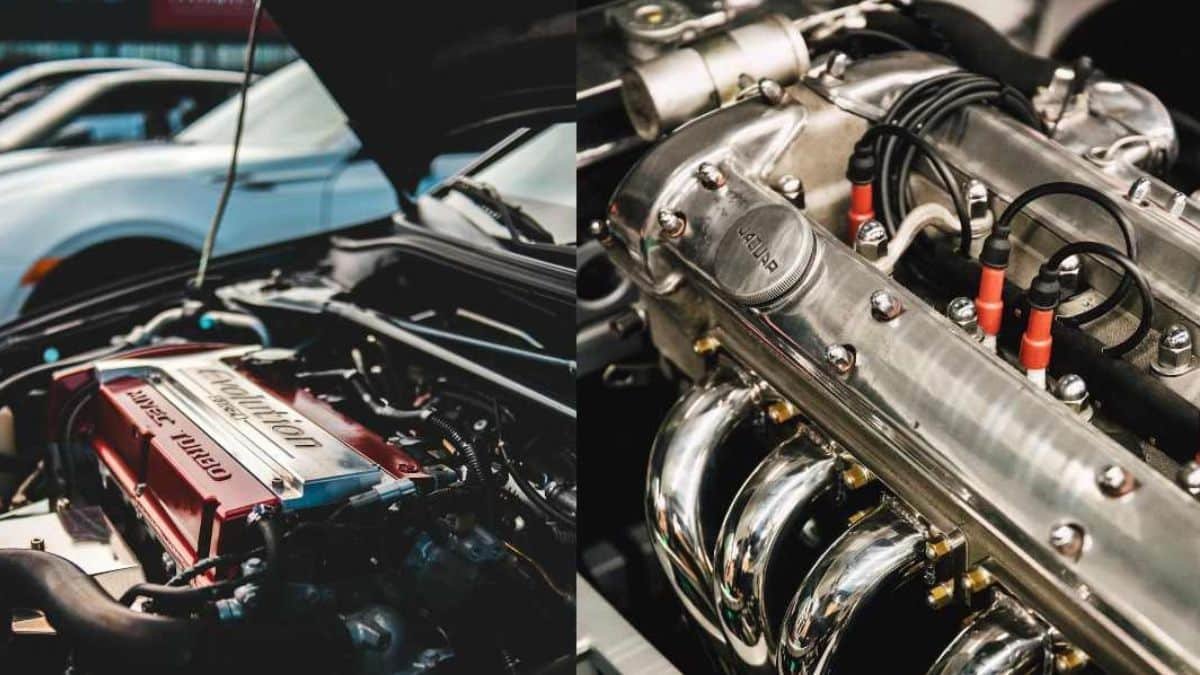
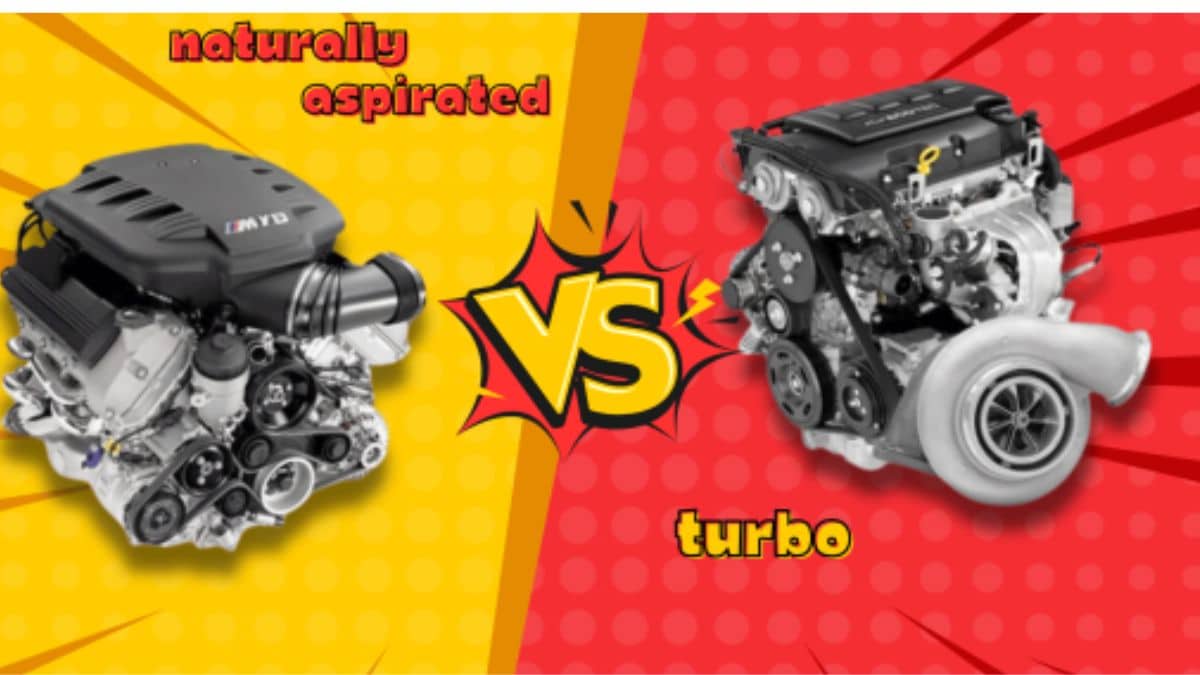
Turbo petrol and naturally aspirated engine comparison in Indian city traffic
SHARE
Turbo petrol and naturally aspirated engine comparison in Indian city traffic

Choosing between a turbo petrol and a naturally aspirated engine is no longer about performance alone. In Indian metro traffic, where average speeds drop below 25 km/h, maintenance patterns change significantly. What feels powerful during a test drive may behave very differently after five years of daily commuting.

Contents
How Turbo Engines Behave in Urban TrafficNaturally Aspirated Engines: Simpler but Slower?Maintenance Cost After 5 Years: The Real DifferenceWhich One Is Cheaper to Maintain?

For buyers planning long term car ownership cost, understanding mechanical stress in stop-and-go driving becomes more important than brochure numbers.

How Turbo Engines Behave in Urban Traffic

Turbo petrol engines deliver strong low-end torque, which helps in overtaking and quick acceleration. However, constant braking and crawling traffic mean frequent boost cycles. Over time, this can increase turbocharger repair cost if maintenance is delayed.

Modern small-capacity turbo units are efficient, but heat buildup in bumper-to-bumper traffic affects engine components. Owners of Turbo Petrol SUVs in India often notice that strict service schedules become essential to avoid long-term wear.

🚀 Join Our Tech Community!

Get the latest news, updates, and tech trends delivered straight to your phone. Never miss an update!

📱 Join Telegram 💬 Join WhatsApp Channel

Fuel efficiency in city traffic may also drop sharply if the turbo is frequently engaged.

Naturally Aspirated Engines: Simpler but Slower?

Naturally aspirated engines rely on linear power delivery without forced induction. In heavy traffic, their predictable throttle response reduces mechanical stress. This often improves naturally aspirated engine reliability over extended usage.

Because there is no turbocharger assembly, fewer high-pressure components are involved. Over five years, engine maintenance cost India figures for NA engines tend to be more stable, especially for drivers who mostly commute within city limits.

However, highway overtaking requires higher revving, which slightly impacts city traffic fuel efficiency balance.

Maintenance Cost After 5 Years: The Real Difference

When calculating expenses over five years, consider:

Service intervals
Oil quality requirements
Cooling system stress
Clutch wear in traffic
Sensor replacements

Turbo engines may require premium engine oil and careful cooldown practices. While not dramatically expensive, cumulative servicing costs can be higher compared to simpler NA setups.

Urban driving patterns matter. Just like transmission durability depends on Indian City Driving Conditions, engine wear also varies based on traffic density and driving style.

Which One Is Cheaper to Maintain?

For pure city commuters driving under 12,000 km per year, naturally aspirated engines often prove slightly cheaper to maintain. The absence of turbo hardware reduces potential high-cost repair scenarios.

For mixed city-highway users, turbo petrol engines may justify their maintenance premium with better drivability and overtaking safety.

The difference is not dramatic in the first three years. The real cost gap appears between years four and five when parts begin aging beyond warranty coverage.

Share This Article
Facebook Twitter Whatsapp Whatsapp Copy Link
Share
By Mohammed Abdul Majid
Follow:
A versatile automotive strategist and Digital Marketer at Al-Futtaim, he combines deep industry expertise with modern digital growth strategies to drive innovation, market expansion, and sustainable mobility in the automotive niche.
Previous Article Nissan EV Strategy for India to Be Demand-Driven Nissan to Align India EV Plans With Market Demand
Next Article Volkswagen Tayron R-Line three-row SUV launched in India Volkswagen Tayron R-Line Launched at Rs 46.99 Lakh
Leave a Comment

Leave a Reply Cancel reply

Your email address will not be published. Required fields are marked *

Stay Connected

235.3kFollowersLike
69.1kFollowersFollow
11.6kFollowersPin
56.4kFollowersFollow
136kSubscribersSubscribe
4.4kFollowersFollow
- Advertisement -
Ad imageAd image

Latest News

2026 Kawasaki Versys 650 Launched in India at ₹8.63 Lakh
Upcoming Vehicles 2 weeks ago
How to Choose the Right Bike for Indian Roads
Guide 4 weeks ago
EV Battery Replacement Anxiety: What Indian Owners Should Realistically Expect
Upcoming Vehicles 4 weeks ago
Kia Seltos SUV driving on Indian road showcasing modern design, LED headlights, premium interior and compact SUV styling
Not EV, Not Petrol: Why Plug-in Hybrid SUVs Could Be India’s Next Big Trend
Upcoming Vehicles 1 month ago
//

India’s leading digital platform for the business, tech, and trends driving the future of mobility.

Quick Link

  • About us
  • Contact US
  • Disclaimer
  • Privacy Policy
  • Terms and Conditions

Top Categories

  • News
  • Guide
  • Automobiles
  • Electric Vehicles
  • Upcoming Vehicles

Sign Up for Our Newsletter

Subscribe to our newsletter to get our newest articles instantly!


Techy TrendsTechy Trends
Follow US
© 2026 Techy Trends . All Rights Reserved.
Welcome Back!

Sign in to your account

Username or Email Address
Password

Lost your password?