
Tesla’s Model 3 remains one of the most talked-about electric cars among Indian EV enthusiasts, even before its official launch. As Tesla prepares its long-term India strategy, the Model 3 is widely seen as the brand’s most realistic entry-level offering for Indian buyers seeking a premium electric sedan.
This guide explains what the Tesla Model 3 is, why it matters for India, and what buyers can realistically expect when Tesla eventually brings it to the country.
Why the Tesla Model 3 Matters for India
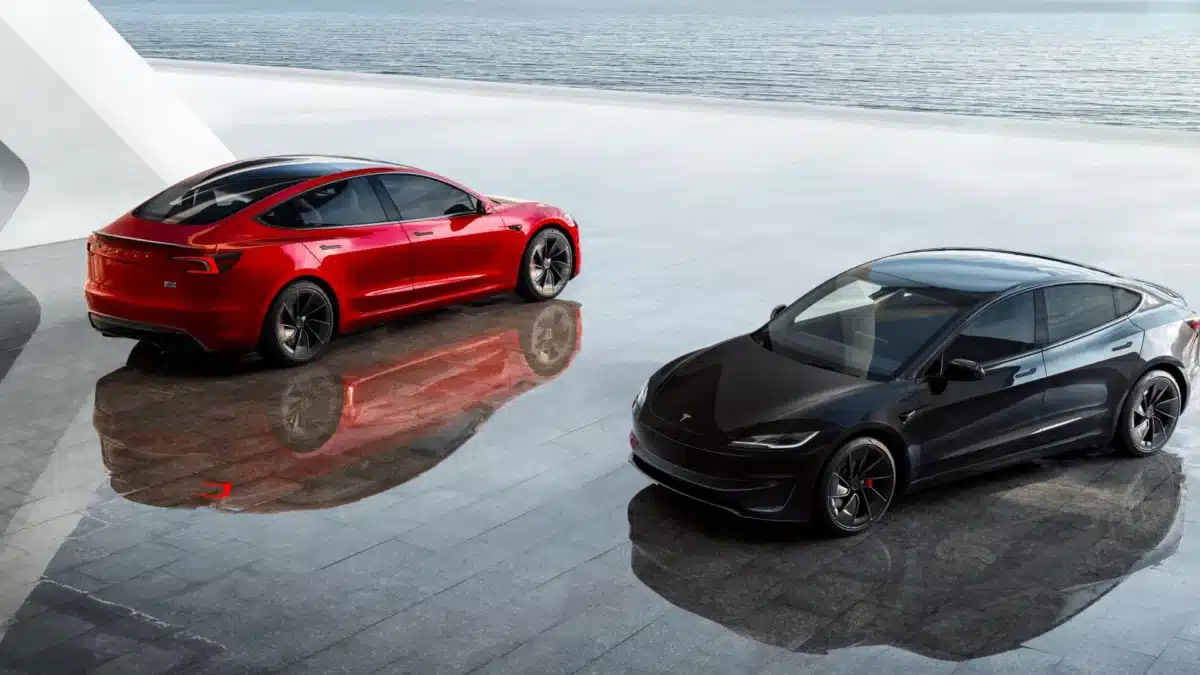
The Indian EV market is currently dominated by SUVs, while the premium electric sedan segment remains limited. The Tesla Model 3 fills this gap by offering:
- A globally proven electric sedan platform
- Strong performance combined with long driving range
- Advanced software-led driving experience
For buyers upgrading from luxury ICE sedans or premium EVs, the Model 3 represents a different approach to mobility — one focused on efficiency, technology, and minimalism.
Expected Positioning in the Indian Market
If launched in India, the Tesla Model 3 is expected to be positioned as a premium imported electric sedan initially. This would place it above mass-market EVs but directly against luxury electric sedans from German brands.
Key factors influencing its positioning:
- Imported-unit pricing structure
- Tesla’s charging ecosystem rollout
- Demand from metro cities with strong EV adoption
Tesla Model 3 – Global Powertrain and Range Overview
Globally, the Model 3 is sold in multiple configurations. Indian buyers can expect similar variants when it arrives:
- Rear-wheel-drive version focused on efficiency
- Long-range version aimed at highway users
- Performance-oriented version for enthusiasts
Depending on the variant, the Model 3 is known for:
- Long real-world driving range suitable for daily use
- Quick acceleration compared to traditional sedans
- Low running and maintenance costs compared to ICE luxury cars
Interior and Technology Experience
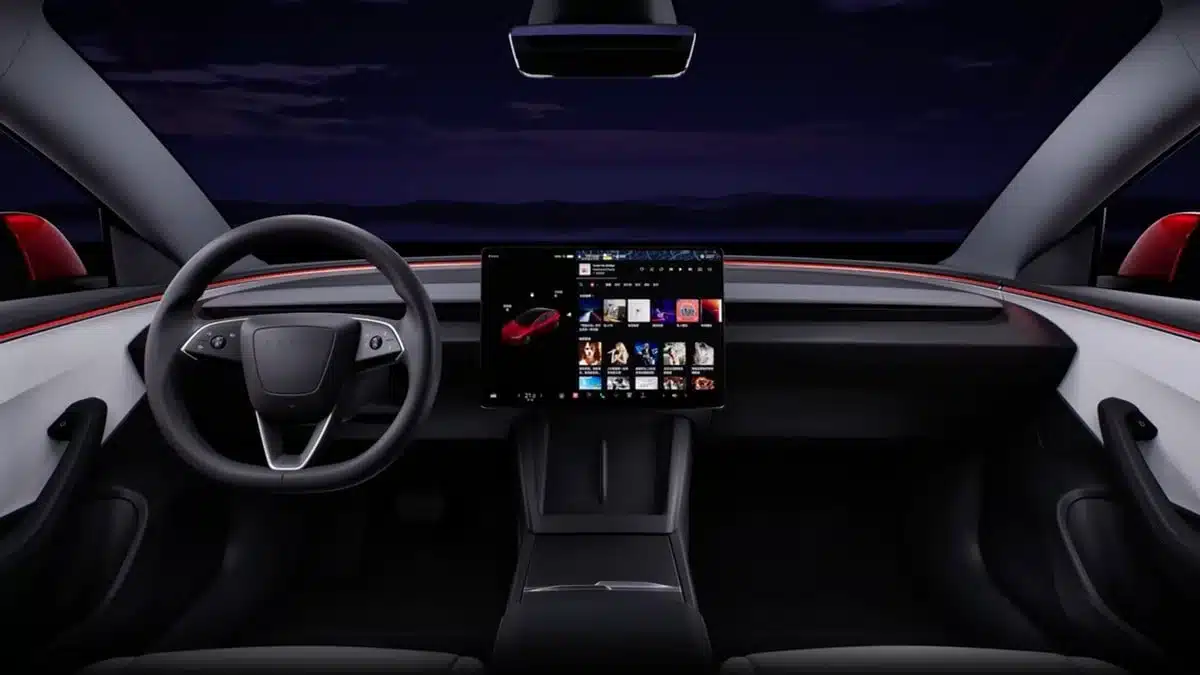
The Tesla Model 3 follows a minimalist interior philosophy that is very different from conventional cars:
- A large central touchscreen controls most functions
- Software-driven features updated over the air
- Advanced driver-assistance features depending on configuration
This approach appeals strongly to tech-savvy buyers but may require adjustment for those used to traditional button-heavy dashboards.
Charging and Ownership Expectations in India
Tesla’s ownership experience is closely tied to its charging network. In India, the Model 3’s success will depend on:
- Availability of fast-charging infrastructure in major cities
- Home charging feasibility for apartment owners
- Tesla’s service and support expansion
The Model 3’s efficient battery design makes it suitable for overnight home charging, which is expected to be the primary use case for Indian owners.
Expected Price Range in India
Industry estimates suggest the Tesla Model 3 could be priced in the ₹30–40 lakh range (ex-showroom) if introduced as an imported model. Final pricing will depend on:
- Import duties
- Variant selection
- Government EV policies at the time of launch
Local assembly in the future could significantly improve affordability, but no confirmation exists yet.
Who Should Wait for the Tesla Model 3
The Model 3 is best suited for buyers who:
- Want a premium electric sedan instead of an SUV
- Value software, technology, and efficiency
- Primarily drive in metro cities with EV infrastructure
Buyers looking for immediate delivery or lower price points may find better value in currently available EVs.
Conclusion
The Tesla Model 3 has the potential to reshape the premium electric sedan space in India once Tesla formally expands its product lineup beyond initial offerings. While timelines remain unconfirmed, interest in the Model 3 highlights growing maturity in Indian EV buyer preferences — moving beyond range anxiety toward technology, experience, and brand trust.
