
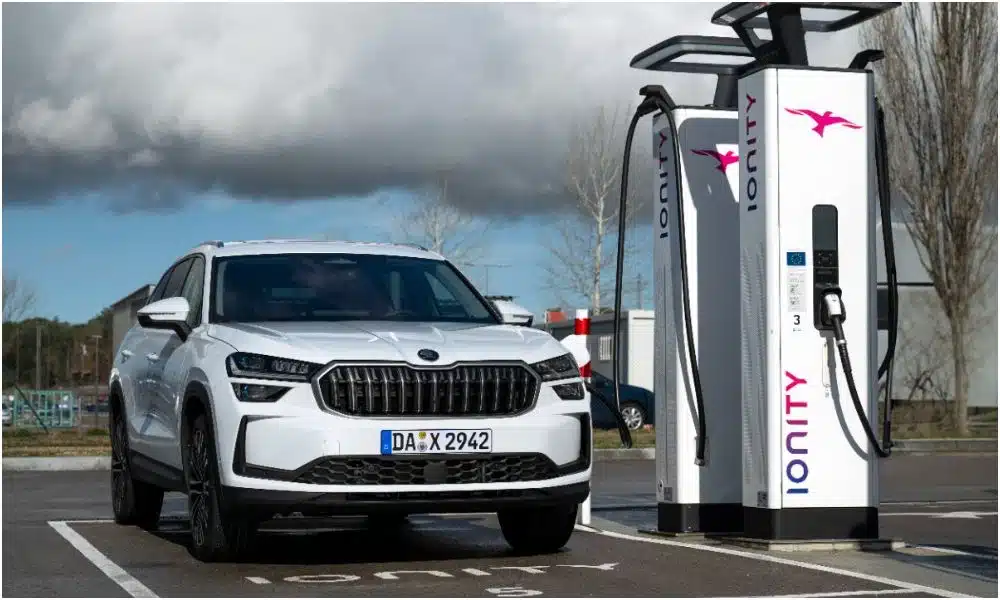
Skoda Auto has confirmed that it is actively evaluating a multi-powertrain strategy for the Indian market, which could include petrol, CNG, and electric vehicle options. The confirmation comes from senior leadership, highlighting the company’s intent to remain flexible as India’s automotive market continues to evolve with varied fuel preferences and regulatory requirements.
According to Skoda, India’s unique market conditions require a balanced approach rather than a single powertrain focus. While internal combustion engine models continue to account for the bulk of volumes, alternative fuel options such as CNG and electric mobility are gaining relevance in specific regions and use cases. The company is assessing how these different technologies can coexist within its future product roadmap.
Electric vehicles form a key part of Skoda’s long-term planning for India, but the brand has indicated that electrification will be approached carefully. Factors such as charging infrastructure readiness, cost sensitivity, and customer acceptance are being closely evaluated before final decisions are taken. Skoda has reiterated that any EV strategy for India must be commercially viable and suited to local conditions.
At the same time, Skoda is also studying the potential role of CNG as a transitional solution. CNG continues to see demand in urban and fleet-focused markets due to lower running costs and reduced emissions compared to conventional petrol engines. The company is evaluating whether CNG can complement its existing powertrain portfolio in India.
The multi-powertrain evaluation underlines Skoda’s intent to avoid a one-size-fits-all approach. Instead, the brand is working towards offering multiple drivetrain options that can address different customer needs, price points, and regional demands, while aligning with future emission norms.
With this strategy, Skoda Auto, under the guidance of senior executives including Martin Jahn, is aiming to build a sustainable and adaptable product roadmap for India. The company has not shared timelines or specific model details yet, and all options remain under evaluation.
