
India’s scooter growth story has quietly shifted away from its metros. Rural India accounted for 56% of the country’s overall two-wheeler market as of January 2026, even as urban sales also grew a healthy 22% year-on-year, and manufacturers across both petrol and electric scooters are now designing products, dealer networks and financing plans specifically around Tier-2 and Tier-3 buyers rather than scaling down metro strategies to fit smaller markets.
The Numbers Behind the Shift
Two-wheeler sales overall rose 20.82% year-on-year in January 2026 to 18,52,870 units, and the sales mix behind that number tells the real story: rural markets, not urban centres, anchored the bulk of that growth. Hero MotoCorp, the brand most associated with small-town and rural India through its Splendor and HF Deluxe range, retained overall leadership with nearly 4.92 lakh units that month, while Honda and TVS both posted strong gains of their own. This isn’t a one-off blip. Rising rural incomes, expanding two-wheeler penetration gaps by state, and government subsidy support have been identified as structural growth drivers for the segment through 2034, not just a temporary post-pandemic bounce.
Electric scooters are moving even faster into these markets than petrol models. Vahan portal data shows electric two-wheeler registrations reached roughly 1.73 lakh units by July 29, 2026, a 68% year-on-year jump, and industry commentary attached to that figure specifically noted that the growth is no longer confined to metros: “from top-tier metros to tier-2 and tier-3 towns, everyday riding habits are changing rapidly.”
Electric Scooters Are Leading the Charge Into Smaller Markets
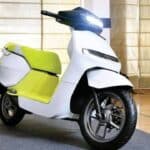
Ather Energy’s own sales data makes the shift concrete: 54% of the company’s electric scooter sales now come from Tier-2 and Tier-3 cities, split roughly 30% Tier-2 and 24% Tier-3. Measured by sales per lakh of population rather than absolute volume, the company’s strongest markets aren’t Bengaluru or Mumbai at all, they’re Calicut, Kochi, Kolhapur and Trivandrum, followed by Pune. Ather’s own leadership has framed this directly: with scooters priced from roughly ₹1.3 lakh, a company that sold only in metros would have reason to worry, but the fact that smaller cities are already driving more than half of sales suggests the addressable market was never just the metros to begin with.
🚀 Join Our Tech Community!
Get the latest news, updates, and tech trends delivered straight to your phone. Never miss an update!
TVS Motor is building its network around the same expectation, planning to expand to more than 500 exclusive EV service centres across Tier-2 and Tier-3 cities by the end of 2026, a direct acknowledgement that after-sales support, not just showroom presence, is what determines whether an EV scooter purchase in a smaller city actually sticks.
What’s Driving the Shift
A few forces are compounding at once. Rising rural and small-town incomes are expanding the pool of first-time two-wheeler buyers, a trend reinforced by continued rural income growth and employment-scheme data feeding into most industry demand models for the category. Road infrastructure improvements across smaller towns are making scooters, which favour paved, relatively smooth surfaces over the rugged capability of a motorcycle, a genuinely practical choice in places where that wasn’t true a decade ago.
On the electric side, two specific product developments matter more in Tier-2/3 markets than they do in metros. First, removable and swappable battery formats, now offered through networks like TVS iQube Swap and Bajaj Chetak Swappable, directly address the power-cut and home-charging-access concerns that are more common outside large cities with reliable grid infrastructure. Second, entry-level and BaaS (Battery-as-a-Service) pricing models, including sub-₹50,000 entry EVs launched in 2026, have brought upfront electric-scooter pricing much closer to what a smaller-town buyer is actually able to pay, rather than requiring the premium-market budget metro buyers are more likely to have.
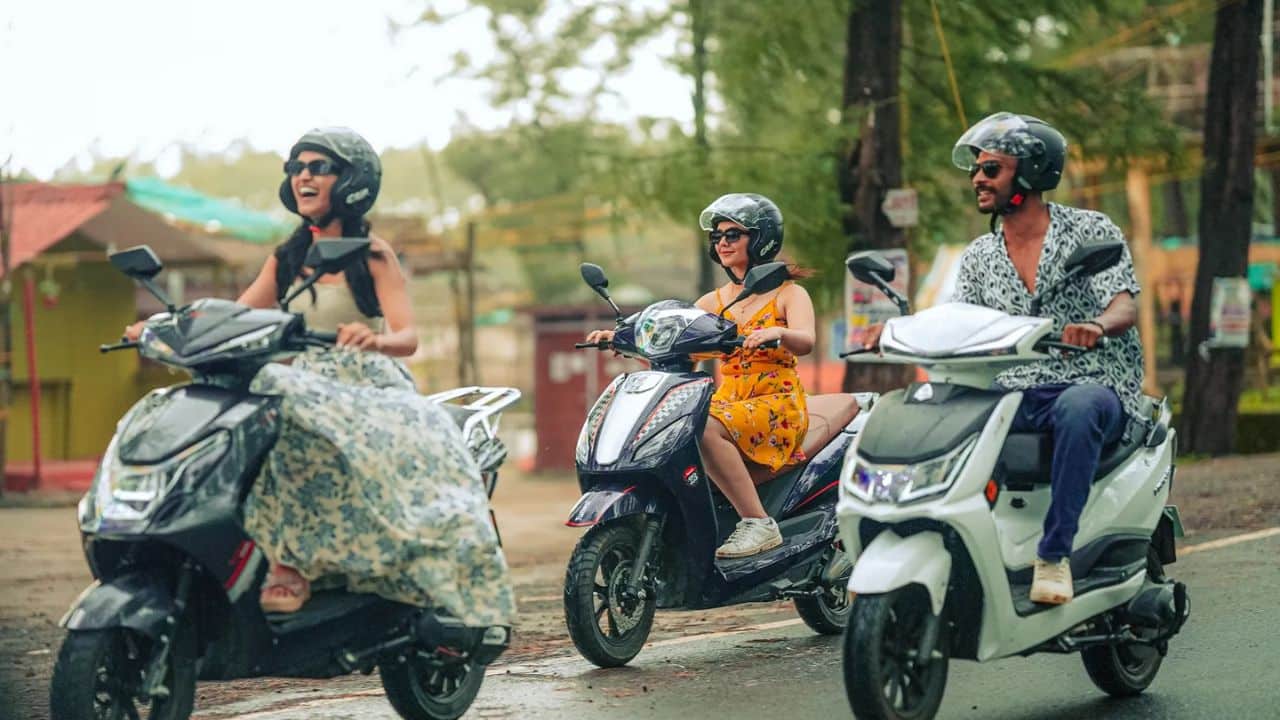
Social factors matter too. Electric scooters are increasingly being adopted by women, students and elderly riders in smaller towns specifically because they’re simpler to operate, cheaper to run, and don’t carry the same maintenance burden as a petrol engine, a shift that’s reportedly reshaping who rides, not just how many people ride, outside India’s biggest cities.
The Service Network Gap That Could Slow It Down
None of this growth is happening without friction. Industry analysis points specifically to a service network gap as the main constraint on faster EV adoption in Tier-3 and rural markets: qualified EV technicians, high-voltage-trained service staff, and authorised spare-parts distribution remain thin outside the top 50 cities. That’s a meaningful caveat to the growth numbers above. A buyer in a Tier-2 city with strong Ather or TVS service coverage has a very different ownership experience than a buyer in a Tier-3 town where the nearest authorised service centre might be a genuine trek away, and that gap is exactly what TVS’s 500-centre expansion plan and similar network pushes from other OEMs are trying to close before it becomes a real drag on demand.
Which Brands Are Positioned to Win
Petrol scooter demand in smaller towns still skews heavily toward established, low-maintenance names, Hero MotoCorp holds an estimated 50-60% share in rural and small-town India on the strength of its service network and brand trust built over decades, with Honda and TVS following. On the electric side, the brands moving fastest into Tier-2/3 are the ones treating service infrastructure as seriously as they treat the vehicle itself, Ather and TVS most visibly among them, while regional strength is also emerging geographically, with Southern India, anchored by Karnataka, Tamil Nadu and Kerala, already accounting for roughly 36% of the country’s electric two-wheeler retail volumes.
The overall picture is one where Tier-2 and Tier-3 India has stopped being a secondary market that scooter makers eventually expand into once metro demand matures. For a growing share of both petrol and electric brands, it’s now the market the growth strategy is actually built around.
Frequently Asked Questions
What share of India’s two-wheeler market comes from rural and Tier-2/3 areas?
Rural India accounted for 56% of the country’s overall two-wheeler market in January 2026, according to industry sales data, with urban sales also growing 22% year-on-year in the same period.
Why are electric scooters growing faster in smaller cities?
Swappable and removable battery formats address power-cut and charging-access concerns more common outside large cities, while entry-level and Battery-as-a-Service pricing has brought upfront EV costs closer to what Tier-2 and Tier-3 buyers can afford, alongside broader rural income growth expanding the overall two-wheeler buyer base.
What percentage of Ather Energy’s sales come from Tier-2 and Tier-3 cities?
54% of Ather Energy’s electric scooter sales come from Tier-2 and Tier-3 cities, split roughly 30% Tier-2 and 24% Tier-3, with cities like Calicut, Kochi, Kolhapur and Trivandrum ranking among its strongest markets by sales per capita.
What’s the biggest challenge to scooter growth in Tier-3 and rural markets?
A service network gap remains the main constraint, particularly for electric scooters: qualified EV technicians, high-voltage-trained service staff, and authorised spare-parts distribution remain thin outside the top 50 cities, which can affect the ownership experience even where sales demand is strong.