
By using this site, you agree to the Privacy Policy and Terms of Use.
Accept
Techy TrendsTechy TrendsTechy Trends
  • Home
  • News
  • Guide
  • Automobiles
  • Electric Vehicles
  • Upcoming Vehicles
  • Stories
Reading: Petrol vs Diesel Cars in 2026: Which Makes Sense After Recent Fuel Price Shifts
Share
Techy TrendsTechy Trends
Search
  • Home
  • News
  • Guide
  • Automobiles
  • Electric Vehicles
  • Upcoming Vehicles
  • Stories
Follow US
  • News
  • Guide
  • Automobiles
  • Electric Vehicles
  • Upcoming Vehicles
© 2026 Techy Trends. All Rights Reserved.
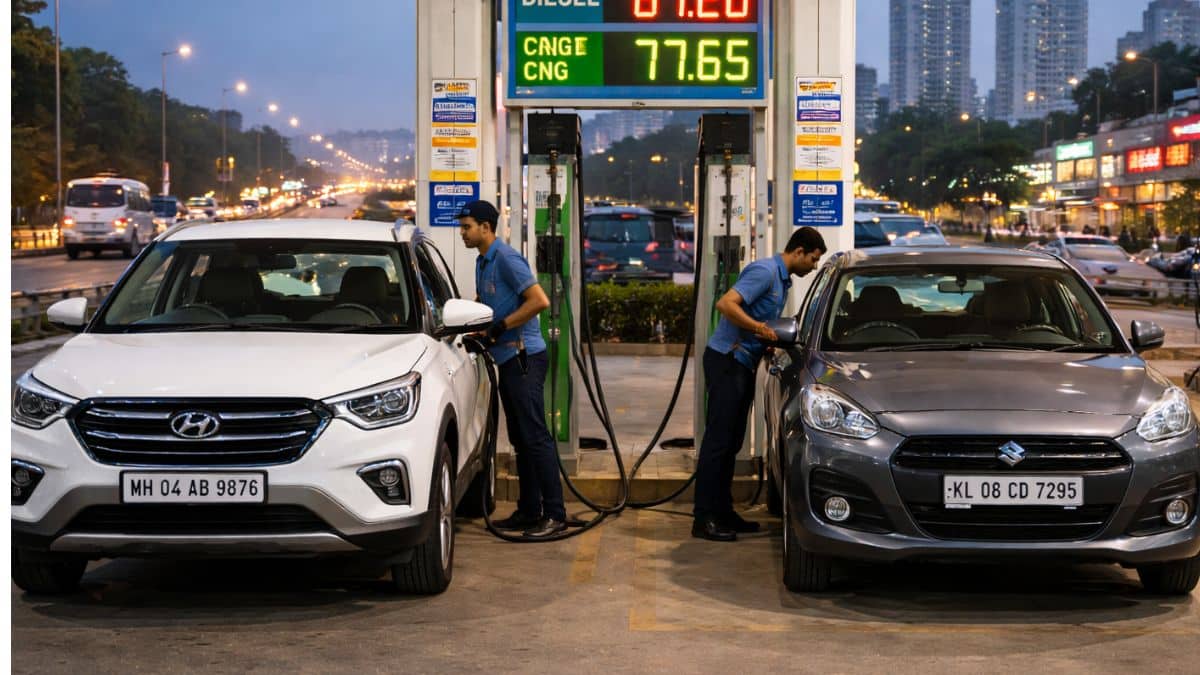
Petrol and diesel cars compared at an Indian fuel station in 2026 after fuel price changes
Automobiles

Petrol vs Diesel Cars in 2026: Which Makes Sense After Recent Fuel Price Shifts

Mohammed Abdul Majid
Last updated: February 11, 2026 3:31 pm
By Mohammed Abdul Majid 5 months ago
Share
4 Min Read
SHARE
petrol vs diesel cars in 2026

Fuel prices in India have always been volatile, but the shifts seen over the last year have forced buyers to rethink a once-simple decision. The petrol vs diesel debate in 2026 is no longer about mileage alone. Taxes, maintenance, resale behaviour, and regulatory pressure now play a much bigger role.

Contents
How Fuel Price Shifts Have Altered the EquationDiesel Still Wins — But Only for Specific UsersPetrol Cars Have Quietly Become the Safer DefaultMaintenance and BS6 Reality CheckResale Value: Diesel’s Edge Is ShrinkingSo, Which One Makes Sense in 2026?

For many buyers, the “obvious” choice has quietly changed.

How Fuel Price Shifts Have Altered the Equation

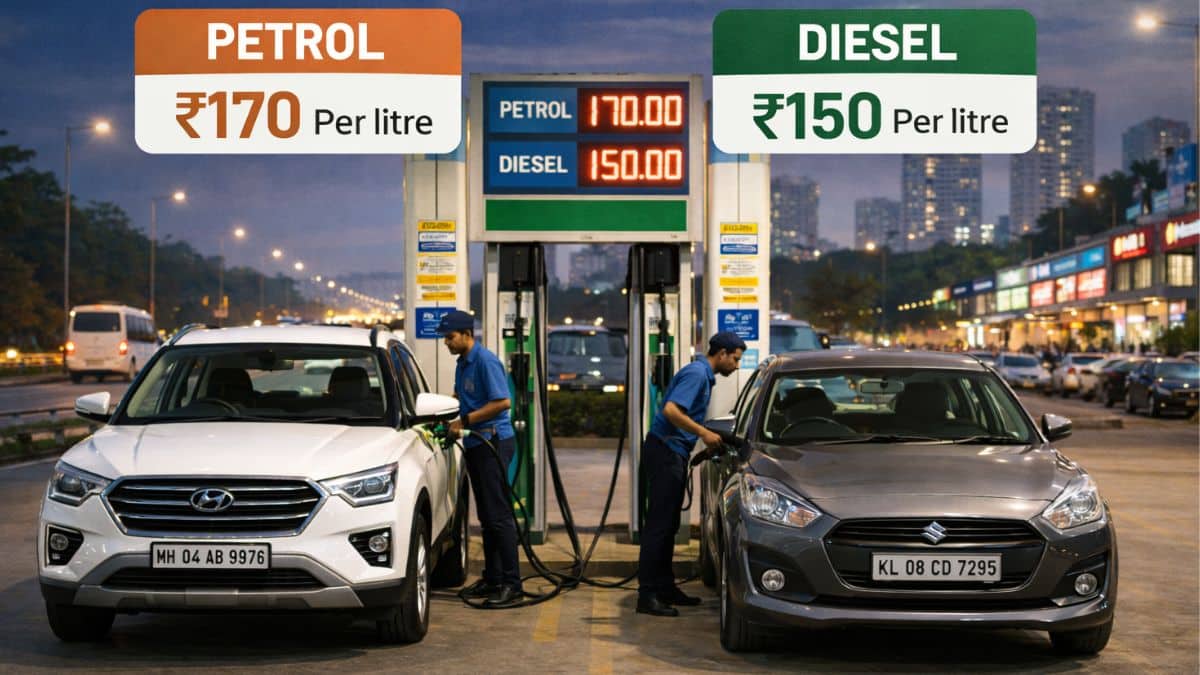
Traditionally, diesel made sense because of lower per-litre prices and higher fuel efficiency. In 2026, that advantage has narrowed sharply. In several states, the petrol-diesel price gap is small enough that annual savings are no longer automatic.

This means fuel cost recovery now depends heavily on:

🚀 Join Our Tech Community!

Get the latest news, updates, and tech trends delivered straight to your phone. Never miss an update!

📱 Join Telegram 💬 Join WhatsApp Channel
  • Monthly running
  • Highway vs city usage
  • Ownership duration

Buyers driving less than 12,000 km a year often struggle to justify diesel purely on fuel economics.

Diesel Still Wins — But Only for Specific Users

Diesel engines continue to deliver better efficiency on long highway runs and heavy usage. For users clocking 18,000 km or more annually, diesel can still offer meaningful savings over time.

However, those savings are increasingly offset by higher service bills, emission hardware complexity, and long-term repair risks—factors often ignored at purchase but felt strongly after year three.

This mirrors patterns seen in ownership cost surprises, where upfront logic doesn’t always match long-term expense.

Petrol Cars Have Quietly Become the Safer Default

Petrol cars in 2026 benefit from:

  • Lower initial purchase price
  • Simpler BS6 hardware
  • Cheaper routine maintenance
  • Fewer city-use restrictions

For urban users, especially those driving short daily distances, petrol engines now offer more predictable ownership. The total cost gap with diesel has narrowed enough that peace of mind matters more than marginal fuel savings.

Maintenance and BS6 Reality Check

Modern diesel cars rely heavily on DPF systems, which struggle in stop-go city traffic. Frequent regeneration cycles and warning lights are common complaints.

Petrol cars avoid this issue entirely, making them more forgiving for mixed or low-speed usage. Over a 5–7 year ownership cycle, this difference alone can tilt the decision.

The long-term stress on advanced components is not unlike concerns raised around EV battery wear, where climate and usage patterns accelerate ageing beyond brochure expectations.

Resale Value: Diesel’s Edge Is Shrinking

Diesel resale has traditionally been strong, but 2026 shows signs of softening demand:

  • More city buyers prefer petrol or hybrids
  • Regulatory uncertainty affects diesel confidence
  • Used-car buyers factor in maintenance risk

Petrol cars, while still depreciating faster, now attract a broader second-hand audience, especially in urban and semi-urban markets.

So, Which One Makes Sense in 2026?

Petrol makes more sense if:

  • Annual running is below 15,000 km
  • Usage is city-heavy
  • Ownership is planned for 5–7 years
  • You want lower maintenance anxiety

Diesel still works if:

  • Highway usage is frequent
  • Annual running is high
  • Ownership duration exceeds 6 years

The old one-line answer no longer applies. In 2026, the right choice depends more on lifestyle than fuel price alone.

Share This Article
Facebook Twitter Whatsapp Whatsapp Copy Link
Share
By Mohammed Abdul Majid
Follow:
A versatile automotive strategist and Digital Marketer at Al-Futtaim, he combines deep industry expertise with modern digital growth strategies to drive innovation, market expansion, and sustainable mobility in the automotive niche.
Previous Article Electric car charging at a public EV station in a tier-2 Indian city without home charging access Real Charging Costs of EVs in Tier-2 Indian Cities Without Home Chargers
Next Article Hybrid car driving in India as delayed mass-market EV launches push buyers toward hybrids Why Delayed Mass-Market EV Launches Are Pushing Buyers Back to Hybrids
Leave a Comment

Leave a Reply Cancel reply

Your email address will not be published. Required fields are marked *

Stay Connected

235.3kFollowersLike
69.1kFollowersFollow
11.6kFollowersPin
56.4kFollowersFollow
136kSubscribersSubscribe
4.4kFollowersFollow
- Advertisement -
Ad imageAd image

Latest News

2026 Maruti Suzuki Brezza facelift SUV parked, front three-quarter view showing updated grille
Maruti Suzuki Brezza 2026: Complete Buyer & Ownership Guide
Automobiles 18 hours ago
Customer reviewing motorcycle loan paperwork at an Indian dealership finance desk
Motorcycle Loan and EMI Guide: How Two-Wheeler Financing Works
Guide 19 hours ago
Tata Sierra EV driving on uneven terrain showcasing drivetrain capability
RWD vs QWD: Which Tata Sierra EV Drivetrain to Pick?
Electric Vehicles 22 hours ago
Toyota Hilux and Isuzu D-Max V-Cross lifestyle pickup trucks shown side by side for comparison.
Toyota Hilux 2026 vs Isuzu D-Max: What to Expect
Upcoming Vehicles 23 hours ago
//

India’s leading digital platform for the business, tech, and trends driving the future of mobility.

Quick Link

  • About us
  • Contact US
  • Disclaimer
  • Privacy Policy
  • Terms and Conditions

Top Categories

  • News
  • Guide
  • Automobiles
  • Electric Vehicles
  • Upcoming Vehicles

Sign Up for Our Newsletter

Subscribe to our newsletter to get our newest articles instantly!


Techy TrendsTechy Trends
Follow US
© 2026 Techy Trends . All Rights Reserved.
Welcome Back!

Sign in to your account

Username or Email Address
Password

Lost your password?