

Kia India closed out July 2026 with its strongest July since entering the Indian market in 2019. The company reported wholesale dispatches of 28,200 units, up 27.4% year-on-year from 22,135 units in July 2025, its highest-ever July sales figure.
The month also extended a solid run through the year: dispatches rose 14.86% month-on-month from June 2026’s 24,552 units, meaning Kia’s growth in July wasn’t just a favorable year-on-year comparison against a soft base, it was genuine sequential momentum. Kia India Senior Vice President of Sales & Marketing, Atul Sood, credited the performance to sustained customer trust and the strength of the brand’s product portfolio, building on what was already a record first half of the year.
What Drove the Month
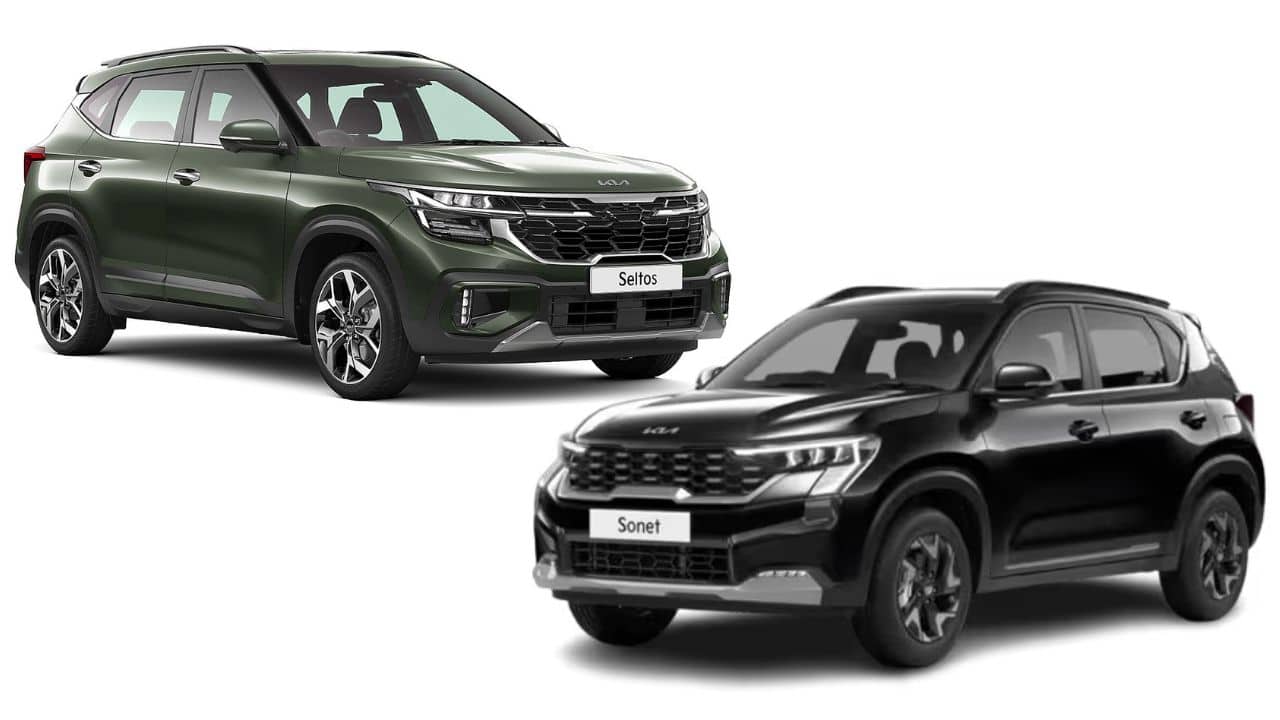
According to Kia, the growth came from strong demand across its SUV and MPV lineup. The Seltos and Sonet remained the company’s primary volume contributors, a pattern that’s held steady through most of 2026, while the Carens Clavis and Carens Clavis EV maintained healthy demand in their respective segments. Kia also pointed to encouraging early bookings for its updated MY26 Syros, a subcompact SUV positioned between the Sonet and Seltos, though exact model-wise unit splits for July weren’t disclosed in the company’s statement.
It’s worth noting Kia has consistently expanded its lineup over the past 12 months, Carens Clavis, Carens Clavis EV, and the updated Syros among them, and July’s numbers suggest that lineup breadth, rather than any single new launch, is what’s carrying the growth. Two established models doing most of the volume work, while newer additions contribute at the margins, is a fairly stable pattern for Kia India at this point rather than a one-month story.
🚀 Join Our Tech Community!
Get the latest news, updates, and tech trends delivered straight to your phone. Never miss an update!
Year-to-Date Picture
Kia’s cumulative sales for the January–July 2026 period stand at 1,91,949 units, up 16.85% over 1,64,274 units in the same period last year. That’s edging close to the 2 lakh mark for the first seven months of the year, a threshold the company will very likely cross in August given the current run rate. For context, the January–June cumulative figure stood at 1,63,749 units, up 15.2% year-on-year, so July’s contribution nudged the YTD growth rate slightly higher rather than dragging on it, a modestly encouraging sign for the second half of the fiscal year.
| Period | 2026 Units | 2025 Units | YoY Change |
|---|---|---|---|
| July (month) | 28,200 | 22,135 | +27.4% |
| June (month) | 24,552 | 20,632 (implied) | +19% |
| Jan–Jun (H1) | 1,63,749 | 1,42,168 (implied) | +15.2% |
| Jan–Jul (YTD) | 1,91,949 | 1,64,274 | +16.85% |
Wholesale vs Retail: What This Figure Represents
As with every OEM’s monthly disclosure, the 28,200-unit figure is wholesale dispatch, what Kia shipped from its Anantapur plant to dealers, not confirmed retail registrations. This distinction is worth flagging specifically for Kia this month: industry commentary around July 2026 has noted that several OEMs are currently balancing elevated dealer inventory levels against the need to sustain production output, and any build-up at the dealer level can eventually translate into higher sales incentives that pressure margins. FADA’s July retail registration data, once published, is the number to check Kia’s wholesale figure against to see how much of this growth reflects genuine consumer demand pull-through.
Context Against the Industry
Kia’s 27.4% YoY growth places it in the same broad camp as Hyundai (23.3% domestic YoY), Maruti Suzuki (42.4% domestic YoY), and Mahindra (20% YoY) for the same month, reinforcing the read from those reports that July 2026 was a genuinely strong month across the Indian passenger vehicle industry rather than a company-specific outlier. Kia’s growth rate sits toward the lower end of that group, consistent with its position as a smaller-volume, more mature player in the market compared to the newer product cycles driving some of the sharper jumps elsewhere.
What This Means for Dealers and Buyers
A third consecutive month of dispatch growth, on top of a record first half, points to continued healthy vehicle availability across Kia’s showrooms, good news for buyers eyeing the Seltos or Sonet without long waiting periods. For dealers, the operative question through August is whether retail conversion is keeping pace with wholesale dispatch, given the broader industry concern around dealer inventory levels noted above. If it isn’t, expect more visible dealer-level incentives on the Seltos and Sonet by early autumn.
Frequently Asked Questions
How many vehicles did Kia India sell in July 2026?
Kia India dispatched 28,200 units in July 2026, up 27.4% year-on-year from 22,135 units in July 2025, its best-ever July performance since entering the Indian market.
What are Kia’s best-selling models in India as of July 2026?
The Seltos and Sonet remain Kia India’s key volume contributors, with the Carens Clavis, Carens Clavis EV, and the updated MY26 Syros maintaining healthy demand in their segments.
Did Kia India’s sales grow month-on-month in July 2026?
Yes. Dispatches rose 14.86% from June 2026’s 24,552 units to July’s 28,200 units.
What is Kia India’s cumulative sales figure for 2026 so far?
Kia India sold 1,91,949 units between January and July 2026, up 16.85% year-on-year from 1,64,274 units in the same period of 2025.