

For nearly two decades, diesel engines dominated Indian passenger car buying. Better mileage, strong torque, and favourable fuel pricing made diesel the default choice for long-distance users and SUV buyers. By 2026, that dominance has clearly weakened. Indian car buyers are steadily moving away from diesel and increasingly choosing petrol and CNG alternatives instead.
This transition is not emotional or sudden. It is a structural shift driven by regulation, ownership economics, changing urban usage patterns, and evolving expectations from personal vehicles.
Diesel’s Decline Is Largely Cost and Complexity Driven
Diesel has not disappeared from the Indian market, but its value proposition has narrowed sharply for private buyers.
BS6 Phase-2 emission norms have added significant complexity to modern diesel vehicles. Advanced exhaust after-treatment systems now require consistent highway running to function efficiently. For city-focused users, this has introduced concerns such as incomplete regeneration, warning alerts, and higher service sensitivity.
🚀 Join Our Tech Community!
Get the latest news, updates, and tech trends delivered straight to your phone. Never miss an update!
The price gap between petrol and diesel variants has also widened across segments. In many cases, the additional upfront cost of a diesel car is no longer offset by fuel savings for buyers with moderate annual usage. When ownership math becomes uncertain, buyers naturally reassess fuel choice.
As a result, diesel demand in 2026 is increasingly limited to:
- High-mileage highway users
- Large SUVs and utility vehicles
- Commercial and fleet-oriented applications
For everyday urban households, diesel is no longer the obvious choice it once was.
Petrol Cars Are Reclaiming Their Position as the Default Option
Petrol engines have quietly regained mass-market acceptance across India.
Modern petrol cars offer better refinement, lower noise levels, and smoother performance in stop-and-go traffic. Advances in engine efficiency and automatic transmissions have also reduced the real-world mileage gap that once favoured diesel so strongly.
Equally important is predictability. Petrol vehicles generally involve lower purchase prices, simpler mechanical systems, and fewer emission-related ownership concerns. This combination has made petrol especially attractive for buyers who prioritise hassle-free ownership over absolute fuel efficiency.
In 2026, petrol is increasingly preferred by:
- First-time car buyers
- Urban and semi-urban families
- Low to moderate usage owners
Petrol is no longer perceived as inefficient; it is now seen as the most balanced and stress-free choice.
CNG Is No Longer a Niche or Compromise Fuel
One of the most notable trends in 2026 is the growing acceptance of CNG vehicles among private buyers.
Earlier associated mainly with taxis and cost-focused users, CNG has evolved into a practical alternative. Factory-fitted systems, better safety integration, and steadily expanding refuelling infrastructure have improved buyer confidence.
CNG now appeals strongly to:
- Daily commuters with fixed travel patterns
- Buyers in Tier-2 and Tier-3 cities
- Households focused on monthly fuel expenses
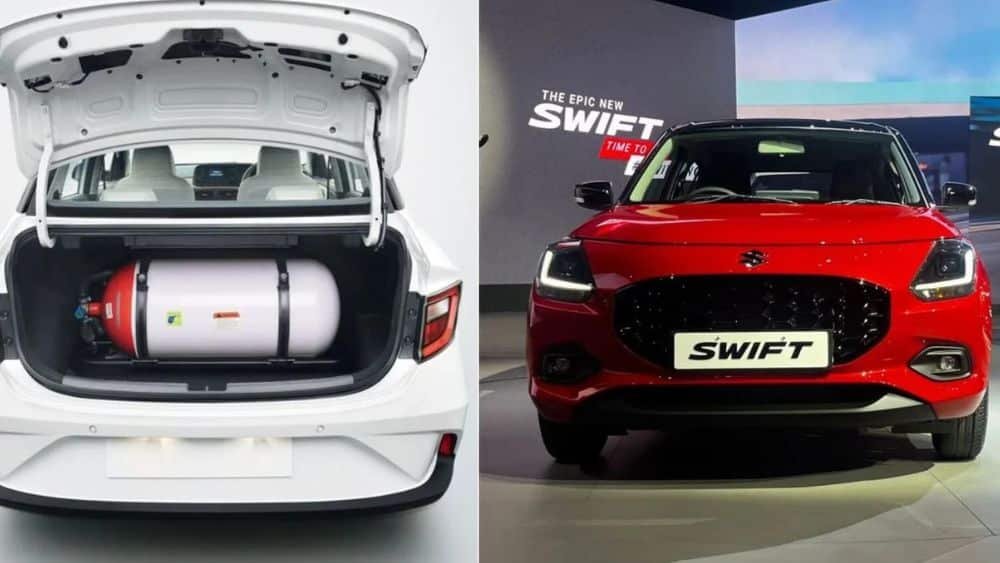
While compromises such as reduced boot space and lower power output remain, many buyers are willing to accept them in exchange for substantially lower running costs and fuel price stability.
Changing Driving Patterns Are Influencing Fuel Decisions

Indian car usage has changed more than fuel technology itself.
In 2026, most private cars spend the majority of their time in traffic-dense urban environments. Short trips, frequent starts, school commutes, and office travel dominate real-world usage. Petrol and CNG engines handle these conditions more comfortably than modern diesel setups.
Diesel engines, once ideal for long highway runs, are increasingly mismatched for predominantly city-based lifestyles. Buyers are now choosing fuel types based on how they actually drive, not on outdated assumptions.
Diesel’s Resale Advantage Is Narrowing
Diesel cars traditionally enjoyed stronger resale value in India. That advantage is no longer guaranteed.
Used-car buyers are becoming more cautious about diesel ownership due to maintenance complexity, emission system concerns, and uncertainty around long-term regulations. As petrol and CNG options gain acceptance in the pre-owned market, resale value alone is no longer enough to justify diesel for many buyers.
What This Shift Says About the Indian Car Market
The movement from diesel toward petrol and CNG reflects a more mature buyer mindset. Indian consumers are prioritising total ownership experience over single metrics like mileage or torque figures.
In 2026, fuel choice is less about legacy perception and more about real-world suitability. Petrol offers simplicity, CNG delivers cost efficiency, and diesel now serves a narrower, more specific audience. This realignment marks a significant evolution in how Indian car buyers think, choose, and own vehicles.