
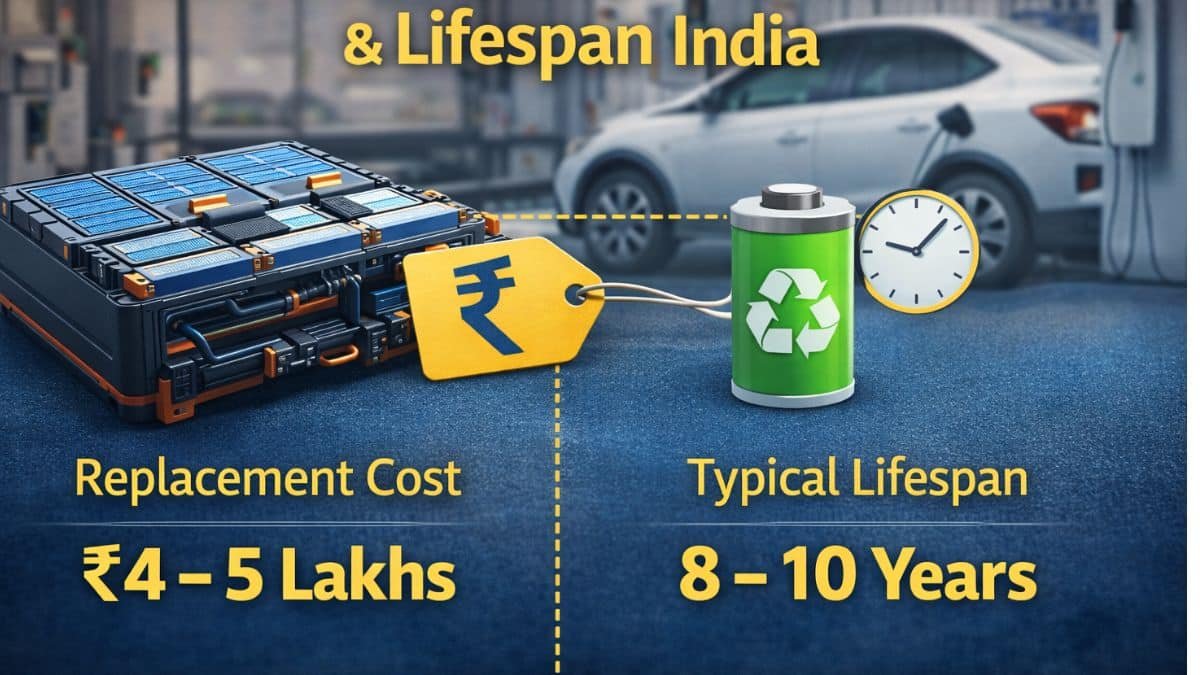

Battery replacement is the single biggest fear stopping many Indian buyers from switching to electric vehicles. Stories about expensive battery packs, limited lifespan, and uncertain resale value often overshadow the everyday benefits of EV ownership.
In 2026, EVs are more common on Indian roads than ever before—but battery anxiety hasn’t disappeared. The reality, however, is far more nuanced than the fear suggests. Battery replacement is not as frequent, sudden, or unpredictable as many buyers assume.
Here’s what Indian EV owners should realistically expect.
Why Battery Replacement Fears Exist
The concern isn’t irrational. Batteries are expensive, and unlike engines, they are not familiar to most car buyers. Early-generation EVs also lacked long-term data, which made buyers cautious.
🚀 Join Our Tech Community!
Get the latest news, updates, and tech trends delivered straight to your phone. Never miss an update!
But EV technology has matured quickly. Most concerns today are driven by:
- Lack of clear information
- Confusion between battery degradation and failure
- Assumptions based on early EV models
Understanding how EV batteries actually age helps put these fears in perspective.
How Long EV Batteries Really Last in India
Modern EV batteries are designed for long-term use.
Under normal Indian driving conditions:
- Most EV batteries are engineered to last several years
- Capacity loss is gradual, not sudden
- Complete battery failure is rare
What owners usually experience is a slow reduction in driving range over time, not an immediate need for replacement. For daily city use, this reduced range often remains sufficient even after years of ownership.
Battery Warranties: What They Actually Cover
Battery warranties play a crucial role in reducing risk.
Most EVs sold in India today come with:
- Long-term battery warranties
- Coverage against excessive degradation
- Protection against manufacturing defects
This means the highest-risk period of ownership is already covered. For most buyers, the battery will remain under warranty during the years when depreciation is steepest.
Replacement Cost vs Perceived Cost
The fear around battery replacement cost is often exaggerated.
Yes, replacing an EV battery is expensive compared to traditional engine components. But what’s often missed is:
- Battery prices are gradually declining
- Full replacement is rarely needed
- Partial module replacement is sometimes possible
For many owners, the battery will outlast their ownership period, especially if the vehicle is used primarily for daily commuting.
Usage Patterns Matter More Than Age
Battery health depends more on how the EV is used than how old it is.
Factors that help battery longevity include:
- Moderate daily usage
- Regular charging habits
- Avoiding extreme charge levels frequently
Indian city driving, with shorter daily distances, often suits EV batteries well. Vehicles used mainly for urban commutes tend to retain usable range for longer than expected.
Heat, Climate, and Indian Conditions
India’s climate does raise valid concerns.
High temperatures can affect battery performance, but modern EVs are designed with:
- Thermal management systems
- Protective charging limits
- Software-based safety controls
While extreme heat can influence degradation rates, it rarely leads to sudden failure. For most owners, climate impact shows up slowly and predictably.
Resale Value and Battery Perception
Battery health plays a growing role in EV resale value.
Used-EV buyers are becoming more informed, often asking about:
- Battery health reports
- Remaining warranty
- Real-world range
This transparency helps stabilise resale values and reduces panic selling due to battery fears. Over time, battery condition reporting is likely to become as normal as service history checks.
When Does Battery Replacement Actually Make Sense?
Battery replacement is usually considered only when:
- Range becomes impractical for daily use
- Warranty coverage has ended
- Repair costs outweigh resale value
For most Indian EV owners, this point arrives much later than expected—often well beyond the typical ownership cycle.
The Reality Buyers Should Focus On
Battery replacement anxiety is understandable, but for most buyers, it’s not an immediate or even medium-term concern.
The real decision should be based on:
- Daily driving needs
- Access to charging
- Long-term running cost savings
For urban Indian users, EV batteries are proving to be far more durable and predictable than early fears suggested.