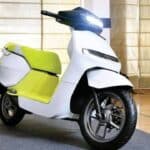
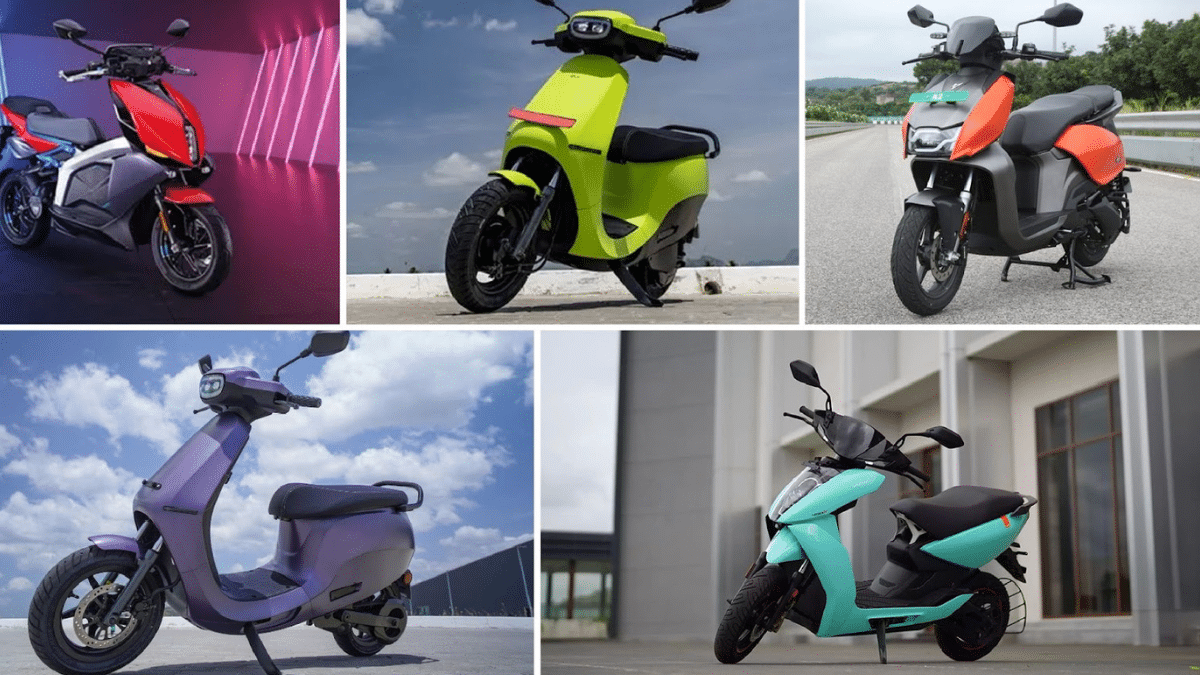

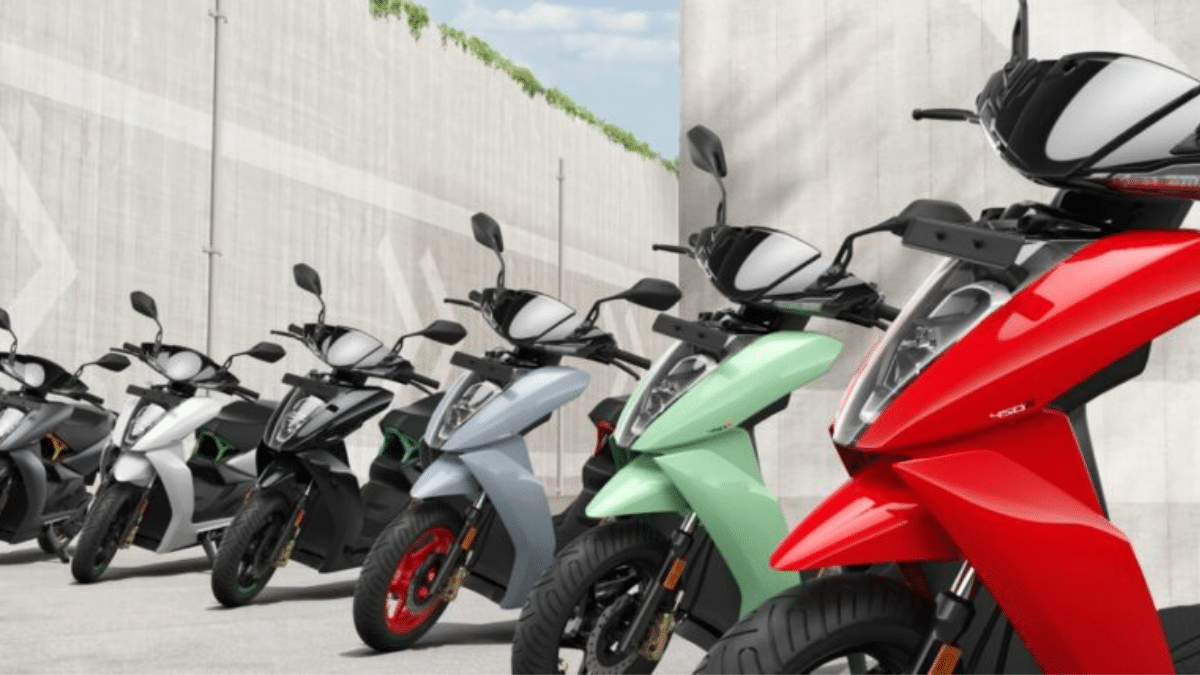
Electric scooters are rapidly transforming urban mobility in India. What was once seen as a niche category is now becoming mainstream, driven by rising fuel costs, increasing environmental awareness, and government support for electric vehicles. For many first-time buyers, electric scooters offer a practical and cost-effective alternative to traditional petrol scooters. However, understanding how they work and whether they suit your needs is essential before making a decision.
Understanding Electric Scooters
An electric scooter is powered by a battery and an electric motor instead of an internal combustion engine. Unlike petrol scooters that rely on fuel and engine components, electric scooters operate using stored electrical energy, which makes them quieter, smoother, and simpler in terms of mechanical design.
The core components include a battery pack, motor, controller, and charging system. The battery acts as the fuel tank, storing energy, while the motor converts that energy into motion. This simplicity reduces mechanical complexity and results in lower maintenance requirements.
Charging and Range Explained
Charging is one of the most important aspects of owning an electric scooter. Most models can be charged at home using a standard power socket, making them extremely convenient for daily users. Charging time typically ranges between a few hours depending on battery size and technology.
🚀 Join Our Tech Community!
Get the latest news, updates, and tech trends delivered straight to your phone. Never miss an update!
Range, which refers to how far the scooter can travel on a single charge, varies based on the model and riding conditions. Factors such as speed, rider weight, and traffic conditions influence real-world performance. For most urban commuters, the available range is sufficient for daily travel needs.
Cost and Ownership Experience
Electric scooters usually have a higher upfront cost compared to petrol scooters, but the running cost is significantly lower. Electricity is much cheaper than petrol, and since electric scooters have fewer moving parts, maintenance expenses are minimal. Over time, this results in noticeable savings for regular users.
Ownership also feels different. The riding experience is smoother due to instant torque, and the absence of engine noise creates a more relaxed commute. These aspects make electric scooters particularly appealing in crowded city environments.
Benefits for Indian Riders
One of the biggest advantages of electric scooters is their suitability for Indian cities. They are easy to handle in traffic, cost-effective for daily commuting, and environmentally friendly. As air pollution continues to be a major concern, electric mobility offers a cleaner alternative without compromising practicality.
Another benefit is convenience. Being able to charge your vehicle at home eliminates the need for frequent fuel station visits. For short and medium-distance commuting, this is a major advantage.
Challenges You Should Know
Despite their advantages, electric scooters still face certain limitations. Charging infrastructure, although improving, is not yet widespread in all regions. This can make long-distance travel less convenient.
Battery life and replacement cost are also factors to consider. While modern batteries are designed to last several years, eventual replacement can be expensive. Additionally, some users may experience range anxiety, especially when traveling beyond city limits.
Future of Electric Scooters in India
The future of electric scooters in India looks promising. With continuous advancements in battery technology, improvements in charging infrastructure, and increasing government support, adoption is expected to grow rapidly. Manufacturers are also introducing more models with better performance, longer range, and advanced features.