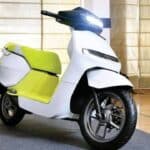

Delhi’s ambitious plan to transition entirely to electric two-wheelers by 2028 marks a major step toward cleaner and more sustainable mobility. The proposed policy aims to phase out new registrations of petrol-powered two-wheelers, allowing only electric models in the future.
While the vision is clear and environmentally focused, the path to achieving it comes with several practical challenges that could impact both consumers and the automotive industry.
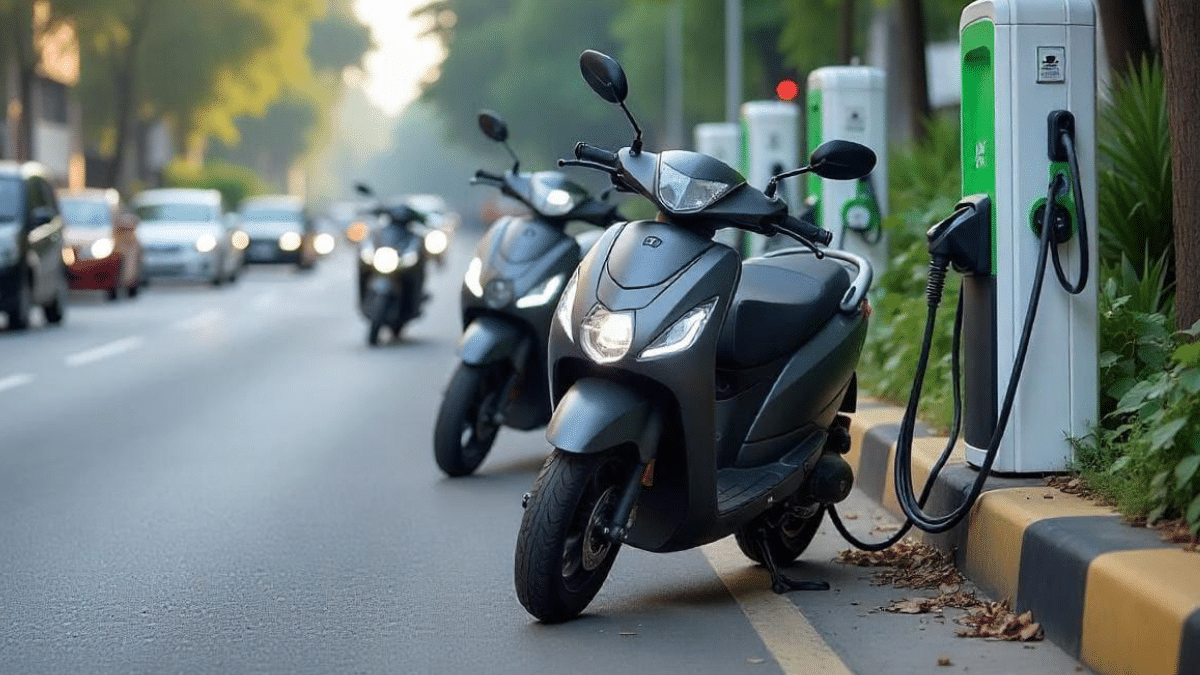
One of the biggest hurdles is infrastructure readiness. Although charging networks are expanding, the current availability of charging stations is still limited. For a city with a massive two-wheeler population, ensuring convenient and accessible charging remains a critical requirement.
Affordability is another major concern. Electric two-wheelers, even with incentives, are often seen as more expensive than traditional petrol models. Since two-wheelers are widely used by middle- and lower-income groups, this price difference could slow down adoption.
🚀 Join Our Tech Community!
Get the latest news, updates, and tech trends delivered straight to your phone. Never miss an update!
Industry readiness also plays a crucial role. Manufacturers will need to significantly scale up production of electric two-wheelers to meet the expected demand. This includes ensuring a stable supply of batteries, components, and advanced technologies while keeping costs under control.
The transition timeline itself presents challenges. Moving to a fully electric two-wheeler ecosystem within a fixed deadline may create pressure on both buyers and manufacturers. A gradual and well-supported transition could be more effective than a strict mandate.
There are also concerns for sectors that rely heavily on two-wheelers, such as delivery services and gig workers. Charging time, limited range, and availability of suitable models could impact their daily operations and productivity during the transition phase.
Policy balance will be another key factor. While incentives and subsidies can encourage adoption, strict restrictions may lead to resistance among users who are not yet ready to switch to electric mobility.
Despite these challenges, the long-term objective remains strong. Electrifying two-wheelers can significantly reduce emissions and improve air quality in Delhi, where pollution continues to be a major concern.
Looking ahead, the success of this mandate will depend on how effectively these challenges are addressed. Expanding charging infrastructure, improving affordability, and supporting industry growth will be essential for a smooth transition.
In summary, Delhi’s 2028 electric two-wheeler mandate is a bold step toward sustainable mobility. However, its success will rely on overcoming key challenges related to infrastructure, cost, and ecosystem readiness, ensuring that the transition is practical and inclusive for all users.