
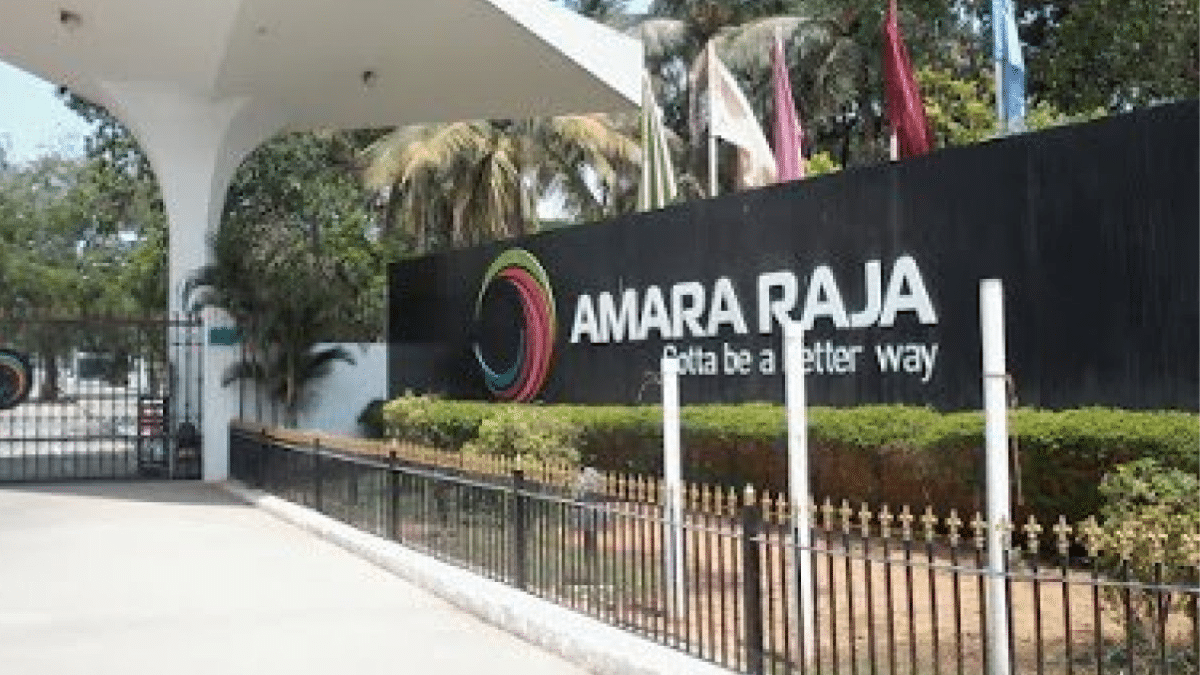

India’s electric vehicle ecosystem is entering a crucial phase as domestic battery manufacturing gains momentum. Amara Raja Energy & Mobility has set a clear target to begin bulk production of lithium-ion EV cells by 2027. This move reflects India’s larger ambition to reduce dependence on imported batteries and build a strong local supply chain.
The announcement highlights a significant shift in India’s auto industry. For years, EV battery cells have largely been imported, making local manufacturing a critical missing piece in the ecosystem. With companies like Amara Raja stepping in, India is gradually moving toward building its own lithium-ion ecosystem, although achieving global scale and efficiency will take time.
Amara Raja is expected to follow a phased rollout plan. It will begin with pilot production of EV cells, followed by supplying sample batteries to manufacturers for testing. Gradually, the company aims to scale operations and achieve bulk production by 2027. The first large-scale facility is expected to operate at gigawatt-hour capacity, aligning with growing EV demand. Initially, the focus is likely to remain on electric two-wheelers and small vehicles, which dominate India’s EV market.
One key insight from this development is that locally produced EV batteries may not become cheaper right away. Early-stage production often faces higher costs due to limited scale, reliance on imported components, and an evolving supply chain. Experts believe that prices will become competitive only after large-scale manufacturing stabilizes and efficiency improves.
🚀 Join Our Tech Community!
Get the latest news, updates, and tech trends delivered straight to your phone. Never miss an update!
Amara Raja is backing its EV ambitions with significant investment. The company is committing large capital toward lithium-ion technology, setting up advanced manufacturing facilities, and expanding into both EV batteries and energy storage solutions. These investments reflect a long-term strategy to play a major role in India’s clean energy transition.
Manufacturing EV cells is only one part of the challenge. India also needs to develop a comprehensive ecosystem that includes raw material sourcing, component manufacturing, battery chemistry innovation, and recycling infrastructure. Building such an ecosystem will require sustained effort, collaboration, and policy support.
This development has broader implications. Local battery production can reduce import dependency and strengthen supply chain security. It can also support faster EV adoption by ensuring stable battery availability. Additionally, it opens up opportunities for job creation and industrial growth, reinforcing India’s manufacturing ambitions.
Despite strong progress, several hurdles remain. High initial production costs, limited access to raw materials, and technology gaps compared to global leaders could slow momentum. Infrastructure and scaling challenges also need to be addressed to ensure long-term success.
The 2027 target places Amara Raja among the early movers in India’s EV battery manufacturing space. As more players enter the sector, competition is expected to accelerate innovation and improve efficiency. Over time, as production scales up and supply chains mature, battery costs are likely to decline, making electric vehicles more accessible.
Amara Raja’s plan to begin bulk EV cell production by 2027 marks a significant milestone in India’s electric mobility journey. While short-term challenges remain, the long-term outlook is promising. A strong domestic battery ecosystem has the potential to transform India’s EV landscape and support a more sustainable future.