


Cars and bikes are heading into the festive season on opposite trajectories. Passenger vehicle dealers were sitting on 33-35 days of inventory at the end of July, well above FADA’s recommended 21-day benchmark, with OEMs dispatching noticeably more stock than they retailed during the month, most visibly at Maruti Suzuki. Two-wheeler dealers, by contrast, just closed their best July on record, and at least one major brand raised prices rather than cut them. This piece lays out, brand by brand, where the inventory and demand signals point to likely discounting, and where they don’t, while keeping a clear line between what’s already confirmed on the ground and what’s analysis of where things are headed.
Why the Picture Differs for Cars and Bikes This Cycle
The starting point for any discount forecast is inventory, not sentiment. A brand sitting on more unsold stock than its recent retail pace can clear has a direct financial reason to discount; a brand selling through its stock quickly does not, regardless of how upbeat the festive mood is.
On the car side, FADA’s July 2026 release recorded PV retail of 4,16,555 units against dealer inventory that rose to 33-35 days, with roughly a quarter of PV dealers already carrying more than 25% aged stock. Techy Trends’s Wholesale vs Retail Analysis for July found a combined wholesale-retail gap of close to 52,000 units across just the four largest carmakers, with Maruti Suzuki alone accounting for around 38,250 of that gap. That is the kind of number that typically shows up as cash discounts and scrappage bonuses within a few weeks, not months.
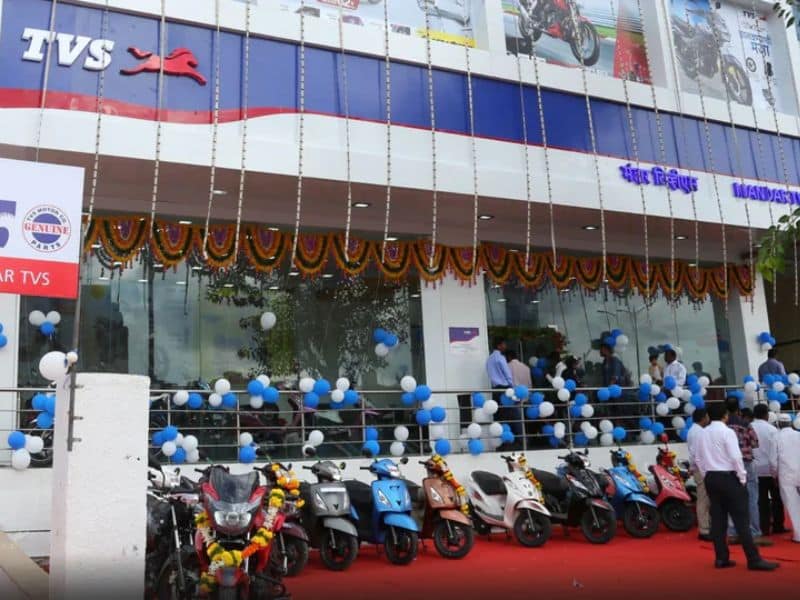
On the two-wheeler side, the same FADA release shows retail of 18,18,289 units in July, up 28.25% year-on-year and the first time 2W retail has crossed 18 lakh units in the month of July, with EV penetration at a record 11.24%. FADA does not report 2W inventory days in the same release, but a market strong enough to post its best-ever July, alongside TVS Motor Company raising prices on most of its two-wheeler lineup by Rs 550 to Rs 13,580 from 1st August 2026, points away from broad discounting pressure in this category right now.
🚀 Join Our Tech Community!
Get the latest news, updates, and tech trends delivered straight to your phone. Never miss an update!
Cars Likely to See Deeper Discounts
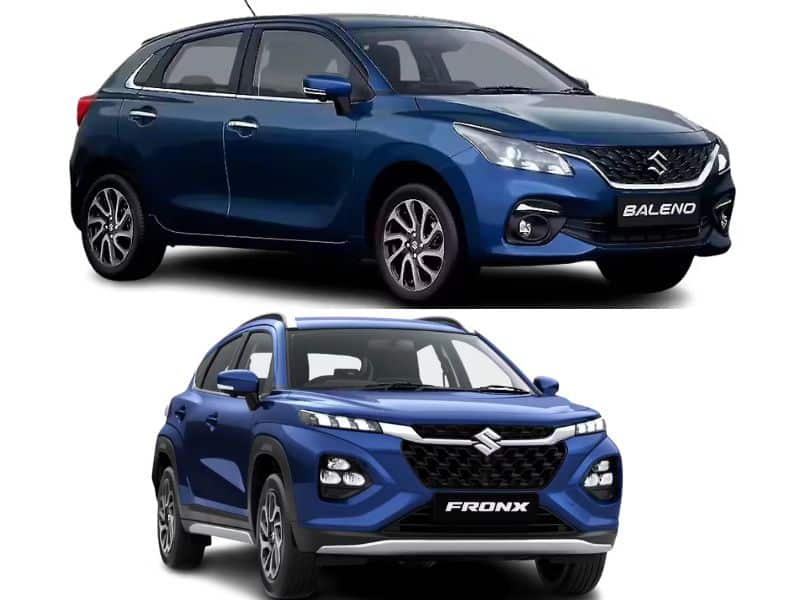
Maruti Suzuki the clearest case: With the widest wholesale-retail gap of any OEM in July, Maruti Suzuki’s dealer network has the most direct financial incentive to discount to clear stock ahead of festive restocking. Dealer-reported offers already in market include cash discounts and scrappage bonuses on the Baleno (up to Rs 15,000 cash plus a Rs 25,000 scrappage bonus on select variants), the Fronx (up to Rs 10,000 cash on the turbo variant plus scrappage and exchange bonuses), and the Grand Vitara, where offers vary meaningfully between the mild-hybrid and strong-hybrid variants. Given Maruti’s inventory position, further movement on these figures through August, particularly on petrol hatchback variants where E20 hesitancy is also slowing retail conversion, is a reasonable expectation rather than a confirmed fact at this stage.
Tata Motors concentrated in outgoing EV stock: Tata’s July wholesale-retail gap was comparatively narrow at 3,837 units, so this isn’t a broad inventory problem. What is confirmed is that Tata is clearing outgoing EV stock specifically: the Tiago EV and pre-facelift Punch EV are being offered with benefits reported up to Rs 1.45 lakh as dealers move older-generation electric stock ahead of updated versions. This is a model-cycle clearance pattern, not a signal about Tata’s ICE portfolio, where demand (helped by the Punch’s record month and EV wholesales crossing 15,000 units for the first time) remains healthy.
Hyundai, Kia and Honda active but more moderate: Reporting as of early August names Hyundai, Kia and Honda alongside Tata as running cash discounts, exchange bonuses, scrappage incentives and loyalty benefits across their lineups this month, with the specific figures varying by city and dealership. Hyundai’s July wholesale-retail gap of 6,357 units was driven substantially by dispatches catching up after a vendor-fire-related production disruption in June, so some of this activity may be normal sell-through support rather than a sign of accumulating stock; it’s worth watching whether Hyundai’s gap narrows or widens in the August data before drawing a firmer conclusion.
Mahindra least discount pressure among the top four: Mahindra’s UV wholesale-retail gap was the narrowest of the major SUV-focused brands at 3,829 units, and the company’s own July release describes broad-based demand across its portfolio. Nothing in the current inventory data points to Mahindra needing to discount meaningfully to clear stock this cycle.
Two-Wheelers: A Different Picture Right Now
The honest read on two-wheelers this cycle is that broad-based discounting is unlikely in the near term. Retail demand was strong enough in July to post the segment’s best-ever month for the period, EV adoption is accelerating rather than requiring price support, and TVS raising prices from 1st August 2026 is a direct signal of pricing confidence rather than stock pressure.
That said, FADA’s July release does flag one softer spot worth tracking: rural two-wheeler retail declined 6.16% month-on-month even as it grew year-on-year, a pattern FADA attributes to erratic monsoon rainfall, flooding in western and central markets, and the Aadi/Shravan period being considered inauspicious for purchases in parts of the south. If that rural softness persists into August rather than recovering with the festive calendar, brands with heavier rural exposure could see more targeted, regional dealer-level offers, such as finance discounts, insurance waivers or exchange bonuses, rather than the kind of national cash-discount activity currently playing out on cars. This is an expectation based on the rural retail pattern, not a confirmed discount signal at this point.
What’s Actually Confirmed Right Now
| Brand | Model(s) | Reported Offer (as of early August 2026) | Status |
|---|---|---|---|
| Maruti Suzuki | Baleno | Up to Rs 15,000 cash + Rs 25,000 scrappage bonus (select variants) | Active dealer-reported |
| Maruti Suzuki | Fronx (Turbo) | Up to Rs 10,000 cash + exchange/scrappage bonus | Active dealer-reported |
| Maruti Suzuki | Grand Vitara | Cash offers vary by powertrain, up to Rs 50,000 exchange bonus on strong hybrid | Active dealer-reported |
| Tata Motors | Tiago EV, Punch EV (pre-facelift) | Benefits reported up to Rs 1.45 lakh on outgoing stock | Active, confirmed 5th August 2026 |
| Hyundai, Kia, Honda | Multiple models | Cash discounts, exchange bonuses, scrappage and loyalty benefits; figures vary by city/dealer | Active, confirmed 5th August 2026 |
| TVS Motor | Most two-wheeler lineup | Price increase of Rs 550-13,580, not a discount | Effective 1st August 2026 |
What to Watch Into the Festive Season
Two things will confirm or complicate this outlook over the next few weeks. First, whether Maruti Suzuki’s wholesale-retail gap narrows in August as festive retail picks up, or widens further, which would point to a deeper discounting cycle than what’s currently visible at the dealer level. Second, whether rural two-wheeler retail recovers with the monsoon and the festive calendar (Onam runs 16th-26th August, Raksha Bandhan falls on 28th August) or continues to lag, which would be the trigger for the more targeted two-wheeler offers discussed above rather than the broad cash discounting already underway on cars.
Frequently Asked Questions
Are car discounts expected to increase in India in August 2026?
Discount activity is already active on select models at Maruti Suzuki, Tata Motors, Hyundai, Kia and Honda as of early August 2026. Given that PV dealer inventory stood at 33-35 days at the end of July, above FADA’s 21-day benchmark, with Maruti Suzuki carrying the widest wholesale-retail gap among major OEMs, further discount activity through August is a reasonable expectation, though not yet confirmed for specific models beyond what dealers are currently reporting.
Why are two-wheelers not seeing the same discount pressure as cars right now?
FADA’s July 2026 data shows two-wheeler retail grew 28.25% year-on-year to its best-ever July, and TVS Motor Company raised prices on most of its lineup from 1st August 2026. Strong retail sell-through generally removes the financial pressure on dealers that leads to cash discounting, which is why the segment is behaving differently from cars this cycle.
Which car brand has the most discount pressure heading into the festive season?
Maruti Suzuki, based on its July 2026 wholesale-retail gap of roughly 38,250 units, the widest among major OEMs, and dealer-reported cash and scrappage offers already active on models including the Baleno, Fronx and Grand Vitara.
Is Tata Motors discounting its entire passenger vehicle range?
No. Reported offers of up to Rs 1.45 lakh are specifically on outgoing Tiago EV and pre-facelift Punch EV stock, tied to a model-generation changeover rather than broad inventory pressure. Tata’s overall July wholesale-retail gap was comparatively narrow at 3,837 units.