

Most first-time buyers spend weeks researching the bike and about ten minutes on the helmet, usually at the dealership counter, right before riding it home. That’s backwards. The gear you wear is what actually protects you when something goes wrong, and on Indian roads, with unpredictable traffic and road surfaces that vary block to block, something eventually will. This guide covers what to actually check before buying a helmet and the rest of your riding gear.
Helmet Standards: What ISI and DOT Actually Mean
Every helmet sold in India should carry an ISI mark, which confirms it meets the Bureau of Indian Standards’ safety requirements. This isn’t optional paperwork. It’s a legal requirement, and it’s also the baseline signal that the helmet has actually been tested for impact protection rather than just looking the part.
Some higher-end helmets also carry international certifications like DOT (United States) or ECE (Europe), which involve their own testing protocols. A helmet with both ISI and an international certification generally reflects a more rigorously tested shell and liner, though ISI certification alone is the legal minimum and shouldn’t be treated as inferior on its own. What matters more than chasing every certification going is avoiding the uncertified, unbranded helmets still sold cheaply at some local stalls. These often have zero real impact protection despite looking similar to certified ones from a few feet away.
Full-Face vs Open-Face vs Modular: Picking the Right Type
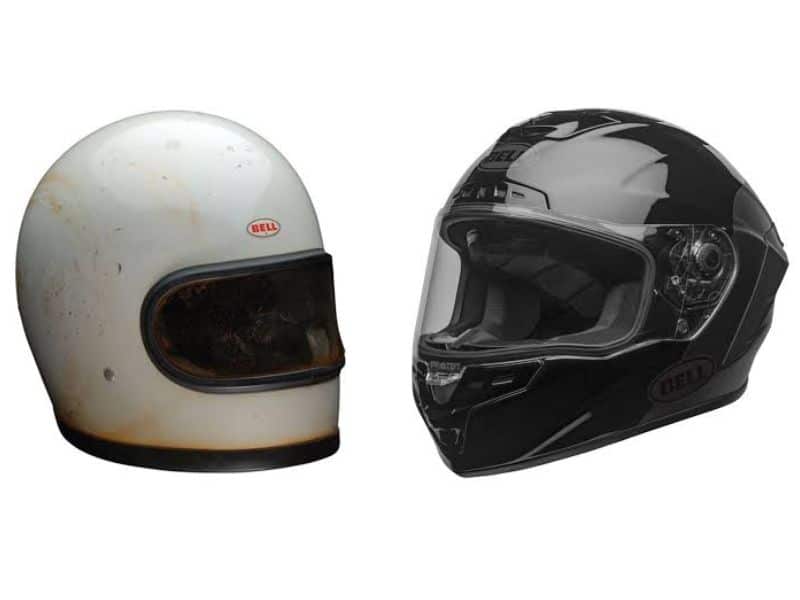
Full-face helmets cover the entire head, including the chin, and offer the most complete protection available. For anyone doing regular city riding, highway stretches, or any kind of performance riding, this is the category worth prioritising. The chin bar alone accounts for a significant share of face-related injuries in a crash, which open-face designs simply don’t guard against.
🚀 Join Our Tech Community!
Get the latest news, updates, and tech trends delivered straight to your phone. Never miss an update!
Open-face (half) helmets cover the top and back of the head but leave the face exposed. They’re lighter and cooler, which explains their popularity in hot, humid conditions, but the trade-off is real: no chin or face protection at all. These suit short, slow city rides at best, not a primary daily helmet for regular commuting.
Modular (flip-up) helmets combine full-face protection with a chin bar that flips up, useful for riders who want to talk, drink water, or grab a quick breather without removing the helmet entirely. They tend to weigh more than a standard full-face and the flip mechanism is one more part that can wear out over time, but for touring riders who value that convenience, it’s a reasonable trade-off.
For most Indian riders, a certified full-face helmet remains the safest, most practical default, with modular helmets as a solid alternative for genuine long-distance touring.
Getting the Fit Right
A helmet that doesn’t fit properly won’t protect you the way it’s designed to, no matter how good its certification. Don’t buy by eyeballing size charts online without trying it on first.
A properly fitting helmet should feel snug all around without any single pressure point, sit level on your head rather than tilted back, and not shift or rotate when you shake your head firmly side to side. The cheek pads should touch your cheeks without pinching, and the chin strap should be tight enough that you can only fit one or two fingers underneath it once fastened.
If a helmet feels loose after a few weeks of use, check whether the padding has compressed with wear, which happens naturally over time, rather than assuming the fit was wrong from the start.
Riding Jackets: Balancing Protection and Indian Heat
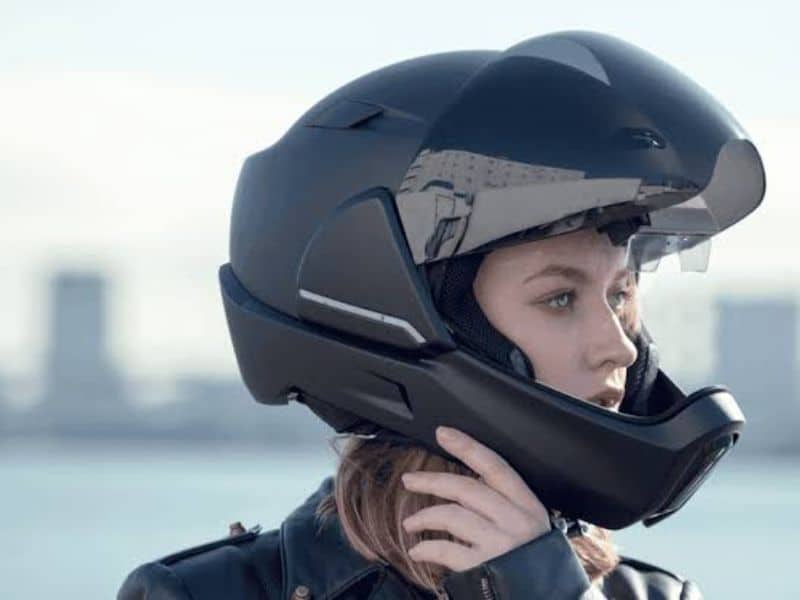
A riding jacket does two jobs: abrasion protection if you go down, and impact protection at the shoulders and elbows where armour is typically fitted. In India’s climate, the challenge is finding gear that does this without turning every ride into a sweat session.
Look for mesh or perforated jackets during summer months, which allow airflow while still carrying proper armour at the shoulders and elbows. A jacket with removable thermal or waterproof liners gives you flexibility across seasons, useful in regions with a real winter or heavy monsoon stretch, without needing multiple jackets.
Don’t skip the armour to save money on a cheaper jacket. A jacket without shoulder and elbow protection is really just a fashion item, not genuine riding gear, regardless of how it looks.
Gloves, Riding Pants, and Boots: The Gear Riders Skip
These three pieces get skipped more than any other gear, usually because riders assume regular clothing and footwear are good enough. They aren’t.
Gloves protect your hands in exactly the kind of low-speed fall where riders instinctively put a hand down first. Look for gloves with knuckle protection and a snug, non-bulky fit that doesn’t compromise your grip or clutch feel.
Riding pants, whether dedicated riding denim with reinforced panels or textile pants with knee and hip armour, protect an area regular jeans do nothing for in a slide. This is one of the most commonly skipped categories, largely because normal jeans feel adequate until they aren’t.
Riding boots or at least sturdy ankle-covering shoes matter more than most riders assume, since ankle injuries are common in low-speed drops and regular sneakers offer no real protection or grip on wet foot pegs. Dedicated riding boots with ankle support are worth the investment for anyone riding regularly, not just for touring.
Monsoon-Specific Gear Considerations
India’s monsoon season demands specific attention beyond just grabbing a raincoat over regular gear.
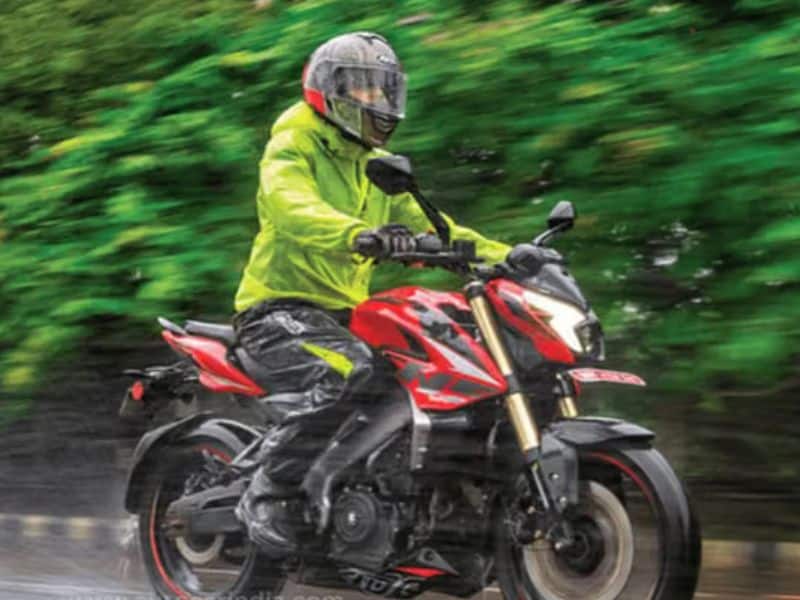
A waterproof riding jacket and pants combo, or waterproof rain covers designed to go over your regular gear, keeps you dry without the flapping and visibility issues of a loose poncho. Waterproof gloves, or at least water-resistant ones, prevent the slippery-grip problem that regular gloves develop once soaked. And a helmet with a good anti-fog visor or a pinlock insert matters enormously during monsoon riding, since visor fogging in humid, wet conditions is a genuine visibility hazard, not a minor annoyance.
Check that your jacket and pants seams are actually sealed or taped, not just made from a water-resistant fabric, since untaped seams let water through steadily during sustained monsoon riding.
Budgeting for Gear: What to Prioritise First
If budget forces a choice, prioritise in this order: a certified full-face helmet first, since head protection matters most in a crash. Gloves come next, given how instinctively riders put hands down in a fall. A proper riding jacket with armour follows, then riding pants, then boots.
This doesn’t mean the later items don’t matter. It means that if you’re building up your gear collection gradually rather than buying everything at once, this order reflects where the real-world injury risk concentrates most heavily.
Frequently Asked Questions
Is an ISI-certified helmet enough, or do I need DOT or ECE certification too?
ISI certification is the legal minimum in India and confirms genuine crash-tested protection. DOT or ECE certification on top of ISI generally reflects additional testing, but ISI alone is a legitimate, safe baseline. What to avoid entirely is an uncertified helmet with no real testing behind it.
Are open-face helmets safe for daily city riding?
Open-face helmets offer no chin or face protection, which is a meaningful gap for regular commuting. They’re better suited to short, slow rides than as a primary daily helmet.
How do I know if my helmet fits correctly?
A properly fitting helmet feels snug without pressure points, sits level rather than tilted back, and doesn’t shift when you shake your head firmly. The chin strap should allow only one or two fingers underneath once fastened.
Do I really need riding pants if I already wear jeans?
Regular jeans offer essentially no abrasion protection in a slide. Dedicated riding pants or reinforced riding denim with knee and hip armour protect an area jeans leave exposed, and are worth prioritising once you’ve covered helmet and gloves.
What’s the most important gear to buy first if I’m on a budget?
A certified full-face helmet comes first, followed by gloves, then a jacket with shoulder and elbow armour. Riding pants and boots follow as budget allows, though all five pieces matter for genuine protection.