
India’s road safety crisis remains one of the most serious challenges, especially for two-wheeler riders. With millions of motorcycles on the road, even small improvements in safety practices and equipment can save thousands of lives each year.
A large share of road fatalities in India involves two-wheeler riders, and many of these deaths are linked to either not wearing helmets or using low-quality ones. The issue is not just about usage, but also about the quality and correct usage of helmets.
A properly certified helmet can significantly reduce the risk of fatal head injuries. However, many riders either avoid wearing helmets altogether or rely on substandard products that offer little real protection. Even among those who wear helmets, improper usage reduces their effectiveness.
One of the major concerns is the widespread availability of low-quality or non-compliant helmets in the market. These products may look similar to certified ones but fail to provide adequate protection during accidents.
🚀 Join Our Tech Community!
Get the latest news, updates, and tech trends delivered straight to your phone. Never miss an update!
This is where helmet innovation becomes crucial.
Modern helmets are now designed using advanced materials such as carbon fibre and high-strength composites, which improve impact absorption while keeping the helmet lightweight. Better ventilation systems also make them more comfortable, especially in Indian weather conditions, encouraging regular use.
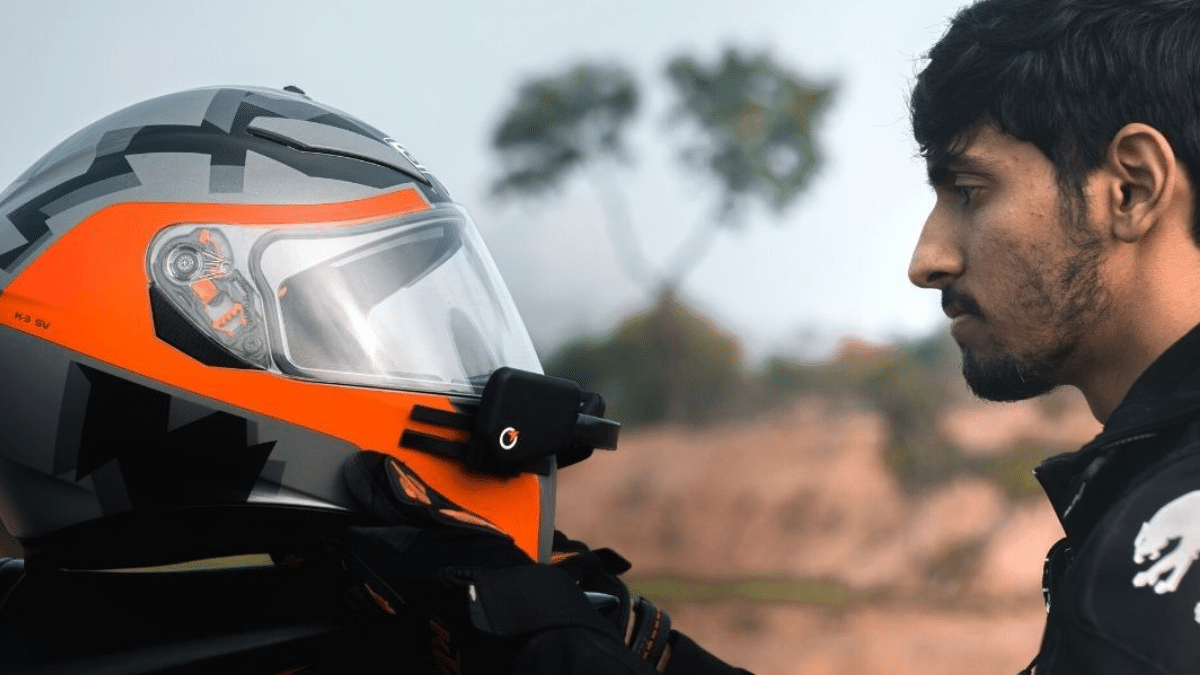
In addition to this, smart helmet technologies are emerging, offering features like connectivity, navigation, and safety alerts. These innovations not only enhance safety but also make helmets more appealing to younger riders.
Alongside innovation, premiumization is playing an important role in improving safety standards.
There is a gradual shift toward higher-quality helmets as awareness increases and consumers begin to prioritize safety. Premium helmets offer better construction, improved fit, enhanced comfort, and higher safety standards.
This shift is important because a well-designed, certified helmet can make a critical difference in the event of an accident.
However, affordability remains a key challenge. Many riders still choose cheaper options, often compromising on safety. Addressing this requires a balance between making quality helmets accessible and increasing awareness about their importance.
Education and awareness are equally important. Long-term improvement in road safety depends on changing rider behavior. Encouraging proper helmet usage through awareness campaigns and consistent enforcement can lead to better compliance.
India has already seen positive results from integrated road safety approaches that combine enforcement, awareness, and infrastructure improvements. Applying a similar approach to helmet usage can significantly reduce fatalities.
The path forward involves stricter regulation to eliminate substandard helmets, greater adoption of innovative and high-quality products, and continuous public awareness efforts.
Road safety ultimately comes down to everyday decisions. For two-wheeler riders, wearing a proper helmet is one of the simplest and most effective ways to protect themselves.
If more riders choose certified, high-quality helmets and use them correctly, India can make substantial progress in reducing road accident fatalities.