

Electric vehicles are rapidly becoming a mainstream choice in India, driven by rising fuel costs, expanding charging infrastructure, and improved battery technology. However, owning an EV is not just about plugging in and driving. Proper EV vehicle management plays a crucial role in maximising driving range, extending battery lifespan, reducing charging costs, and ensuring long-term reliability. Understanding how to manage charging habits, driving behaviour, and daily usage patterns can significantly enhance the overall ownership experience.
Unlike internal combustion vehicles, EVs rely heavily on software, battery chemistry, and energy optimisation systems. Small changes in driving style, charging discipline, and trip planning can result in noticeable improvements in efficiency and operating cost. For Indian conditions, where climate, traffic congestion, and charging availability vary widely, smart EV management becomes even more important.
This guide explains the most effective ways to manage an electric vehicle in everyday use, helping owners get better range, longer battery life, and smoother performance without increasing complexity.
Smart Charging and Battery Care Practices
Efficient EV ownership starts with intelligent charging management. Charging behaviour directly impacts both battery health and long-term performance. Consistently following proper charging routines can slow battery degradation and maintain stable range output over the years.
🚀 Join Our Tech Community!
Get the latest news, updates, and tech trends delivered straight to your phone. Never miss an update!
Key charging and battery care practices include:
- Avoiding frequent 100% charging unless required for long trips
- Maintaining daily charge levels between 20% and 80%
- Preferring slow AC charging over frequent DC fast charging
- Charging during off-peak hours when electricity supply is stable
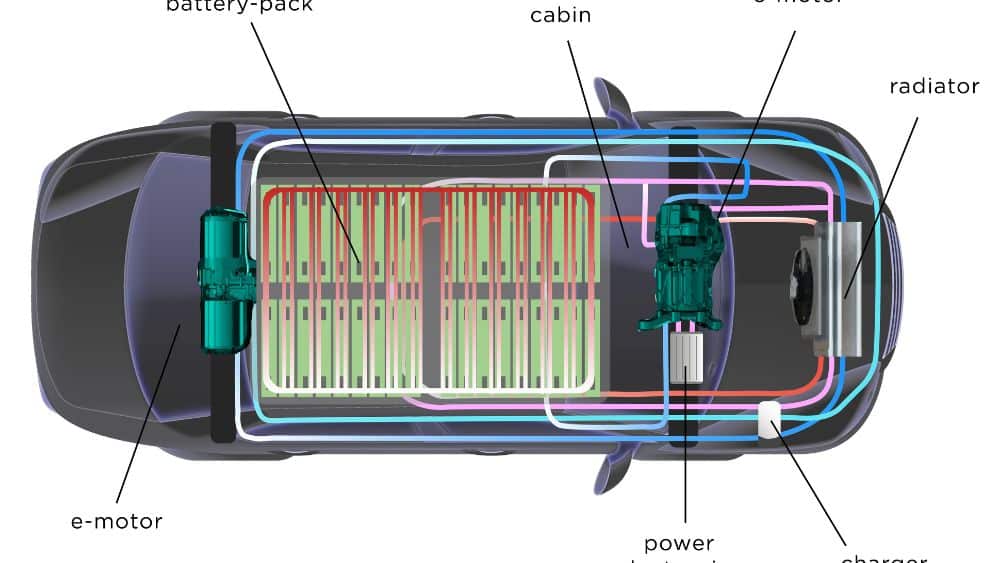
Maintaining moderate charging levels reduces stress on battery cells, improving longevity and thermal stability. Slow charging allows the battery management system to balance cell voltage more effectively, while frequent fast charging can increase internal heat and accelerate battery wear. Over time, disciplined charging routines help preserve both capacity and efficiency.
Environmental factors also influence battery health. Parking in shaded or covered areas during hot weather, avoiding prolonged exposure to direct sunlight, and allowing the battery to cool before fast charging are practical habits that support long-term performance. These simple measures help maintain stable battery temperature and prevent unnecessary energy loss.
Driving Techniques for Higher Range and Efficiency
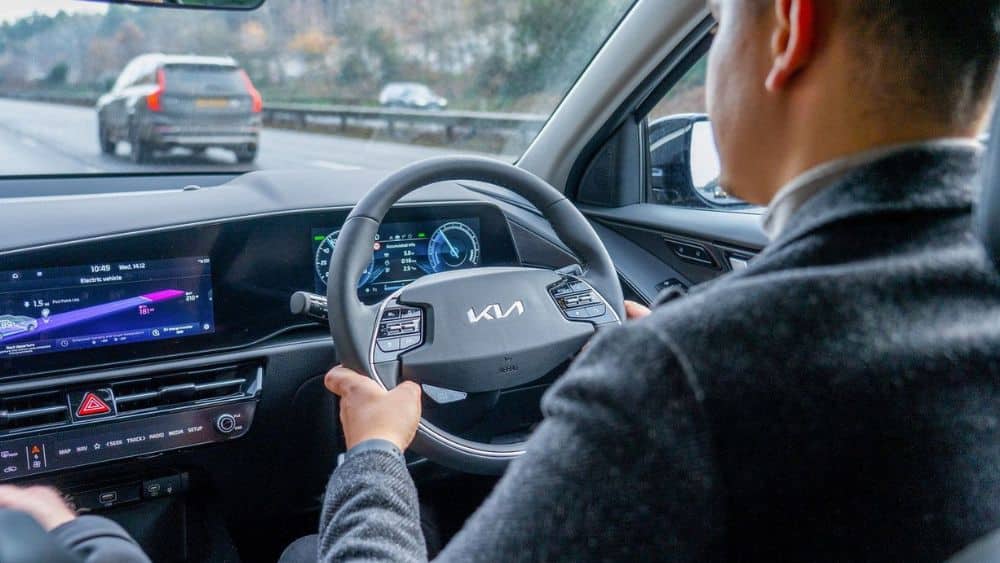
Driving style plays a major role in determining real-world EV range. Smooth, predictive driving techniques significantly improve energy efficiency and reduce unnecessary battery drain, especially in urban Indian traffic conditions.
Effective range-optimisation techniques include:
- Gentle acceleration and smooth braking
- Maintaining steady cruising speeds
- Maximising regenerative braking usage
- Avoiding high-speed highway driving for extended durations
Rapid acceleration draws high current from the battery, increasing energy consumption. Smooth throttle input and gradual speed buildup allow the motor and inverter to operate in their most efficient zones. Similarly, consistent speeds reduce repeated power surges, helping maintain stable consumption figures.
Regenerative braking recovers kinetic energy during deceleration and feeds it back into the battery. Anticipating traffic flow, lifting off the accelerator early, and coasting whenever possible improve regen efficiency. Over daily commutes, these small adjustments can add noticeable extra kilometres of usable range, particularly in congested urban driving environments.
Daily Usage Planning and Long-Term EV Management
Beyond charging and driving, effective EV management involves planning daily routines, trip schedules, and long-term maintenance strategies. Thoughtful usage planning helps avoid range anxiety, reduces operating costs, and ensures consistent performance.
Practical daily EV management habits include:
- Planning charging cycles around daily driving needs
- Monitoring real-time energy consumption data
- Pre-conditioning cabin temperature while plugged in
- Scheduling longer trips based on charging network availability
Using vehicle apps or dashboard displays to monitor consumption trends helps drivers understand how climate control, speed, terrain, and load affect range. Pre-conditioning the cabin while charging allows climate systems to draw power from the grid rather than the battery, preserving driving range, especially in extreme weather.
Long-term EV management also includes periodic software updates, battery health diagnostics, and cooling system checks. Unlike conventional vehicles, EVs rely heavily on software calibration for energy optimisation, charging safety, and performance balance. Keeping systems updated ensures access to efficiency improvements and reliability enhancements introduced by manufacturers.