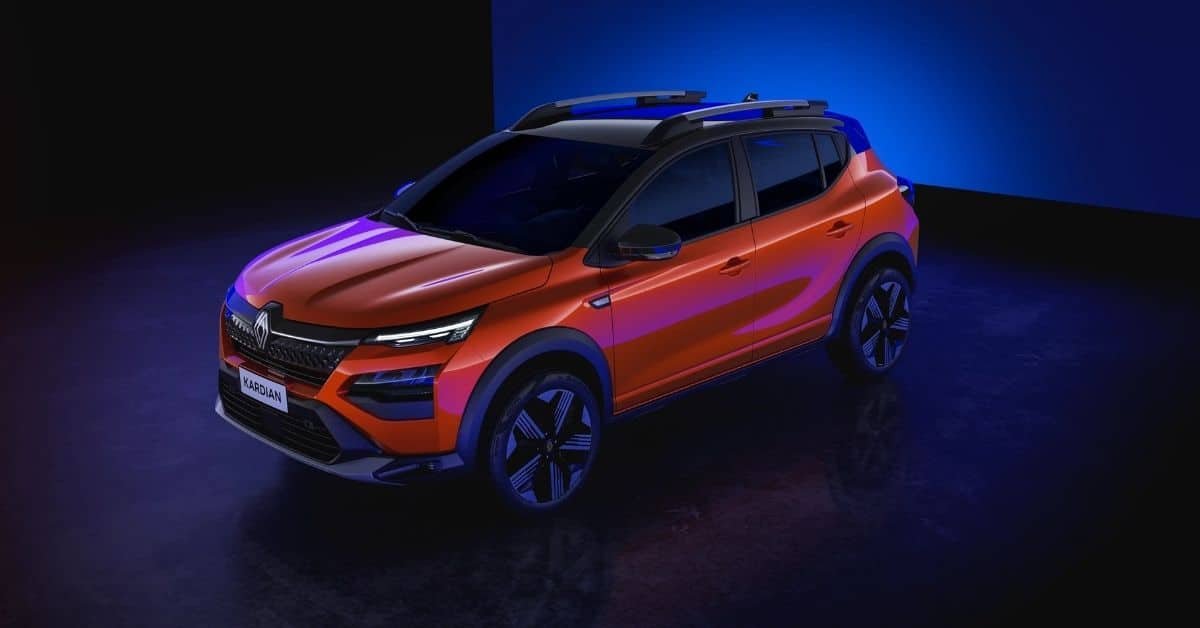

Renault is preparing to strengthen its presence in India’s compact SUV segment with the upcoming Renault Kardian. Already introduced in select global markets, the Kardian is now expected to arrive in India as a modern, urban-oriented SUV aimed at younger buyers and first-time SUV upgraders.
As per current expectations, the Renault Kardian is likely to launch in India on June 15, 2026, with an estimated starting price of around Rs. 11 lakh (ex-showroom). The model is expected to be positioned below mid-size SUVs while offering more contemporary styling and technology than entry-level compact SUVs
Why the Renault Kardian Matters for the Indian Market
The compact SUV category continues to witness strong demand in India due to its balance of road presence, practicality, and everyday usability. Renault currently lacks a fresh offering in this space, and the Kardian is expected to address that gap.
Built on Renault’s newer modular platform, the Kardian is expected to deliver improved safety standards, better ride comfort, and updated technology, all of which are increasingly important for Indian buyers.
🚀 Join Our Tech Community!
Get the latest news, updates, and tech trends delivered straight to your phone. Never miss an update!
Exterior Design and Styling
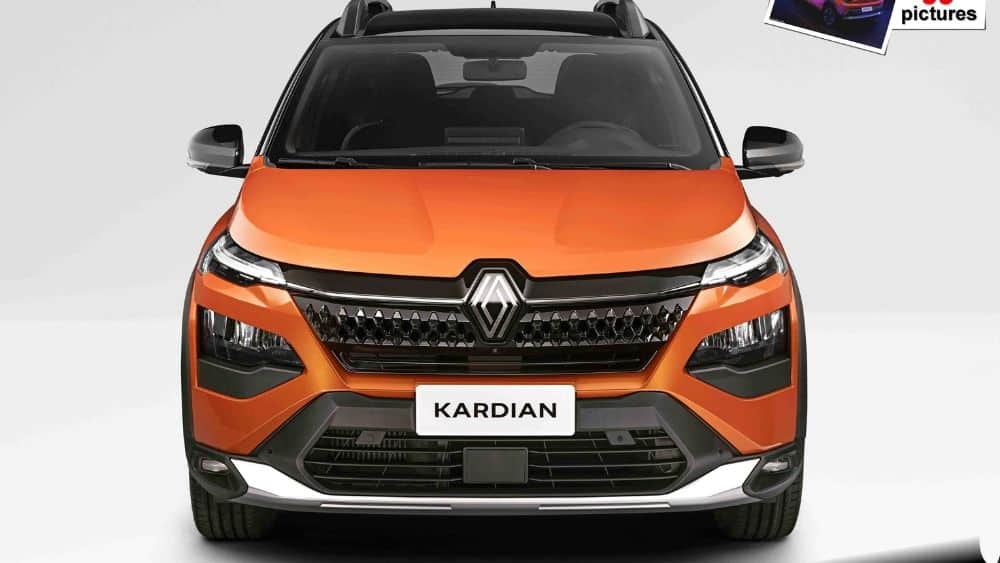
The Renault Kardian follows the brand’s latest global design language, focusing on sharper lines and a more premium appearance compared to older Renault models sold in India.
Expected exterior elements include split LED headlamps with slim daytime running lights, a bold front grille with updated Renault branding, sculpted body panels, muscular wheel arches, dual-tone alloy wheels on higher variants, and connected LED tail-lamps that enhance rear-road presence.
Interior and Cabin Experience
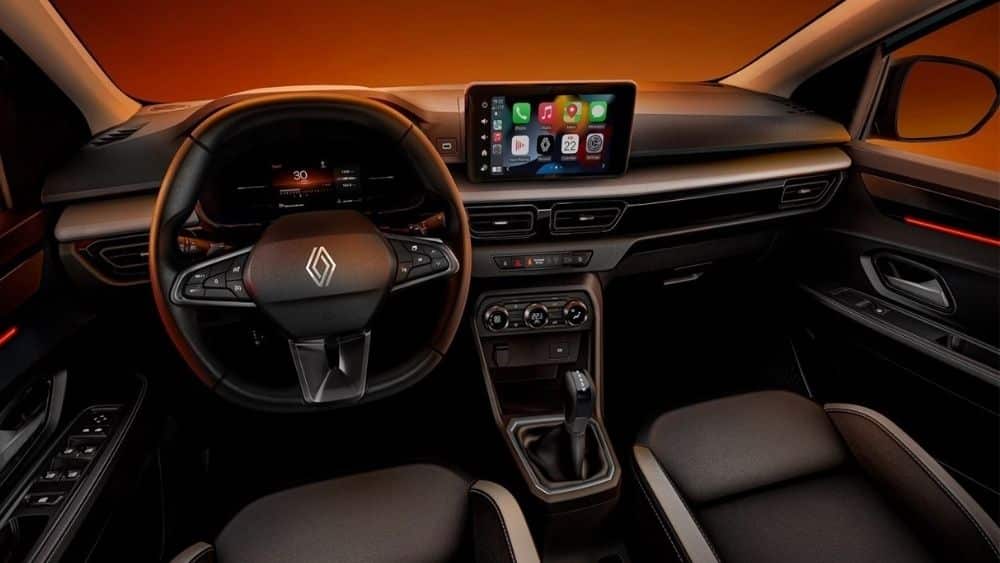
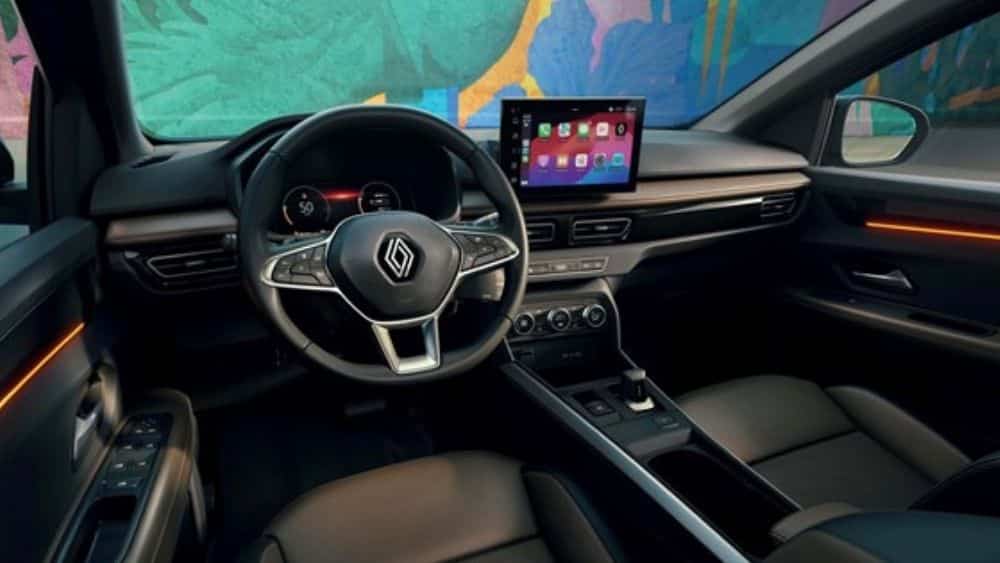
Inside the cabin, the Renault Kardian is expected to offer a noticeable upgrade over Renault’s current India lineup. The focus is likely to be on digital interfaces, improved material quality, and a cleaner, more modern dashboard layout.
Expected interior features include a large touchscreen infotainment system, a fully digital instrument cluster, wireless Android Auto and Apple CarPlay support, automatic climate control, a multi-function steering wheel, and improved seat comfort with better cabin insulation.
Rear seat space and boot capacity are expected to be suitable for city use and occasional highway travel.
Engine and Transmission Expectations
For the Indian market, Renault is expected to prioritise petrol powertrains for the Kardian, in line with current buyer demand and emission regulations.
Likely powertrain details include a 1.0-litre turbo-petrol engine, manual and automatic transmission options, front-wheel-drive configuration, and tuning focused on fuel efficiency and smooth urban drivability.
A diesel engine option appears unlikely at launch.
Safety and Technology Focus
Safety is expected to be an important aspect of the Renault Kardian’s positioning, especially as buyer awareness around crash protection and standard safety equipment continues to grow.
Expected safety features include multiple airbags, electronic stability control, hill-start assist, rear parking camera with sensors, and ISOFIX child-seat mounts. Higher variants may receive additional electronic safety features depending on final specifications.
Expected Price and Variant Positioning
With an estimated starting price of around Rs. 11 lakh, the Renault Kardian is expected to be positioned above entry-level compact SUVs and below larger mid-size SUVs. Pricing is likely to vary based on transmission options, feature levels, and safety equipment.
This pricing strategy could help Renault attract buyers upgrading from hatchbacks and compact sedans.
Expected Launch Timeline
The Renault Kardian is expected to launch in India on June 15, 2026. Initial availability is likely to focus on petrol variants, with India-specific specifications and variant details to be revealed closer to the launch date.
Outlook for Renault Kardian in India
The Renault Kardian represents an important step for Renault in India’s competitive SUV market. With modern styling, updated interiors, and a focus on safety and technology, the Kardian could help the brand regain momentum if pricing and after-sales support align well with market expectations