

India’s automobile industry could face growing challenges if the ongoing tensions in West Asia continue, according to the President of the Federation of Automobile Dealers Associations. The concerns highlight potential risks related to fuel prices, supply chains, and export markets.
One of the most immediate impacts is expected to come from rising fuel costs. Global oil markets are highly sensitive to developments in West Asia, and any disruption can lead to price volatility. Higher fuel prices not only affect consumers but also increase logistics and transportation costs across the automotive value chain.
Raw material availability is another area of concern. Key inputs such as aluminium and energy resources used in manufacturing could become more expensive or harder to source. This may lead to increased production costs for automakers and impact overall profitability.
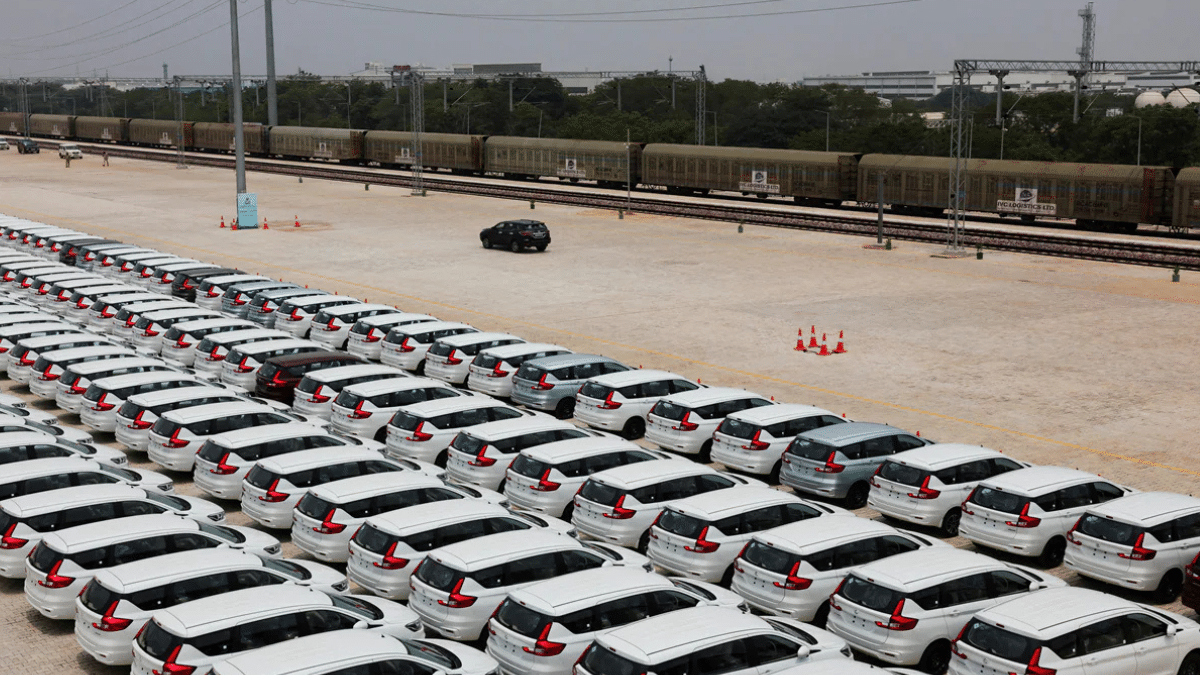
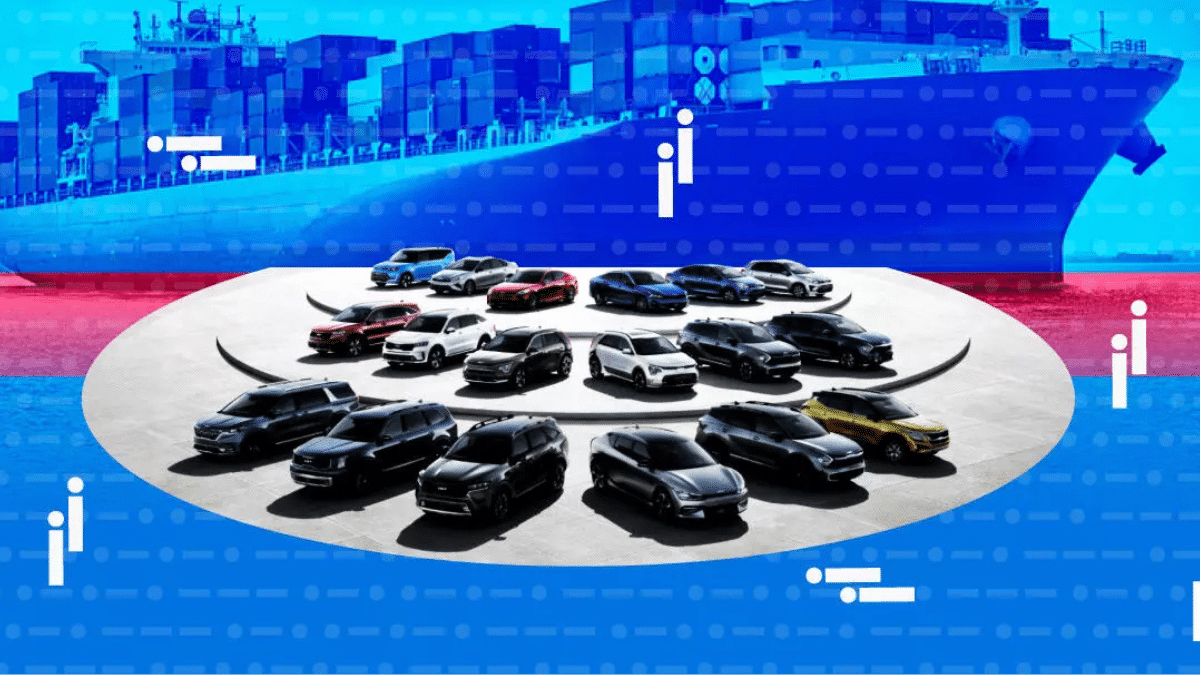
Exports also face potential risks. The Middle East is an important destination for Indian automobile exports, and prolonged instability in the region could disrupt demand and logistics. A slowdown in exports would directly affect manufacturers that rely on international markets for growth.
🚀 Join Our Tech Community!
Get the latest news, updates, and tech trends delivered straight to your phone. Never miss an update!
Despite these challenges, the domestic market continues to show resilience. Strong demand within India may help offset some of the negative effects caused by global uncertainties, at least in the short term.
However, supply chain disruptions remain a significant risk. The automotive industry depends heavily on global sourcing for components and materials. Any delays or shortages caused by geopolitical tensions could impact production schedules and vehicle availability.
The situation also highlights India’s dependence on imported resources, particularly crude oil. Industry experts emphasize the need for diversification and stronger domestic capabilities to reduce vulnerability to global disruptions.
At the same time, the scenario strengthens the case for alternative mobility solutions. Increased focus on fuel efficiency, hybrid technologies, and electric vehicles could help reduce reliance on volatile energy markets in the long run.
If the conflict continues for an extended period, the combined impact of rising costs, supply constraints, and export challenges could slow the growth of the automobile sector.
In summary, the ongoing West Asia conflict presents a mix of risks for India’s automotive industry. While domestic demand remains stable, factors such as fuel prices, raw material supply, and export performance will play a critical role in shaping the sector’s future.