
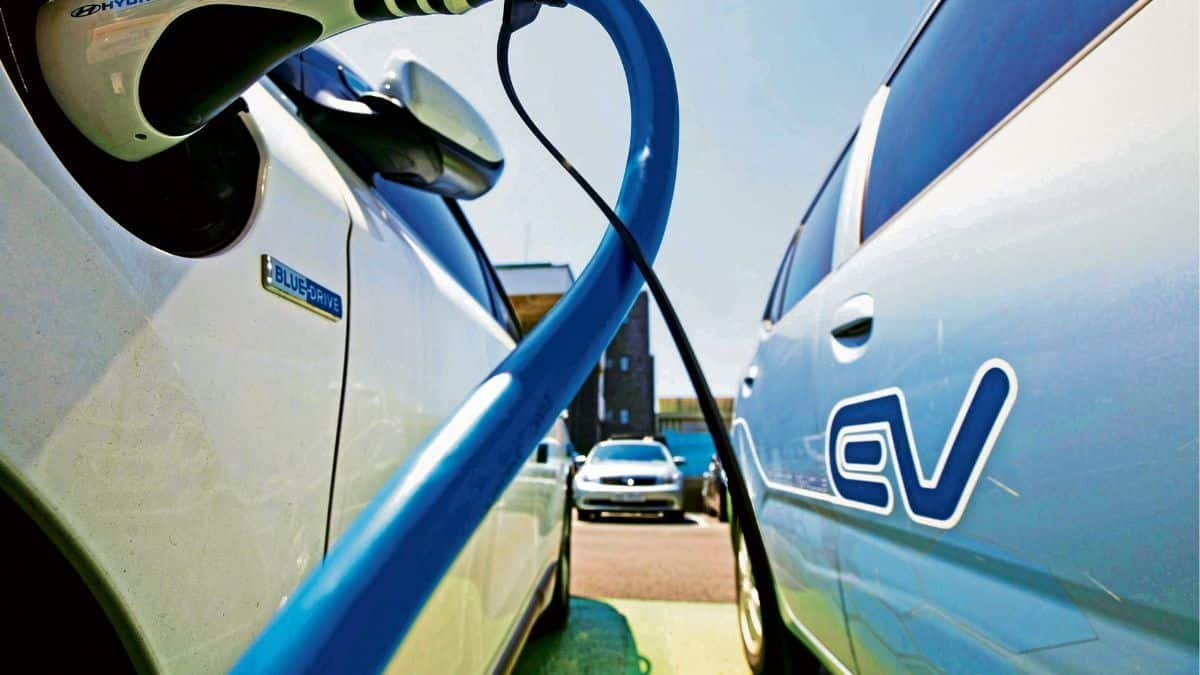

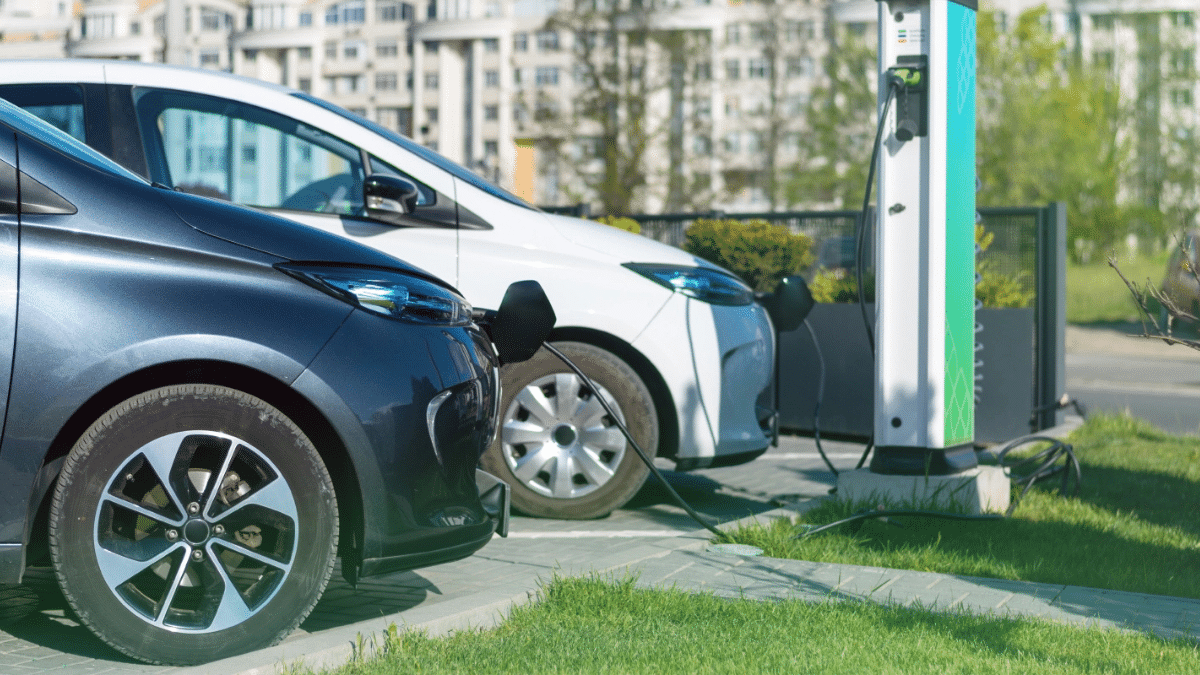
India’s electric vehicle adoption is accelerating rapidly across segments, but a critical challenge is becoming increasingly visible. The expansion of charging infrastructure is not keeping pace with the surge in EV demand, creating pressure on the network and raising concerns about long-term sustainability.
The growth of EVs in India has been strong, particularly in two-wheelers, passenger vehicles, and fleet operations. However, the number of charging stations has not increased at the same rate, leading to an imbalance between supply and demand.
This gap is already affecting users in many areas. In cities, charging stations are experiencing higher utilization, sometimes leading to waiting times. On highways and in smaller towns, limited availability of chargers continues to restrict seamless long-distance travel.
One of the biggest challenges is uneven infrastructure distribution. While major urban centers have seen progress, many regions still lack adequate charging facilities. This disparity makes EV ownership less convenient outside metropolitan areas.
🚀 Join Our Tech Community!
Get the latest news, updates, and tech trends delivered straight to your phone. Never miss an update!
Another important factor is the ratio of chargers to vehicles. As the number of EVs grows, the existing infrastructure is being stretched, increasing concerns around accessibility and reliability. Range anxiety remains a key issue for potential buyers.
Setting up charging infrastructure also involves several hurdles. High initial investment, land availability, and grid readiness are major constraints. In addition, coordination between different stakeholders can slow down deployment.
Financial viability is another concern. The cost of installing and operating charging stations, combined with electricity pricing, can limit private sector participation, which is essential for large-scale expansion.
Despite these challenges, the situation presents a significant opportunity. The rising demand for EVs is encouraging innovation in areas such as fast charging, battery swapping, and smart energy management systems.
Government policies and industry collaboration will play a crucial role in addressing these gaps. Incentives, infrastructure planning, and technological advancements will be key to building a robust charging network.
For India, which has ambitious electrification goals, strengthening charging infrastructure is essential. Without adequate support systems, the rapid growth of EVs may face bottlenecks.
In summary, India’s EV boom reflects strong momentum toward sustainable mobility, but the lag in charging infrastructure is creating challenges. Bridging this gap will be critical to ensuring a smooth and scalable transition to electric vehicles.