
Old Vehicles Deregistered India has become a major focus in recent years as authorities try to reduce pollution and modernise the country’s vehicle fleet. However, even after removing a large number of ageing vehicles from the system, the total number of vehicles on Indian roads continues to grow.
This trend shows that while scrappage policies are working on one side, rising demand for personal mobility is pushing overall vehicle numbers in the opposite direction.
Massive Deregistration Drive
More than 66 lakh old vehicles have been deregistered as part of efforts to phase out end-of-life vehicles. These include petrol vehicles older than 15 years and diesel vehicles older than 10 years, which are considered major contributors to pollution.
The initiative is aimed at improving air quality and encouraging the use of newer, more efficient vehicles.
🚀 Join Our Tech Community!
Get the latest news, updates, and tech trends delivered straight to your phone. Never miss an update!
Vehicle Numbers Still Rising
Despite this large-scale removal of old vehicles, the total number of vehicles on the road continues to increase.
New registrations are happening at a faster pace, offsetting the impact of deregistration. This means that even though older vehicles are being phased out, the overall vehicle population keeps growing.
Why Vehicle Numbers Are Increasing
One of the biggest reasons for this trend is the rising demand for personal transportation.
More people are choosing to own vehicles due to convenience, improved affordability, and easy access to financing.
Urban expansion and changing lifestyles are also contributing to increased vehicle ownership, especially in growing cities and towns.
At the same time, public transport systems in many areas are still developing, pushing commuters toward private vehicles.
Two-Wheelers Lead the Growth
Two-wheelers continue to dominate India’s vehicle population.
They remain the most preferred mode of transport due to their affordability, fuel efficiency, and ease of use in congested traffic conditions.
Cars and utility vehicles are also seeing steady growth, especially in urban areas where income levels and aspirations are rising.
Rising Vehicle Density
Vehicle density in India is increasing steadily, with more vehicles per person than before.
This rise reflects a growing dependence on private mobility, especially in cities where daily commuting is becoming more challenging.
Higher vehicle density is also putting pressure on roads and infrastructure.
Impact on Urban Mobility
The increase in vehicle numbers is creating several challenges for urban areas.
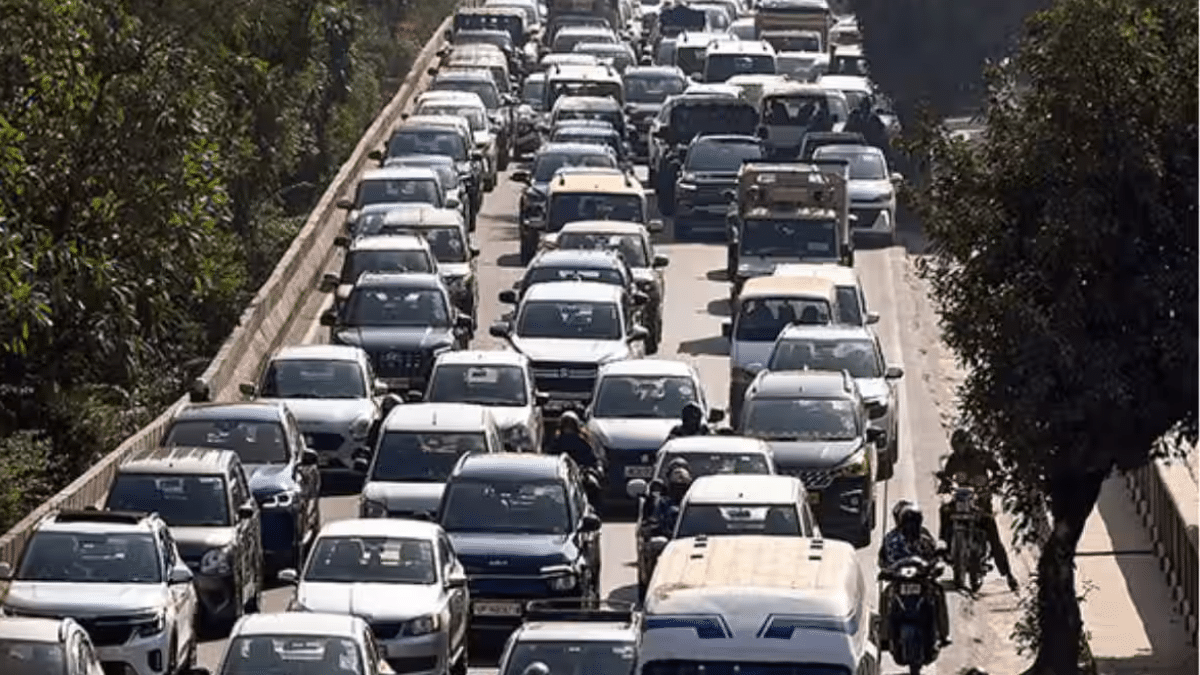
Traffic congestion is becoming more severe, leading to longer travel times and reduced efficiency.
Environmental concerns remain, as more vehicles contribute to emissions, even if older vehicles are being replaced.
This situation highlights the need for a balanced approach that includes both vehicle regulation and infrastructure improvement.
Challenges Ahead
While deregistration policies are effective in removing old vehicles, they are not enough to control overall growth.
Managing rising demand for personal mobility remains a key challenge.
Improving public transport and promoting alternative mobility solutions will be essential in addressing this issue.