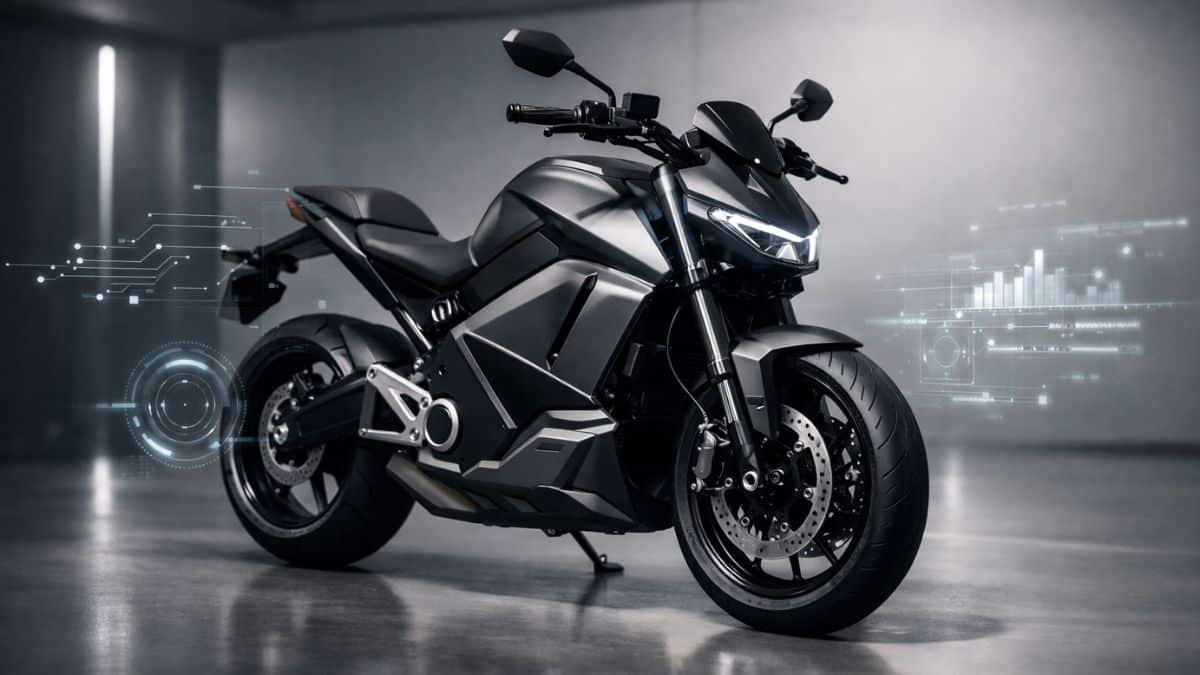

Indian electric mobility startup Matter has introduced India’s first AI-Defined Vehicle platform for electric two-wheelers, marking a major shift in how EV bikes and motorcycles will be developed in the future. Instead of focusing only on hardware like batteries and motors, Matter’s new platform places software and artificial intelligence at the core of the vehicle architecture.
What an AI-Defined Vehicle Platform Means
An AI-defined vehicle is designed to continuously learn and evolve through software. Matter’s platform uses embedded intelligence to analyse riding patterns, vehicle performance, and usage behaviour. Over time, this allows the two-wheeler to adapt throttle response, efficiency, and ride characteristics without mechanical changes, relying instead on over-the-air (OTA) updates.
How This Changes Electric Two-Wheelers
Traditional electric two-wheelers are largely static after purchase, with fixed performance and features. Matter’s AI-driven approach changes this by enabling vehicles to improve even after delivery. Software updates can unlock new features, optimise energy usage, and enhance riding dynamics, extending the product’s relevance and lifespan without requiring new hardware.
First Application: Matter’s Electric Motorcycle Lineup
The AI-defined platform underpins Matter’s electric motorcycle range, including models like the AERA, which already stands out with features such as a multi-speed gearbox a rarity in electric two-wheelers. With AI integration, Matter can fine-tune performance characteristics digitally, offering riders a more engaging and customisable experience over time.
🚀 Join Our Tech Community!
Get the latest news, updates, and tech trends delivered straight to your phone. Never miss an update!
Why This Matters for India’s EV Ecosystem
Electric two-wheelers are the backbone of EV adoption in India. By introducing an AI-first platform, Matter is setting a new benchmark for the industry and encouraging a shift toward software-driven mobility. This could push both startups and established manufacturers to invest more heavily in connected technology, data intelligence, and long-term software support.
Impact on Ownership and Long-Term Value
AI-defined platforms have the potential to reduce ownership costs and improve long-term value. Instead of replacing vehicles to access new features, owners can receive upgrades digitally. Predictive diagnostics powered by AI can also help detect issues early, improving reliability and reducing maintenance downtime.
Matter plans to expand its product portfolio using the same AI-defined architecture, rolling out additional features and performance updates through software. The real test will be how effectively these AI capabilities translate into everyday riding benefits and whether consumers embrace software-driven two-wheelers at scale.