
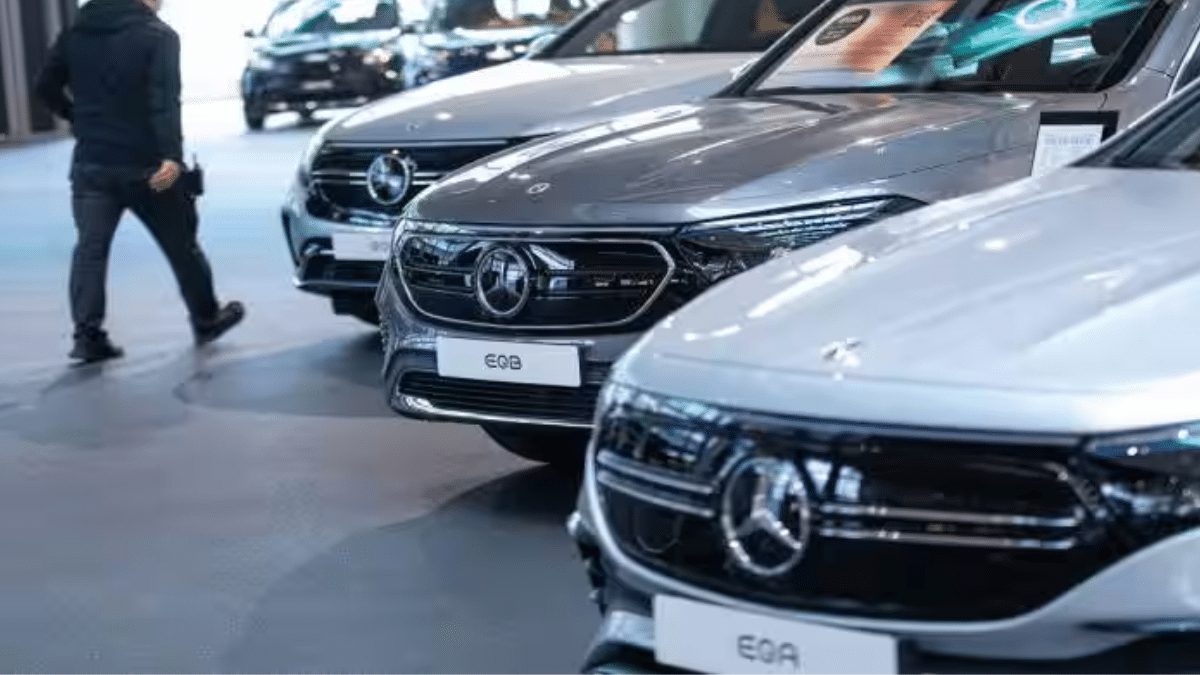

Luxury cars displayed in an Indian showroom with premium vehicles and buyers exploring high-end models
India’s luxury car market is entering a new phase of growth, with BMW projecting that the segment could double by 2030. This signals a major shift in how Indian consumers view premium mobility. What was once a niche category is gradually becoming more mainstream as aspirations rise and spending power improves.
At present, luxury vehicles make up a small portion of India’s overall passenger vehicle market, estimated at around 2–2.5%. However, this share is expected to increase significantly, potentially reaching about 5% by the end of the decade. This growth reflects a broader premiumisation trend, where consumers are increasingly moving toward higher-value products across categories.
Several factors are driving this transformation. Rising disposable incomes and a growing number of high-net-worth individuals are expanding the customer base for luxury vehicles. Alongside this, younger buyers are entering the market with stronger aspirations and a greater inclination toward premium brands. For many, owning a luxury car is not just about transportation but about lifestyle, identity, and status.
🚀 Join Our Tech Community!
Get the latest news, updates, and tech trends delivered straight to your phone. Never miss an update!
The definition of luxury itself has evolved. Buyers today are looking beyond just brand names and focusing on comfort, advanced technology, and overall experience. Features such as connected car systems, premium interiors, and enhanced safety technologies are becoming key decision factors.
Another noticeable trend is the shift toward premium SUVs and long-wheelbase models. These vehicles offer a combination of space, comfort, and road presence, making them particularly appealing in Indian driving conditions. As a result, they are seeing strong demand within the luxury segment.
BMW’s optimistic outlook is supported by its own steady growth in India. The company has been witnessing consistent demand across its portfolio, including both conventional fuel vehicles and electric models. India is increasingly becoming an important market for global luxury automakers, driven by its expanding affluent population and evolving consumer preferences.
Technology is playing a crucial role in shaping the future of this segment. Advanced driver assistance systems, high-end infotainment, and seamless connectivity features are attracting tech-savvy buyers. Electric vehicles are also gaining traction in the luxury space, as premium customers are more willing to adopt new and sustainable technologies.
Despite the strong growth potential, certain challenges remain. Global economic uncertainties can influence buyer sentiment, particularly in the luxury segment where purchases are often discretionary. Additionally, high import duties and currency fluctuations can increase vehicle prices, making them less accessible to a broader audience.
However, these challenges are unlikely to derail the long-term growth story. The overall direction of the market remains positive, supported by strong fundamentals and changing consumer behavior.
Looking ahead, the luxury car segment in India is expected to expand steadily. Automakers are likely to introduce more models, focus on local production, and invest in electric mobility to tap into growing demand. As infrastructure improves and incomes continue to rise, luxury vehicles will become a more prominent part of India’s automotive landscape.
In summary, India’s luxury car market is on a strong upward trajectory. With BMW predicting a doubling of sales by 2030, the segment is evolving from a niche space into a significant growth driver within the broader automobile industry.