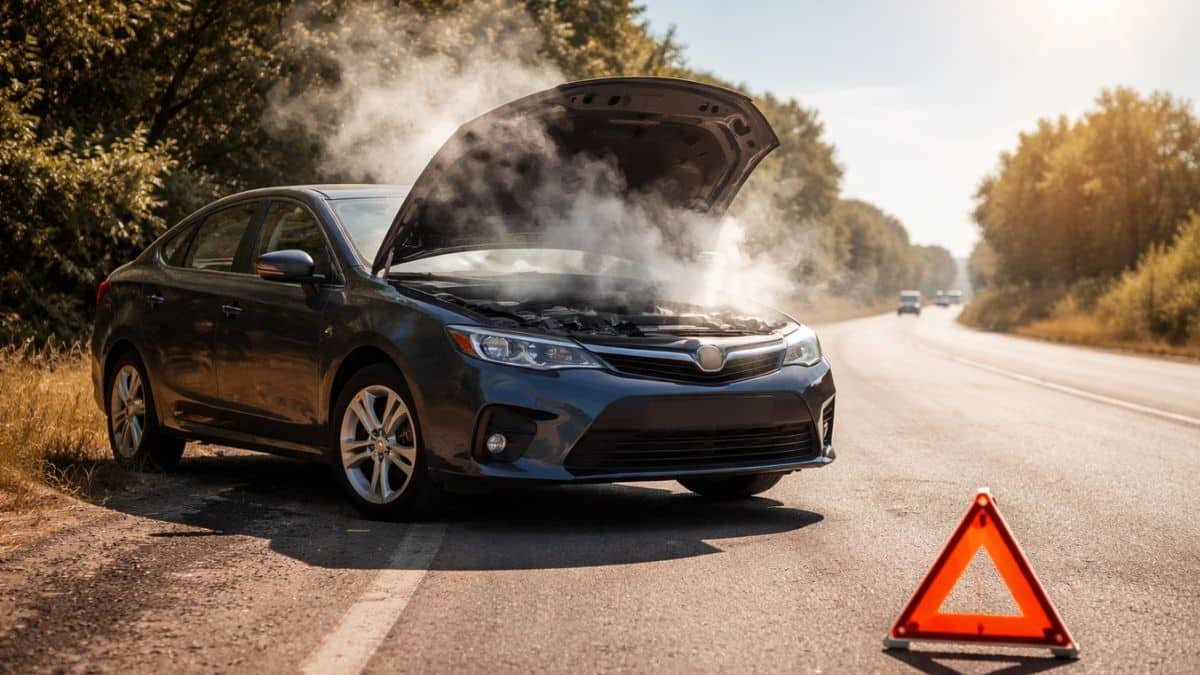

An overheating engine is one of the most common and serious problems car owners face. It can happen suddenly, especially during long drives or in heavy traffic, and if ignored, it can lead to costly repairs or even engine failure. The good news is that most overheating issues have clear warning signs and simple solutions if you know what to look for.
What Does Engine Overheating Mean?
When your car engine runs, it generates a lot of heat. The cooling system is responsible for maintaining the right temperature. If this system fails or cannot manage the heat properly, the engine temperature rises beyond safe levels this is called overheating. You may notice signs like a rising temperature gauge, warning lights, or even steam coming out from under the bonnet.
Common Causes of Engine Overheating
Low Coolant Level
One of the most common reasons is low coolant. Coolant helps absorb heat from the engine and keeps it at an optimal temperature. If the level drops due to leaks or neglect, the engine can quickly overheat.
Radiator Problems
The radiator plays a key role in cooling the engine. If it is clogged, damaged, or leaking, it won’t be able to cool the coolant effectively. This leads to a rise in engine temperature.
🚀 Join Our Tech Community!
Get the latest news, updates, and tech trends delivered straight to your phone. Never miss an update!
Faulty Thermostat
The thermostat controls the flow of coolant through the engine. If it gets stuck, coolant may not circulate properly, causing overheating.
Cooling Fan Failure
The radiator fan helps cool the engine, especially in traffic or when the car is stationary. If the fan stops working, heat builds up quickly, leading to overheating.
Engine Oil Issues
Engine oil not only lubricates parts but also helps in heat control. Low or dirty oil increases friction, which raises engine temperature.
Water Pump Failure
The water pump circulates coolant through the engine. If it fails, the coolant cannot move properly, resulting in overheating.
Warning Signs You Should Never Ignore
Before the engine overheats completely, your car usually gives warning signs. These include a high temperature gauge, warning lights on the dashboard, reduced engine performance, or a burning smell. Ignoring these signs can lead to serious damage, so it’s important to act quickly.
What to Do If Your Engine Overheats
Stop the Car Safely
If you notice overheating, pull over safely and turn off the engine. Continuing to drive can worsen the damage.
Let the Engine Cool Down
Do not open the bonnet immediately. Wait for the engine to cool down before checking anything to avoid burns.
Check Coolant Level
Once it’s safe, check the coolant level. If it is low, topping it up can help temporarily, but the root cause should still be fixed.
Avoid Driving Further
If the problem persists, it’s better to call for assistance or take the car to a nearby service centre instead of risking further damage.
How to Prevent Engine Overheating
Regular maintenance is the best way to avoid overheating. Always check coolant levels, service your radiator, and replace engine oil on time. Driving habits also matter. Avoid aggressive driving in hot weather and ensure your car is serviced regularly.