
The global electric vehicle market has entered a new phase after BYD overtook Tesla to become the world’s largest electric vehicle seller. The shift marks a significant change in EV sales dynamics as competition intensifies and buyer preferences evolve across key markets.
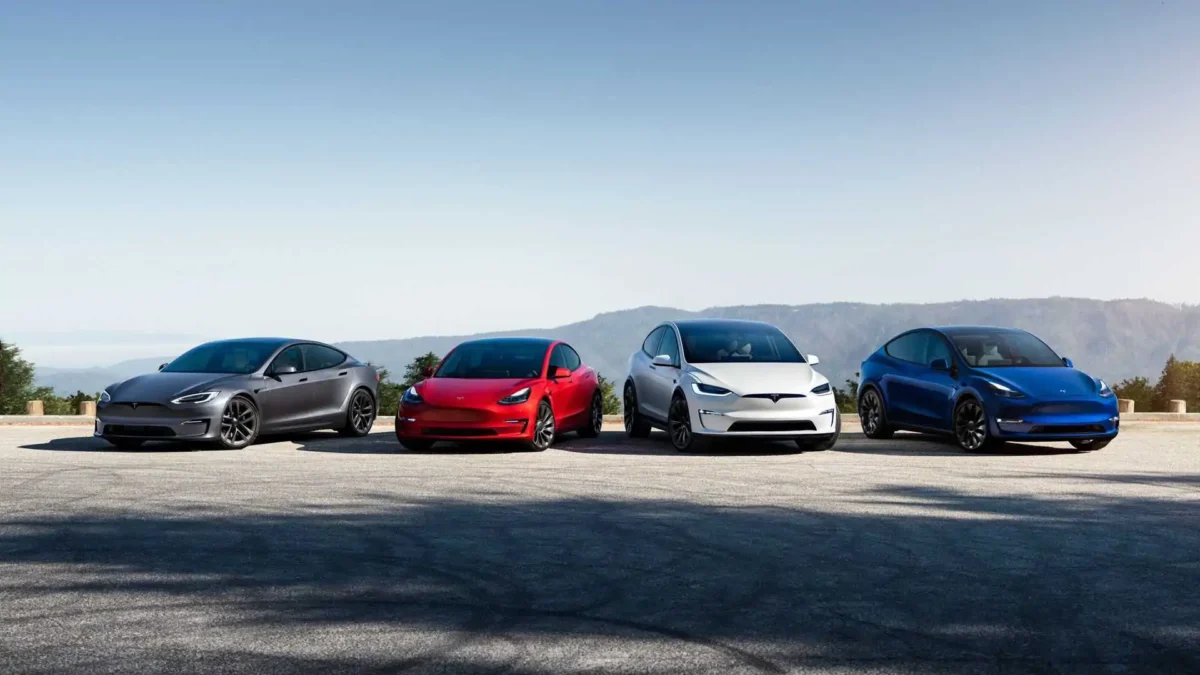
For years, Tesla dominated global EV sales, shaping consumer expectations around range, performance, and charging ecosystems. However, growing pressure from Chinese manufacturers and changing demand patterns have reshaped the competitive landscape.
Why BYD pulled ahead
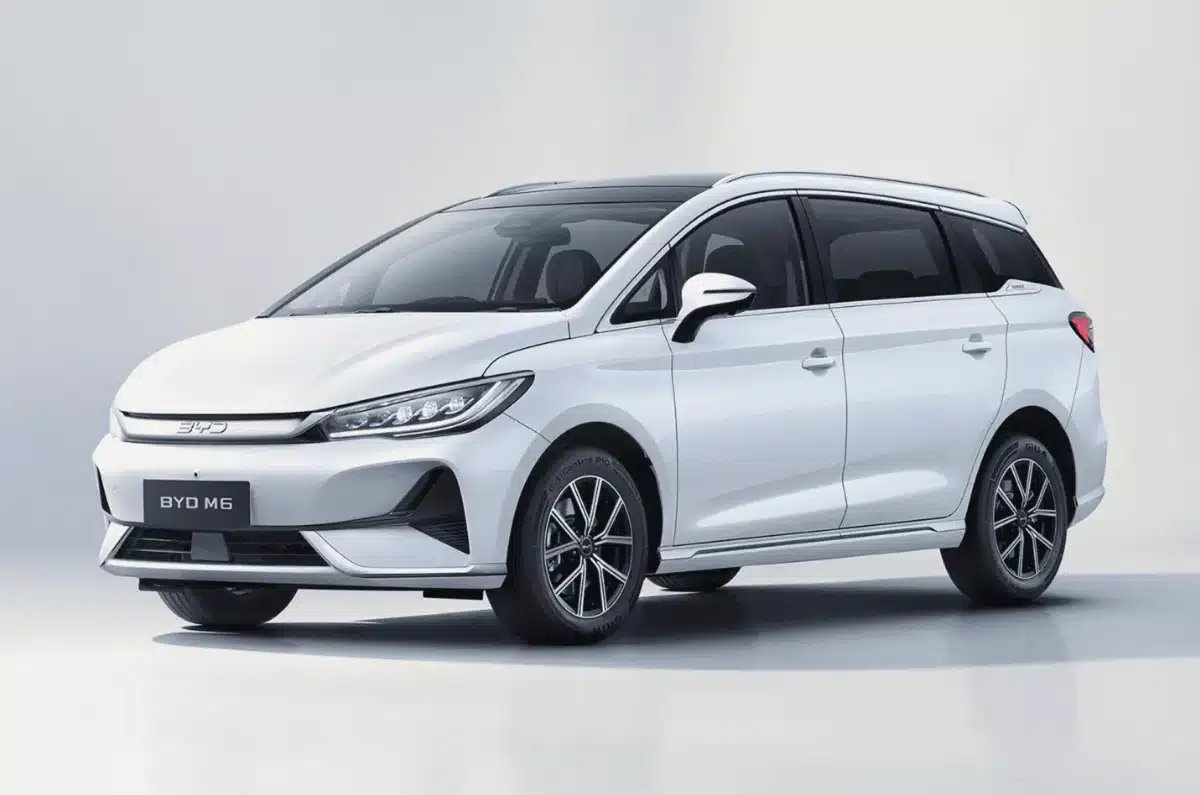
BYD’s rise has been driven by a broader and more diversified product portfolio, covering affordable electric cars, premium models, and plug-in hybrids. This wide range has allowed the company to appeal to buyers in multiple regions, especially in markets where price sensitivity and everyday usability matter more than long-range performance.
In contrast, Tesla’s lineup remains more focused on fewer global models, making it more vulnerable to regional demand shifts and pricing pressures.
Changing EV buyer priorities
EV buyers are increasingly prioritising:
- Affordable entry pricing
- Practical real-world range
- Local availability and after-sales support
- Faster delivery timelines
As a result, brands offering multiple body styles and price points are gaining ground, particularly in Asia and emerging markets.
Impact on the global EV market
The change in sales leadership highlights how the EV market is moving beyond early adopters into a more competitive, mass-market phase. Established automakers and new entrants are accelerating product launches, expanding manufacturing capacity, and investing heavily in battery technology to remain competitive.
This intensifying competition is also expected to:
- Put pressure on EV pricing
- Speed up innovation cycles
- Improve feature offerings across segments
What this means for buyers
For consumers, the shift is largely positive. Greater competition means more choice, better value, and faster improvements in technology. Buyers in 2026 will have access to a wider range of electric vehicles across budgets and use cases than ever before.
The road ahead
As automakers prepare for a packed launch calendar in 2026, the EV market is set to become even more crowded. While Tesla remains a major global player, BYD’s rise signals that EV leadership is no longer dominated by a single brand.
The coming year will likely define how quickly electric vehicles transition from a growing alternative to the mainstream choice for global car buyers.
