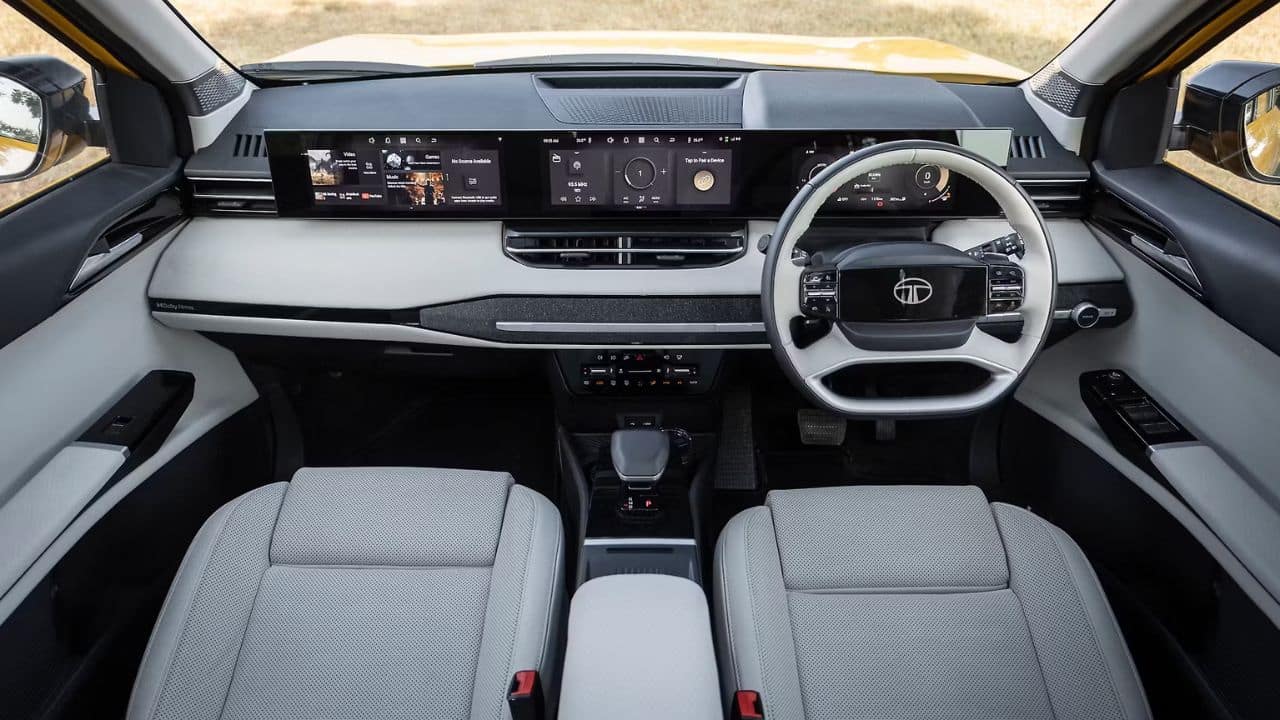

The Tata Sierra EV runs on Tata’s iRA.ev connected platform, which bundles more than 70 features into a single smartphone app, covers remote vehicle control, and pushes over-the-air software updates without needing a service centre visit. It’s built on the Acti.EV+ electric architecture, not the same t.idal 2.0 system used in the petrol Sierra, so while the two share the Sierra name and a lot of styling cues, their underlying connected software stacks aren’t identical.
What Is iRA.ev, Exactly?
iRA stands for Intelligent Real-time Assist, Tata’s umbrella name for its connected car platform across both combustion and electric models. iRA.ev is the EV-specific version running on the Sierra EV, TATA’s newer Nexon EV, and other electric models in the lineup, tuned specifically for things a petrol car’s connected app doesn’t need to worry about, like charge status, range prediction, and locating a charging point.
On the Sierra EV, iRA.ev runs over a 5G-enabled connection and bundles remote lock and unlock, charge scheduling and monitoring, trip planning, vehicle location tracking, and OTA update delivery into one app. Tata is currently bundling four years of complimentary iRA.ev subscription with the Sierra EV at purchase, after which it becomes a paid renewal, similar to how most manufacturer connected-car subscriptions work once the introductory period lapses.
The EV Route Planner Is the Feature That Actually Matters Day to Day
Buried among the app’s 70-plus features, the one genuinely useful for regular EV ownership is the Intelligent EV Route Planner, integrated directly into Android Auto. Tata is marketing it as a first for any vehicle sold in India. It predicts what percentage of battery you’ll have left on arrival at your destination, suggests charging stops along the route if needed, and estimates how long each stop will take based on the charger type available there.
🚀 Join Our Tech Community!
Get the latest news, updates, and tech trends delivered straight to your phone. Never miss an update!
This solves a genuine anxiety point for EV owners on longer trips, where guessing whether you’ll make it to the next fast charger without carefully checking a separate app is one of the more stressful parts of long-distance EV travel in India. Having that calculation done automatically and surfaced directly on the navigation screen, rather than requiring a manual mental math exercise, is a real quality-of-life improvement, not just a marketing checkbox.
How OTA Updates Actually Work on the Sierra EV
Over-the-air updates let Tata push software fixes and feature improvements to the Sierra EV remotely, the same way a smartphone updates its operating system, without the owner needing to book a service appointment just for a software patch. Tata Motors has deployed Excelfore’s eSync platform, running on AWS IoT Core with SOVD-based diagnostics, to handle this update and remote diagnostics pipeline for the new Sierra lineup.
In practice, this means things like infotainment bug fixes, range calculation accuracy improvements, and even new feature rollouts can arrive as a background download rather than requiring a physical visit. It also means Tata can push remote diagnostic checks to flag a developing issue before it becomes a breakdown, at least for the systems covered by the OTA framework.
Other Connected Features Worth Knowing About
Beyond the route planner and OTA updates, the iRA.ev feature set on the Sierra EV includes a handful of genuinely practical additions and a longer tail of smaller conveniences:
- DrivePay, which enables in-car UPI payments directly from the vehicle’s screen, useful for paying at public charging stations or tolls without pulling out a phone.
- Digi Access, a digital key feature that lets the car be unlocked and started via smartphone, useful if you’ve handed the physical key fob to someone else temporarily.
- Auto Park Assist, Remote Park, and Summon Mode, which handle parking manoeuvres with reduced or no direct driver input, genuinely useful in the tight parking layouts common in Indian residential complexes and malls.
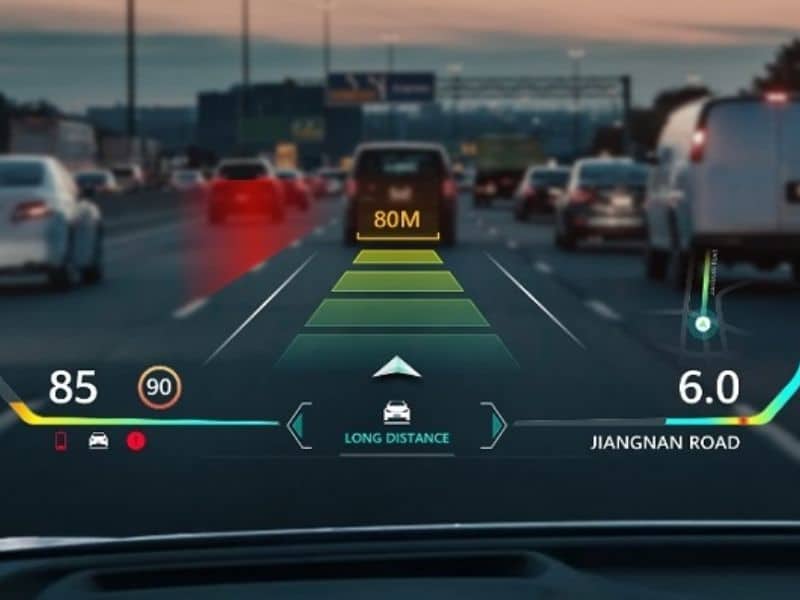
- An AR Head-Up Display that projects navigation and driving information directly onto the windshield, reducing how often the driver needs to glance down at the instrument cluster.
- AirConsole, an in-cabin entertainment feature aimed at passengers during charging stops or waiting periods, which is a nice-to-have rather than something core to the ownership experience.
Where the Software Experience Has Real Limits
Not everything about a heavily connected vehicle is upside, and it’s worth being honest about the trade-offs rather than presenting iRA.ev as flawless. A 5G-dependent feature set means functionality genuinely degrades in areas with weak network coverage, which still describes a meaningful stretch of rural and semi-rural India, exactly the kind of terrain the Sierra EV’s off-road capability is otherwise built for. Remote features like Summon Mode or live charge monitoring simply won’t respond reliably without a decent signal.
The four-year complimentary subscription is generous compared to some rivals, but it’s still a countdown clock, not a permanent inclusion. Owners planning to keep the Sierra EV well past that window should factor in an eventual renewal cost, even though Tata hasn’t published exact post-subscription pricing yet.
There’s also the general reality of any software-heavy vehicle: more features running on connected systems means more surface area for the occasional bug or glitch, and while OTA updates mean fixes can arrive faster than a traditional recall process, it also means the car’s behaviour can genuinely change after an update in ways a purely mechanical vehicle never would.
Frequently Asked Questions
Is iRA.ev the same system used in the petrol Tata Sierra?
No. The petrol Sierra runs on the t.idal 2.0 architecture with its own version of the iRA app, while the Sierra EV uses iRA.ev built on the Acti.EV+ electric platform. They share the Tata iRA branding but aren’t the identical software stack.
How long is the iRA.ev subscription free on the Sierra EV?
Tata Motors is bundling four years of complimentary iRA.ev subscription with the Sierra EV at purchase. Renewal pricing after that period hasn’t been officially published yet.
Does the Tata Sierra EV support automatic software updates?
Yes. The Sierra EV receives over-the-air software updates through a platform Tata has deployed with Excelfore, allowing infotainment and diagnostic improvements to be delivered remotely without a service centre visit for most updates.
What is the EV Route Planner feature on the Sierra EV?
It’s an Android Auto-integrated tool that predicts remaining battery on arrival, suggests charging stops along a route, and estimates charging time at each stop, aimed at reducing range anxiety on longer drives.