
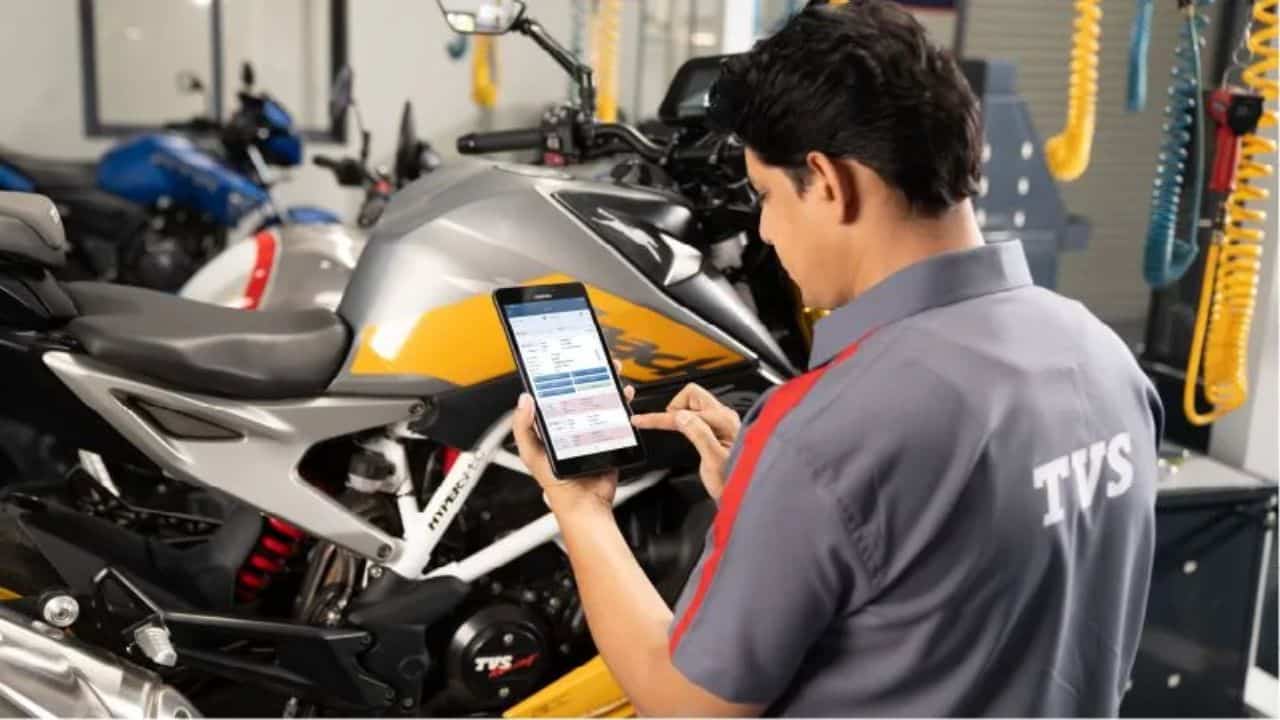

Buy any new motorcycle in India and the salesperson will mention warranty at least three times before you’ve signed the paperwork. Most riders nod along without actually knowing what’s covered, what isn’t, and why the fine print matters more than the headline number on the brochure.
Standard (Manufacturer) Warranty
This is the warranty that comes bundled with the price of the bike, no extra payment involved. It covers manufacturing defects in parts and workmanship for a fixed period or distance, whichever arrives first.
The numbers vary quite a bit by brand and even by model within the same brand:
| Manufacturer | Typical Standard Warranty |
|---|---|
| Royal Enfield (most models) | 3 years or 30,000 km whichever comes first |
| Royal Enfield Interceptor/Continental GT 650 | 3 years or 40,000 km with three years of free roadside assistance |
| TVS motorcycles | 5 years or 60,000 km, whichever is earlier |
| TVS mopeds | 3 years or 36,000 km |
| TVS Apache RR 310 | 5 years or 50,000 km |
| KTM (standard portion) | 2 years or 30,000 km |
Bajaj’s standard coverage has shifted upward over the years and now runs to several years and tens of thousands of kilometers on many models, but the exact figure genuinely differs by model and by any ongoing scheme, so always check the warranty card that comes with your specific bike rather than going by what a friend’s bike carries.
🚀 Join Our Tech Community!
Get the latest news, updates, and tech trends delivered straight to your phone. Never miss an update!
Note that TVS distinguishes a moped (like the XL100) from a motorcycle in its own warranty terms, which is a good reminder that “warranty” isn’t a single blanket figure even within one manufacturer’s lineup. Always check the specific model’s warranty card, not the brand’s general reputation.
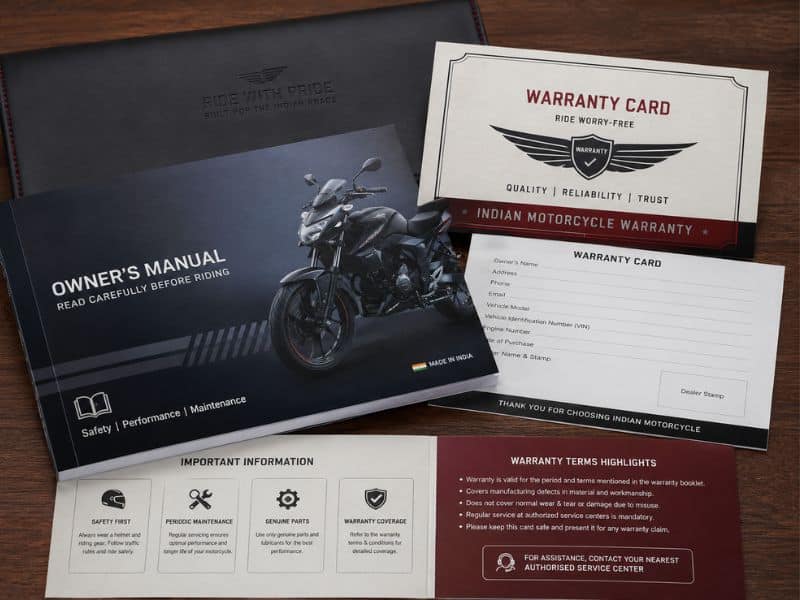
Extended Warranty
Once the standard period lapses, the bike is on its own unless you’ve bought extended cover, usually within a set window after purchase, sometimes up to a few years in.
Extended warranty programs work like insurance you pay for once. Royal Enfield’s Ride Sure packages, for instance, can push total coverage out by several additional years on classic-platform models. Honda runs a similarly structured program on the small-capacity end of its lineup: Extended Warranty Plus covers commuter-focused two-wheelers up to ten years, available from 91 days after purchase through the ninth year, split into staggered packages depending on how old the bike already is. KTM bundles its own extension too, where the standard 2-year, 30,000km cover can be topped up with an additional 3 years and 45,000 km to reach five years total.
The catch with almost every extended warranty scheme: it has to be purchased before the standard warranty runs out. Waiting until year four to think about it usually means you’ve missed the window entirely.
Battery Warranty on Electric Motorcycles and Scooters
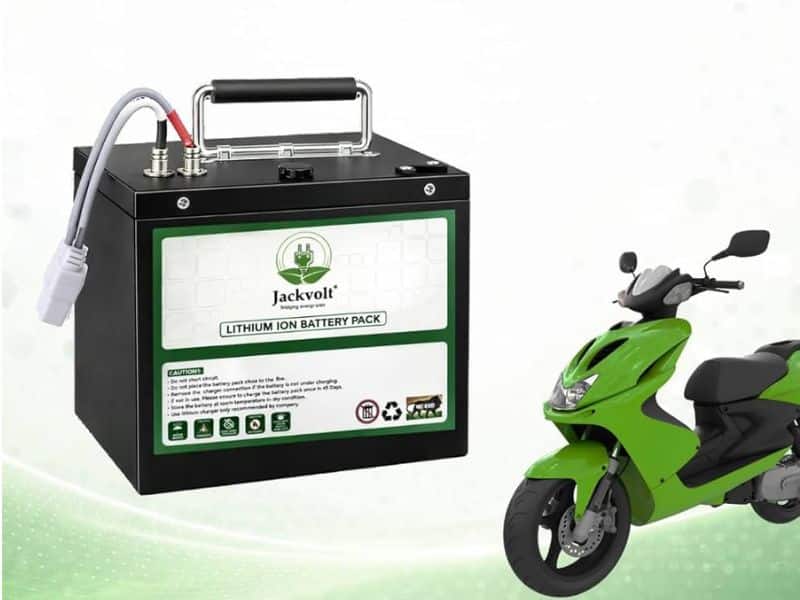
Electric two-wheelers split the warranty into two separate clocks: one for the vehicle body and electronics, another specifically for the battery pack, since the battery is the most expensive component and degrades differently from mechanical parts.
The Bajaj Chetak carries a 3-year or 50,000km warranty covering both the scooter and the battery, with the tyres and auxiliary 12V battery covered separately for 12 and 18 months respectively. TVS runs a comparable structure on the iQube, with 3 years or 50,000 km covering the vehicle, battery, motor, controller, and charger together. Battery warranty terms almost always include a capacity-retention clause too, meaning the manufacturer only guarantees the pack won’t degrade below a stated percentage during the covered period, not that it will perform identically to day one. If you’re shopping electric, read the battery warranty clause separately from the vehicle warranty clause. They’re often printed together but they’re not the same promise.
AMC Is Not a Warranty
Annual Maintenance Contracts, like Royal Enfield’s Silver, Gold, and Platinum tiers or the TVS equivalent, get confused with warranty constantly. They’re not the same thing.
An AMC is a prepaid service package. You pay upfront and get scheduled servicing, labor, and sometimes wear-and-tear parts like brake pads and clutch plates covered for a set period. A warranty, by contrast, only kicks in when something fails due to a manufacturing defect. An AMC covers routine wear; a warranty covers faults that shouldn’t have happened in the first place. Buying an AMC on top of your standard warranty is common practice, especially since brake pads, clutch plates, and cables wear out from normal riding, not manufacturing error, and warranty was never going to cover them anyway.
What Voids a Warranty Claim
Every manufacturer’s fine print circles back to roughly the same exclusions. Normal wear and tear, ageing, deterioration or rusting of parts is excluded, as is damage from unauthorized modifications, accidents, or misuse, and damage from parts sourced outside authorized channels. Skipping a scheduled paid service, or getting one done at a random roadside mechanic instead of an authorized workshop, is one of the fastest ways to lose warranty eligibility without realizing it until you actually need to file a claim.
A few practical habits keep the warranty intact:
- Get every scheduled service done within the recommended window, not just eventually
- Use only manufacturer-authorized service centers, even for minor work
- Insist on genuine spare parts, and keep the invoices
- Avoid aftermarket exhausts, ECU remaps, or suspension swaps if you still want warranty cover on the affected systems
- Keep the owner’s manual and service booklet together; some dealers ask for both at claim time
Does Warranty Transfer to a Second Owner?
The warranty period begins from the date of the retail sales invoice to the first owner and, once started, cannot be paused or restarted. In most cases the remaining warranty does transfer to a second owner if the bike is bought used within the coverage window, though the process usually requires the new owner’s details to be updated in the manufacturer’s system through an authorized dealer. This is worth checking before buying a used motorcycle that’s supposedly “still under warranty,” since an unrecorded ownership change can complicate a claim later.