
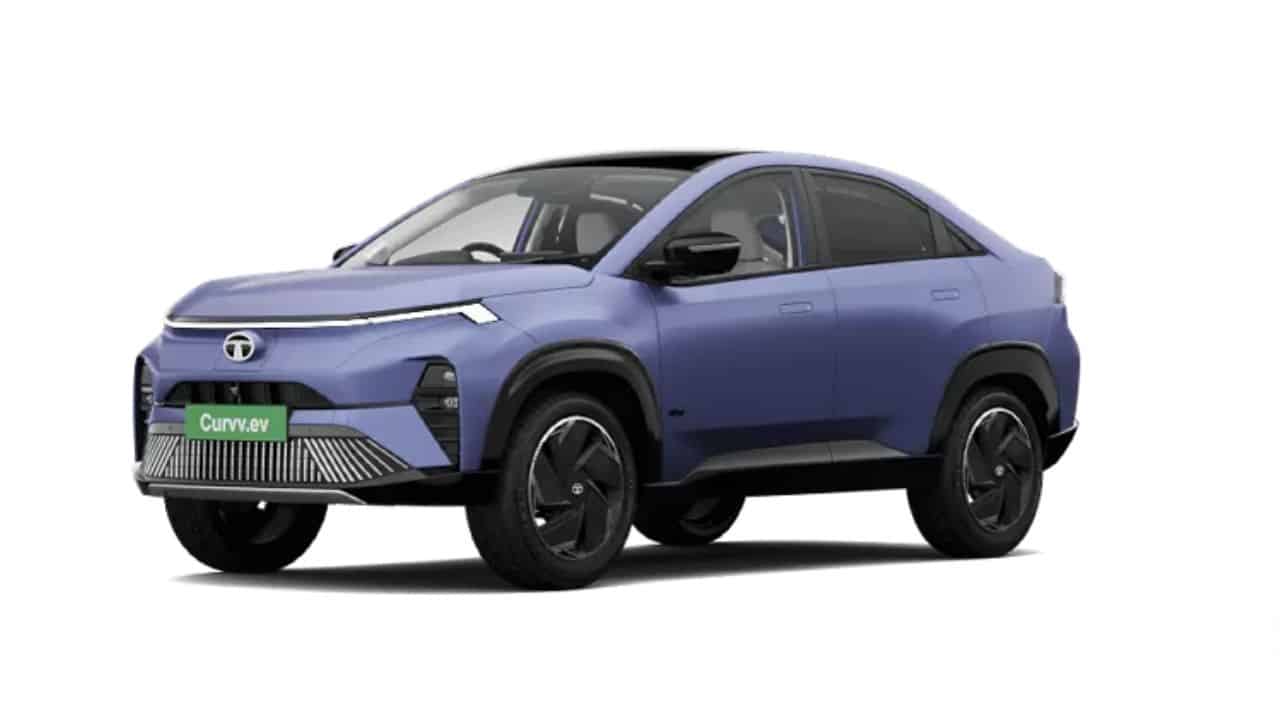

Tata Motors Passenger Vehicles Ltd. (TMPVL) closed July 2026 with the highest year-on-year growth rate among India’s top carmakers this month, and the number behind it is increasingly an electric one. The company reported total passenger vehicle sales of 63,760 units across domestic and international markets, up 59% year-on-year from 40,175 units in July 2025.
Domestic passenger vehicle sales rose to 62,611 units, up 58% from 39,521 units in July 2025. International business sales, though a small share of the total, grew even faster, up 76% year-on-year to 1,149 units from 654 units. It’s Tata’s second straight month above the 60,000-unit mark, following a similarly strong June.
The EV Number That Stands Out
The real story in Tata’s July release is its electric vehicle performance. Sales under the Tata Passenger Electric Mobility subsidiary, covering both domestic and export markets, came in at 15,217 units, up 114% year-on-year from 7,124 units in July 2025, more than doubling and crossing the 15,000-unit mark in a single month for the first time in the company’s history.
That volume means EVs accounted for roughly 23.8% of Tata’s total passenger vehicle sales in July 2026, up from around 18% in the same month last year. Put differently, nearly one in four Tata passenger vehicles sold in July was electric, a penetration rate no other mainstream Indian carmaker is currently matching at this scale. Tata also stated it recorded its highest-ever VAHAN registrations during the month, which is a meaningfully different claim from a wholesale dispatch figure, VAHAN reflects actual government vehicle registrations, so this specific data point suggests the EV surge is backed by genuine retail delivery, not just dealer-level stocking.
🚀 Join Our Tech Community!
Get the latest news, updates, and tech trends delivered straight to your phone. Never miss an update!
Why This Number Matters
Tata’s growth this month lines up with a broader festive-season ramp-up across the industry, and the company’s own release credited strong festive-season activity alongside EV traction as the two drivers behind the jump. The Sierra, relaunched earlier in 2026, has been expanding Tata’s footprint in the midsize SUV segment, while the Harrier and Safari continue to anchor its premium SUV positioning. None of Tata’s July release broke out exact model-wise splits, so it isn’t yet possible to say precisely how much of the EV growth traces to any one nameplate such as the Nexon EV, Curvv EV, or Punch EV. [INSERT model-wise EV breakdown once available.]
Commercial Vehicles: A Separate, Solid Story
Tata Motors’ commercial vehicle business, reported separately from the passenger vehicle division, posted total sales of 39,641 units in July 2026, up 37% year-on-year. Combined with the passenger vehicle numbers, Tata Motors Group’s total dispatch volume for the month works out to roughly 1,03,401 units across both divisions, though the two businesses report through separate corporate structures and shouldn’t be added together as a single headline figure without that distinction being made clear to readers.
Context Against the Industry
Industry-wide coverage of July 2026 placed Tata Motors in second position for domestic passenger vehicle sales, narrowly ahead of Mahindra, behind Maruti Suzuki’s dominant lead, and recorded the highest year-on-year growth rate among the top carmakers for the month. Tata’s 58% domestic PV growth is sharply ahead of Mahindra’s 20% SUV growth and Hyundai’s 23.3% domestic growth for the same period, though it’s worth noting Tata’s July 2025 base (39,521 domestic units) was comparatively softer than Hyundai’s or Maruti’s, which flatters the year-on-year comparison somewhat. Even accounting for that base effect, a 114% EV growth rate is a genuine acceleration, not just an artifact of easy comparisons.
Wholesale vs Retail: What This Figure Represents
As with other OEM disclosures this month, the 63,760-unit passenger vehicle figure is a wholesale/dispatch number, what Tata shipped to dealers and export markets, not directly a retail registration count, with one notable exception: Tata’s own reference to record VAHAN registrations during the month is a retail-side data point that lends some corroboration to the wholesale figure, though the company didn’t disclose the exact VAHAN registration number itself. FADA’s full July retail dataset, once published, will allow a more precise wholesale-versus-retail read across Tata’s full portfolio.
What This Means for Buyers and Dealers
For buyers considering an EV, Tata’s continued volume growth in this segment suggests inventory and variant availability should stay healthy through the following months, though rising demand could also mean less room for negotiation on popular EV variants compared to a year ago. For dealers, the EV mix shift toward roughly a quarter of total volume has real implications for showroom and service infrastructure planning, EV buyers have different servicing needs and financing patterns than ICE buyers, and dealers still weighted toward traditional infrastructure may need to adjust faster than they’d planned.
Frequently Asked Questions
How many vehicles did Tata Motors sell in July 2026?
Tata Motors Passenger Vehicles sold 63,760 units across domestic and international markets in July 2026, up 59% year-on-year from 40,175 units in July 2025. Separately, Tata’s commercial vehicle division sold 39,641 units, up 37% year-on-year.
How many EVs did Tata Motors sell in July 2026?
Tata sold 15,217 electric passenger vehicles in July 2026, up 114% year-on-year from 7,124 units in July 2025, the first time its monthly EV volumes crossed 15,000 units.
What percentage of Tata Motors’ sales were EVs in July 2026?
Electric vehicles accounted for approximately 23.8% of Tata’s total passenger vehicle sales in July 2026, up from around 18% in July 2025.
How did Tata Motors’ July 2026 sales compare to Mahindra’s?
Tata Motors retained second place in domestic passenger vehicle sales for July 2026, narrowly ahead of Mahindra, behind market leader Maruti Suzuki.